
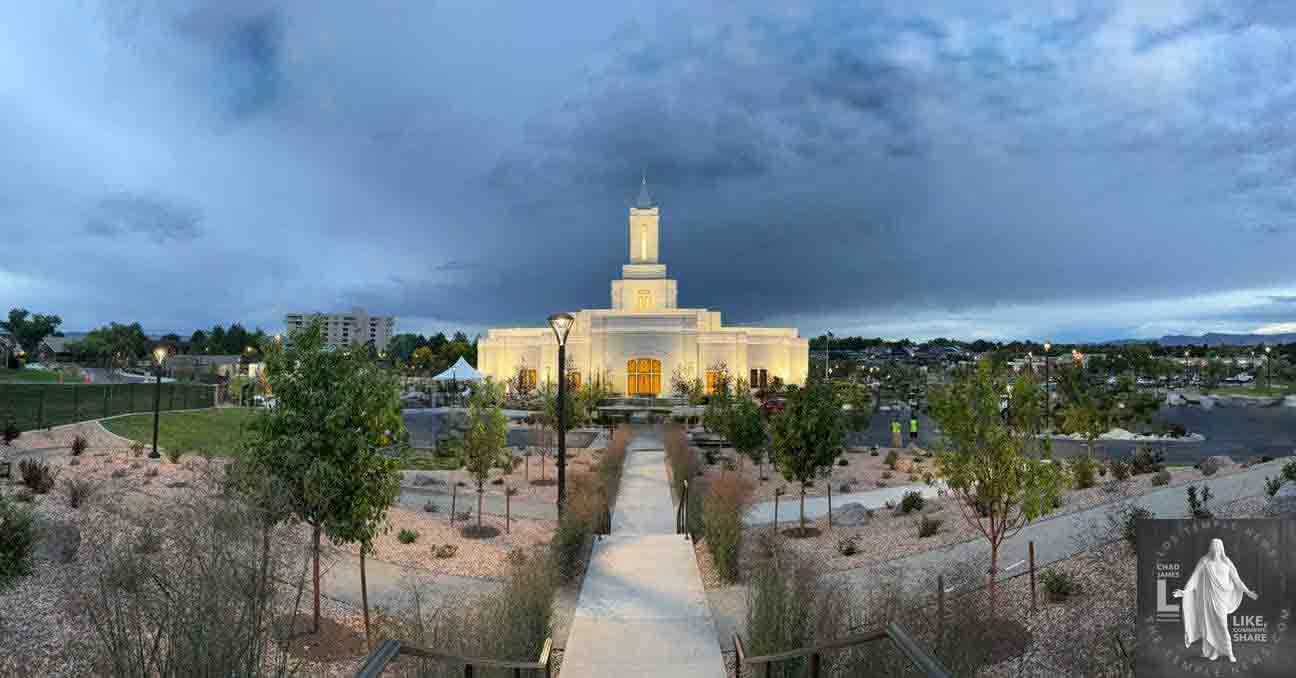
Grand Junction Colorado Temple: A New Landmark of Faith
The Grand Junction Colorado Temple stands as the 210th dedicated temple in operation, enriching the spiritual landscape of the region. Its address is 678 Horizon Dr, Grand Junction, CO 81506. This House of the Lord was announced to the public on April 4, 2021, by the Prophet Russell M. Nelson during the General Conference, representing a significant expansion of sacred spaces for Latter-day Saints.
House of the Lord Grand Junction Colorado Temple by LDS Temple News
Colorado has a rich history with the Church, dating back to the establishment of its first mission in 1896, followed by the formation of the first official congregation a year later in January 1897. At the time the temple was announced, Colorado was home to over 150,000 Latter-day Saints and approximately 310 congregations. This temple is the third in the state, following the Denver Colorado Temple, dedicated in 1986, and the Fort Collins Colorado Temple, dedicated in 2016.
Groundbreaking and Dedication
The groundbreaking and dedication of the temple took place on April 16, 2022. Apostle Chi Hong Sam Wong presided over the event, offering a prayer that expressed gratitude for the Atonement of Jesus Christ and the blessings associated with it. The House of the Lord is constructed on a 6.94-acre lot at the intersection of Horizon Drive and North 12th Street, with an overall size of 29,630 square feet. The temple rises to a height of 118 feet and 8 inches, enclosed by a bronze-finished Ameristar Montage Plus Majestic fence.
Architectural Features
The Grand Junction Colorado Temple features a design that seamlessly integrates with its surrounding high-desert environment. Its exterior is clad in Portuguese Pedras Salgadas granite, providing warmth that complements the rugged terrain and the area’s geographical features. The temple includes a single attached end spire without a Gold-leafed Angel Moroni Statue, offering a unique architectural character.
Interior Design
The interior reflects the natural beauty of Colorado, incorporating a palette inspired by local flora, such as crimson, amber, green, and pale pink, often derived from the claret cup cactus. The flooring consists of Mineo marble, accented with various other marble types, creating depth and mirroring the landscapes of the southwestern canyons.
Art and Craftsmanship
Artistic elements throughout the Grand Junction Colorado Temple are noteworthy. Notable artworks include pieces by Ken Stockton and Wilson Hurley that capture the dramatic landscapes of the American West. The art glass within the temple creatively combines the crimson color of the claret cup with rich amber, green, and pale pink shades. Custom-designed carpets and rugs further enrich the temple’s interior, showcasing organic patterns inspired by the regional environment and offering visual warmth.
Facilities Within the Temple
This House of the Lord includes two instruction rooms, two sealing rooms, and a baptistry, providing important spaces for sacred functions. The baptismal font features a unique railing design, reminiscent of the two rivers converging at Grand Junction, with artistic elements reflecting local botanical features. Millwork crafted from African sapele hardwood incorporates a peach blossom design, paying homage to the region’s orchards.
Crystal Lighting
Crystal chandeliers and fixtures, finished in antique brass, illuminate various rooms within the temple. These design choices create an atmosphere of elegance and reverence in areas such as the bride’s room and celestial room.
Conclusion
The Grand Junction Colorado Temple represents not only a place of spiritual significance but also serves as a remarkable achievement in architecture and community identity. After its dedication, it became the westernmost temple in Colorado, situated less than 30 miles from Utah’s border. This new House of the Lord is poised to enhance the spiritual lives of many, affirming the Church’s commitment to building sacred spaces.