
Kirtland Temple LDS Temple News
The Kirtland Temple, standing prominently in Kirtland, Ohio, is rich in history and significance. Situated on a bluff overlooking the picturesque Chagrin Valley, this remarkable edifice was instructed to be built by the Lord through revelations in late 1832. The address, 9020 Chillicothe Road, has become synonymous with early religious fervor and the development of a new faith.
Historical Background
The inception of the Kirtland Temple’s construction began with a direct command from the Lord, as documented in Doctrine and Covenants 88:119. The formal announcement of this divine instruction occurred on December 27, 1832, setting in motion a series of events that would shape the religious landscape of early Latter Day Saints.
By June 1, 1833, the Lord chastised the early followers for their delay in building the house designated for His glory. Construction officially commenced on June 6, 1833, amid challenges that included the daunting task of protecting the site from mobs and vandals, which necessitated night watch efforts.
Key Milestones
- Cornerstone Laying: On July 23, 1833, key leaders such as the Prophet Joseph Smith and Apostles Sidney Rigdon and Frederick G. Williams officiated at the cornerstone-laying event.
- Community Efforts: To expedite the construction, church members built a sawmill along Stoney Brook during the fall of 1833.
- Dedication: The Kirtland Temple was dedicated on March 27, 1836, with an attendance of approximately 1,000 people. Joseph Smith recounted extraordinary occurrences, including heavenly manifestations, during the lengthy dedication service.
Divine Manifestations
On Easter Sunday, April 3, 1836, significant religious experiences were reported when the Lord appeared to both Joseph Smith and Oliver Cowdery inside the Kirtland Temple, affirming its divine purpose. This encounter included a restoration of priesthood keys through historic figures such as Moses and Elijah. Although some initial ordinances took place within these walls, the full endowment would come later, highlighting the temple’s evolving role in the community’s spiritual journey.
Transition Over Time
The years following the dedication saw a substantial shift, as many early followers moved away from Kirtland, leading to a variety of uses for the temple. It remained a venue for private reflection and communal activities before being leased as a public school for several years.
In 1880, the Kirtland Temple came under the stewardship of the Community of Christ, formerly known as the Reorganized Church of Jesus Christ of Latter Day Saints. They worked diligently to restore the building to its original condition, maintaining this oversight for a remarkable 144 years.
As of March 5, 2024, the stewardship transitioned once more, as ownership moved to The Church of Jesus Christ of Latter-day Saints. Preparations for later public tours began with a temporary closure to ensure the temple was ready for its new chapter.
Architectural Significance
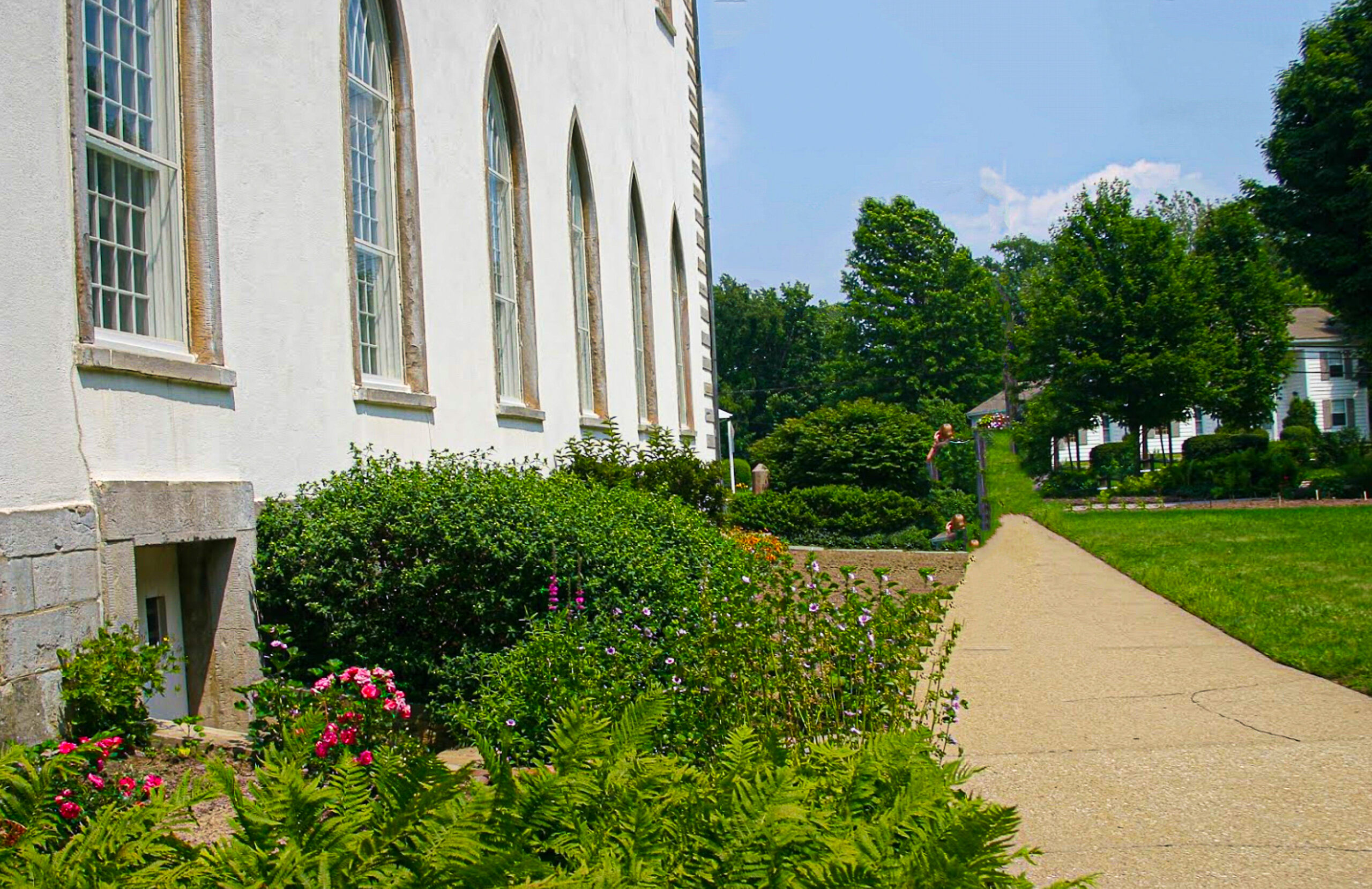
Spanning 15,000 square feet and rising to a height of 110.5 feet, the Kirtland Temple is notable for its combination of architectural features that reflect Federal, Greek Revival, and Gothic Revival styles. The exterior finish uses sandstone stuccoed with plaster, and the original architectural finial is preserved for historical appreciation.
Interior Details
Inside, the Kirtland Temple does not feature traditional art paintings or murals, instead opting for an elegantly simple architectural design. The two large assembly rooms contain unique two-way pulpits and movable pews, complemented by two prominent light fixtures designed to enhance natural illumination, relying solely on historically authentic oil lamps and windows.
The exterior doors, framed by distinctive stone quoins and recessed fanlights, embody a vibrant olive green, highlighting the craftsmanship of early Latter Day Saint woodworkers.
Conclusion
The Kirtland Temple is not only a physical embodiment of faith but also a testament to the resilience and dedication of its early proponents. As it transitions into a new era, it continues to hold a vital space in the hearts and minds of those who engage with its storied history, ensuring that the narrative of faith and devotion remains alive for future generations.