
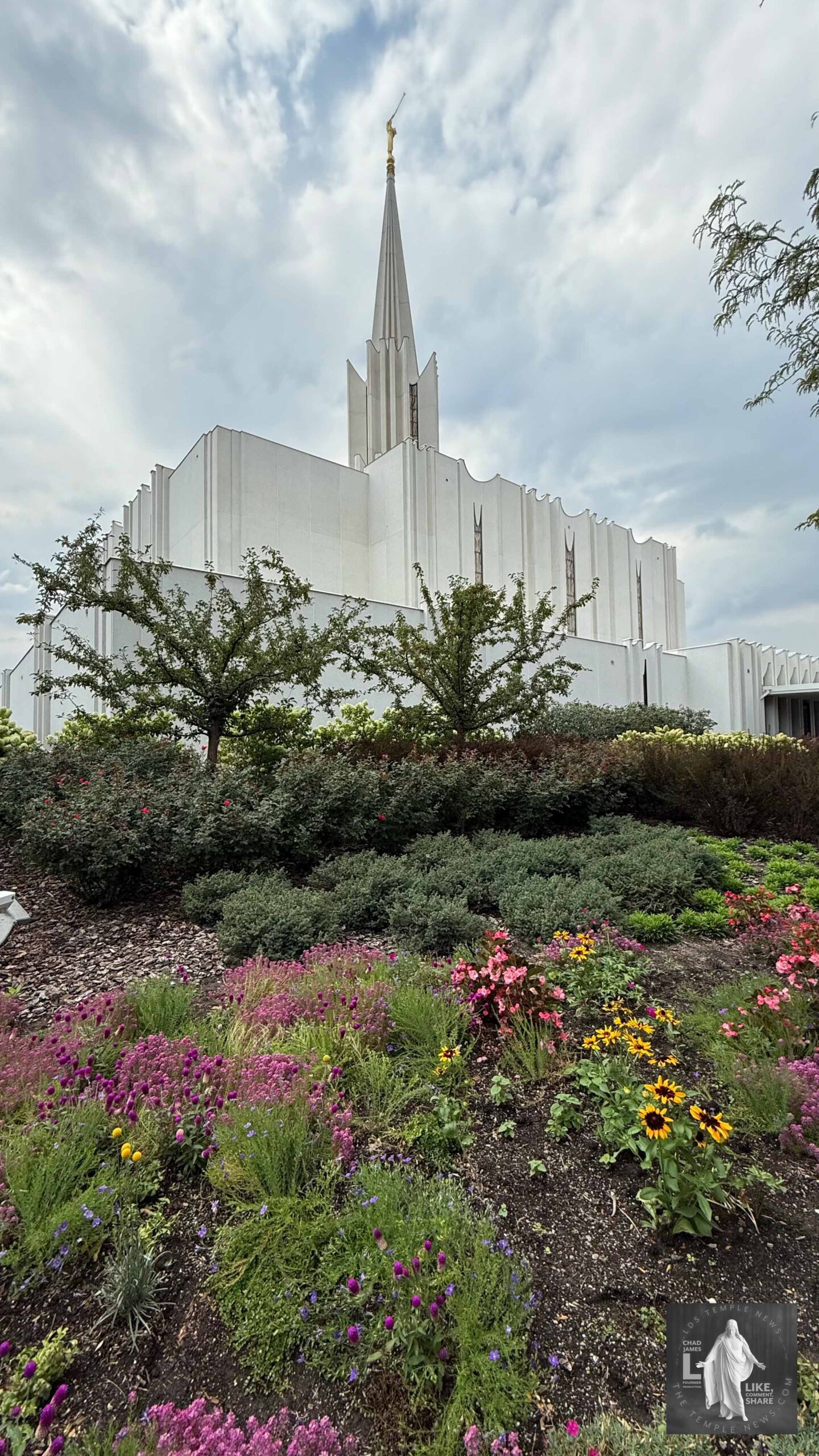
Jordan River Utah Temple: A Glimpse into Sacred Space
The Jordan River Utah Temple stands as the 20th dedicated temple in operation, offering a serene atmosphere for reflection and learning. Spanning 148,236 square feet, this House of the Lord is notable for its unique architectural elements and extensive facilities.
LDS Temple News Jordan River Utah Temple
The journey of the Jordan River Utah Temple began with its announcement on February 3, 1978. The groundbreaking and dedication of the site took place on June 9, 1979, under the leadership of Prophet Spencer W. Kimball. Following nearly two years of anticipation, the public open house ran from September 29, 1981, through October 31, 1981. It was officially dedicated from November 16 to November 20, 1981, by Apostle Marion G. Romney.
In a significant moment for the House of the Lord, a second public open house occurred from March 17, 2018, to April 28, 2018. Subsequently, the temple underwent an extensive renovation that concluded with its rededication on May 20, 2018, by Apostle Henry B. Eyring.
Architectural Features
Situated on 15 acres, the Temple features an exterior made of cast stone with white marble chips, while the central spire holds a gold-leafed painted Angel Moroni statue. The tower is constructed with a lightweight composite material known as cemlite, contributing to its striking design without compromising structural integrity. At a height of 219 feet and an elevation of 4,438 feet, the House of the Lord offers a commanding presence in its surrounding landscape.
Interior Layout
Inside, the Jordan River Utah Temple includes:
- Six instruction rooms
- Sixteen sealing rooms
- One baptistry
This layout is particularly noteworthy, as it places the temple among only four others with a similar configuration.
Unique Aspects
The Jordan River Utah Temple holds a special status in the community. Originally named the Jordan River Temple, it underwent a name change in 1999. This House of the Lord shares a unique distinction of having one of only five angel Moroni statues holding the gold plates, alongside those in Los Angeles, Washington D.C., Seattle, and Mexico City.
Moreover, the financial aspects of its construction and maintenance were supported by generous donations from local members, which underscores the deep commitment of the community in creating and sustaining this sacred space.
Renovation Highlights
The extensive renovation that began on February 15, 2016, maintained the overall floor plan while refreshing various areas. Notable updates included:
- Remodeling of the Celestial Room and bride’s rooms
- Addition of a separate entrance to the baptistry
- Fresh furnishings, finishes, artwork, and murals
- Replacement of escalators with staircases
- Upgraded plumbing, heating, and air conditioning systems
- Roof replacement and seismic upgrades
- Enhanced landscaping for added beauty
This careful approach to renovations has ensured that the Jordan River Utah Temple continues to serve as a revered House of the Lord, embodying both history and a commitment to modernity.
In summary, the Jordan River Utah Temple is not just a prominent feature of South Jordan, Utah, but also a testament to the enduring spirit and dedication of those who support it. Its history, architectural beauty, and thoughtful renovations make it a significant landmark in the region.