
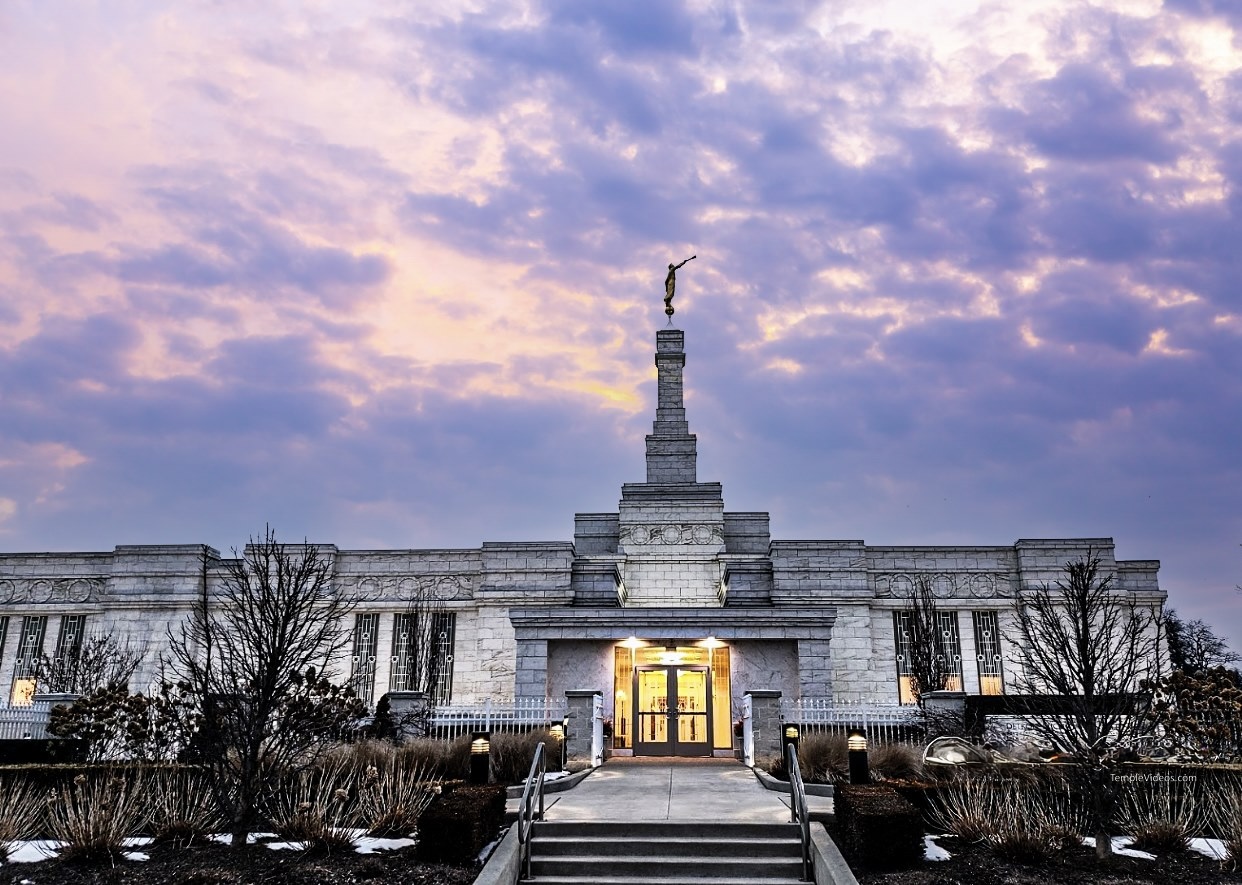
Discovering the Detroit Michigan Temple: A Sacred Landmark
Nestled in the serene surroundings of Bloomfield Hills, Michigan, the Detroit Michigan Temple stands not only as a place of Temple work but as a symbol of faith, community, and architectural beauty. Established as the 63rd dedicated temple in The Church of Jesus Christ of Latter-day Saints, this magnificent Temple has a rich history and deep significance.
Historical Timeline
The journey of the Detroit Michigan Temple began on August 10, 1998, when its construction was officially announced. The vision for this sacred space transformed into reality on October 10, 1998, during its groundbreaking and site dedication, which was conducted by Elder Jay E. Jensen.
Following several months of hard work and dedication, the Detroit Michigian Temple opened its doors to the public for an open house from October 8 to October 16, 1999, allowing community members and visitors to explore its beautiful interior and learn about its purpose. The culmination of this significant project came with its dedication on October 23-24, 1999, presided over by then-Prophet Gordon B. Hinckley.
Architectural Beauty
The Detroit Michigan Temple is not only functional but also a stunning example of modern religious architecture. The Detroit Temple spans 10,700 square feet and is situated on a 6.34-acre site at an elevation of 796 feet. Its exterior is beautifully adorned with imperial Danby white marble, meticulously quarried in Vermont, giving the temple a timeless elegance.
One of the most distinguishing features of the Temple is its single attached spire, topped with a gold-leafed Angel Moroni statue, a common symbol in Latter-day Saint temples representing the angel who appeared to Joseph Smith.
Intricate Design and Facilities
Inside, the Detroit Michigan Temple offers a sacred environment designed for various religious ordinances. It houses:
- Two instruction rooms
- Two sealing rooms where marriages and family sealings are performed, emphasizing the importance of eternal family connections.
- One baptistry, allowing members to perform baptisms for the deceased in accordance with their beliefs about salvation.
Community Impact
As the first temple built in Michigan, the Detroit Michigan Temple has had a transformative impact on the local community. It serves as a gathering place for worship and celebration for countless members of The Church of Jesus Christ of Latter-day Saints and is a beacon of hope and faith for those within the region.
In addition to its religious functions, the temple adds to the cultural landscape of Michigan, emphasizing the values of service, community, and spirituality.
Conclusion
The Detroit Michigan Temple is more than a Temple; it is a sanctuary that holds the faith and aspirations of many. With its rich history, stunning architecture, and deep spiritual significance, it continues to inspire those who visit and serve within its walls. Whether you’re a member of the church or simply interested in learning more about this remarkable Temple, the Detroit Michigan Temple is worth a visit, offering a glimpse into the spiritual heart of Michigan.