
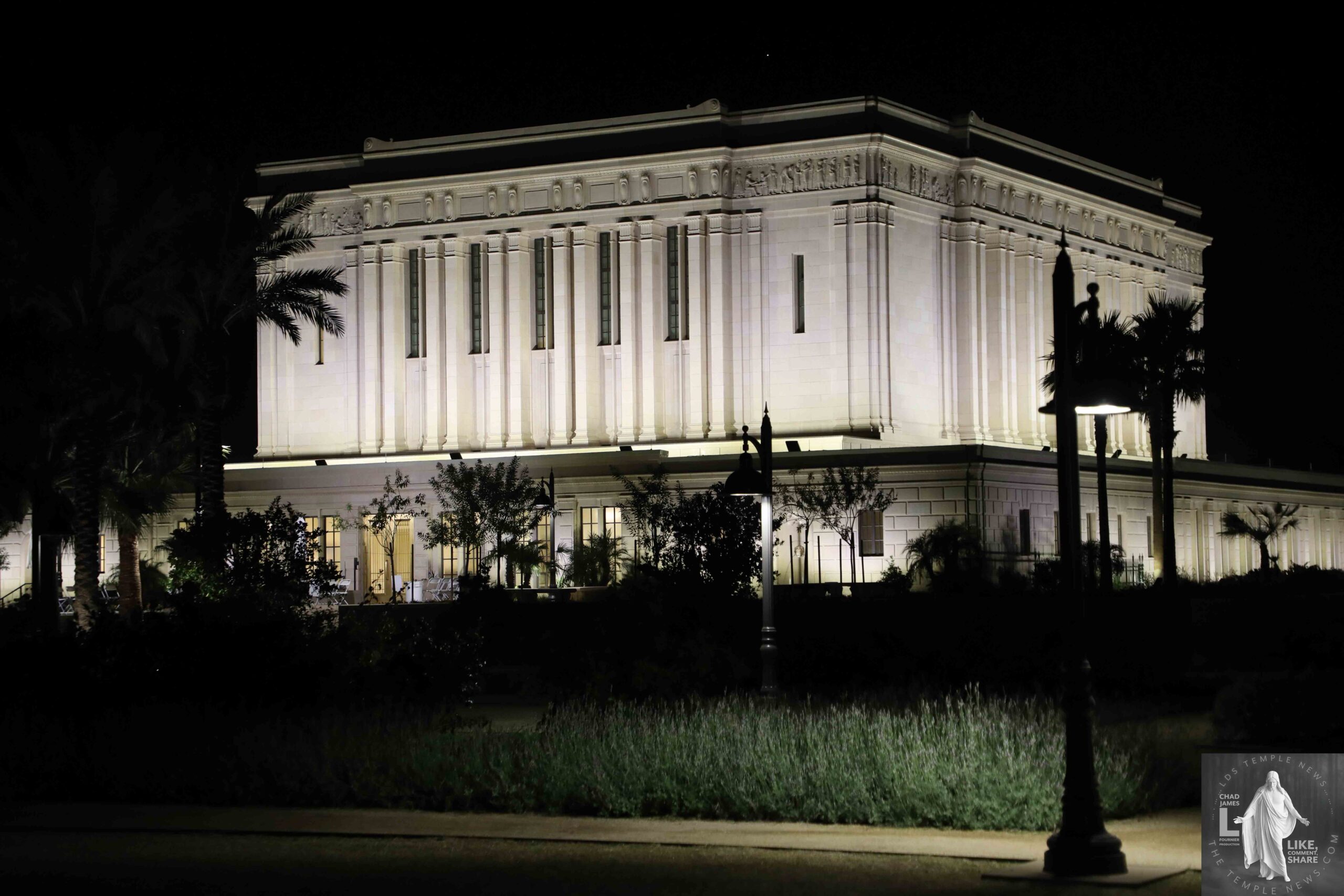
The Mesa Arizona Temple was announced on October 3, 2019, marking an important development for the community. The site was dedicated on November 28, 1921, by Heber J. Grant, who also performed the groundbreaking on April 25, 1922. The temple was dedicated from October 23 to 26, 1927, demonstrating a commitment to the growth and spiritual needs of the area. A public open house was held from March 19 to April 3, 1975, prior to its official dedication on April 15 and 16, 1975, by Spencer W. Kimball. More recently, a public open house from October 16 to November 20, 2021, led to a rededication on December 12, 2021, by Dallin H. Oaks, showcasing ongoing engagement with the community.
Architecturally, the Mesa Arizona Temple features a flat roof with sculpted friezes, which contribute to its aesthetic appeal. It includes four instruction rooms, six sealing rooms, and one baptistery, encompassing a total of 75,000 square feet. Standing at 53 feet tall and situated at an elevation of 1,240 feet, the temple is built on 20 acres and utilizes a reinforced concrete structure faced with glazed, eggshell-colored terracotta tiles.
The temple’s location east of the original Mesa Townsite anchors a historic district that preserves its residential character. The meticulously maintained grounds feature a public visitors’ center, a cactus garden, and reflection pools, all designed to enhance the visitor experience. Each Easter season, the temple hosts “Jesus the Christ,” the largest outdoor Easter pageant in the world, drawing thousands to the site. During Christmas, the grounds are transformed into a stunning Nativity display illuminated by extensive lighting, fostering community engagement and celebration.
The Mesa Arizona Temple holds historical significance as the first temple built in Arizona and the first to present the endowment in a language other than English. Initially named the Arizona Temple, it introduced live acting for the endowment presentation, emphasizing its innovative approach to worship.
The carved friezes adorning the temple depict the fulfillment of Isaiah’s prophecy regarding the gathering of the Lord’s people, adding a meaningful artistic dimension to the structure. In February 1974, the temple underwent substantial renovations, which included transforming the Creation, Garden, and World Rooms for single-room film presentations of the endowment. The Terrestrial Room was converted into a veil room. During this renovation, deteriorating burlap murals were removed, with salvaged pieces sent for preservation. An additional 17,000 square feet were added, improving dressing rooms and increasing the number of sealing rooms, which enhances the temple’s ability to serve its patrons. In 1980, a fourth ordinance room was created to facilitate more frequent endowment sessions, further demonstrating adaptability to community needs. In 1991, sections of the original murals were restored, connecting the temple to its historical roots.
On May 19, 2018, the temple closed for a comprehensive three-and-a-half-year renovation aimed at modernizing its facilities while preserving its historical character. This project included new roofing and drainage systems, mechanical, electrical, plumbing, and HVAC upgrades, and interior improvements. The gardens were redesigned to enhance the visitor experience, culminating in the construction of a new visitors’ center and Family Discovery Center, which collectively enrich the overall engagement of the community with the temple.