
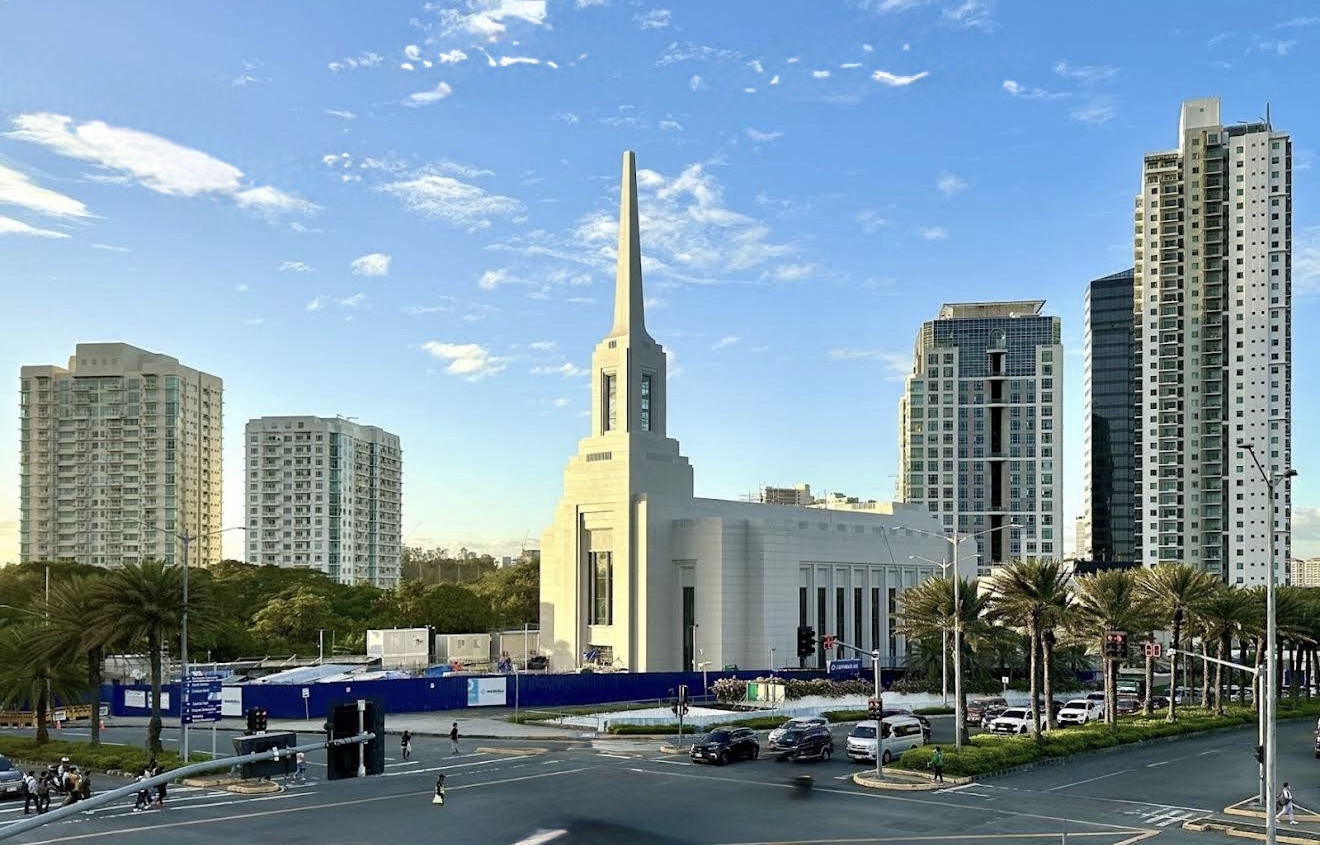
The Alabang Philippines Temple: A Landmark of Faith and Community
The Alabang Philippines Temple, a significant new addition to the spiritual landscape of the Philippines, is poised to be dedicated on January 18, 2026, by Apostle David Bednar. This temple will serve as a sacred space for members of the Church of Jesus Christ of Latter-day Saints and represents a culmination of decades of growth and dedication within the region.
Historical Context
The Church of Jesus Christ of Latter-day Saints has a relatively brief but impactful history in the Philippines. The journey began in 1946 when Aniceta Fajardo became the first member to be baptized, marking the onset of the Church’s growth in the country. Following the arrival of the first missionaries in 1961, the Church has expanded significantly, with membership currently exceeding 900,000 and projections indicating that this number will surpass one million within the next few years. The first temple in the Philippines, dedicated in Manila in 1984, laid the groundwork for further temple development, leading to the establishment of the Alabang Temple.
Architectural Design and Features
The Alabang Philippines Temple is strategically located on 2.62 acres and features an architectural design that is both functional and aesthetically pleasing. The exterior will be clad in White Oro Crystal granite sourced from China, symbolizing purity and spiritual aspiration. The building’s height will reach 175 feet, culminating in a distinctive spire that serves as a visual representation of the community’s faith.
With a total area of 35,998 square feet, the temple is classified as a small temple according to the Church’s size standards. This classification does not diminish its significance; rather, it reflects a thoughtfully designed interior and exterior that prioritizes worship and community connection. The temple will include sacred spaces for performing ordinances, family gatherings, and quiet reflection.
Interior and Landscaping
The interior of the Alabang Philippines Temple has been meticulously planned to create a serene and welcoming environment. Features will include stunning art glass windows that depict the white jasmine flower, the national flower of the Philippines. This not only enhances the aesthetic quality of the temple but also connects the architecture to the rich cultural heritage of the country.
The color palette throughout the temple will encompass soft hues of cream, amber, and muted greens, promoting a peaceful and harmonious atmosphere. The furnishings will be selected with care, ensuring that they not only serve functional purposes but also reflect the artistic craftsmanship of the region. For instance, the rugs throughout the temple will be made of high-quality wool, providing both comfort and elegance.
The landscaping surrounding the temple is designed with equal thoughtfulness. It will feature 90 carefully positioned trees, including a variety of native species such as Manila palms and royal palms. In addition to trees, the grounds will be adorned with vibrant flowering perennial plants, creating a visually appealing and tranquil environment for reflection.
Construction and Craftsmanship
The construction of the Alabang Philippines Temple reflects a commitment to excellence and attention to detail. Various materials, including locally sourced and imported items, have been integrated into the building process. The railed designs in the baptistry will feature powder-coated steel, while the ceilings will be finished in gypsum board with antique-toned paint, both of which enhance the temple’s overall acoustics and aesthetic appeal.
Special emphasis has been placed on decorative lighting, which will utilize crystal, acrylic, and brass elements to create an inviting atmosphere. The exterior doors, crafted from African mahogany, showcase intricate designs that echo the beauty of the white jasmine flower, further emphasizing the connection to the local culture.
Conclusion
The Alabang Philippines Temple is not merely a physical structure; it signifies a new chapter in the spiritual lives of many members of the Church and the broader community. This temple will serve as a sanctuary for worship and a gathering place for families, fostering an environment of faith, hope, and connection.
As the dedication date approaches, anticipation continues to grow among members of the Church and the community at large. This temple will stand as a testament to the commitment of its members and the enduring power of faith, providing a sacred space that will enrich lives and strengthen family ties for generations to come. The dedication on January 18, 2026, will not only commemorate the completion of a significant landmark but will also mark a pivotal moment in the spiritual journey of countless individuals.