
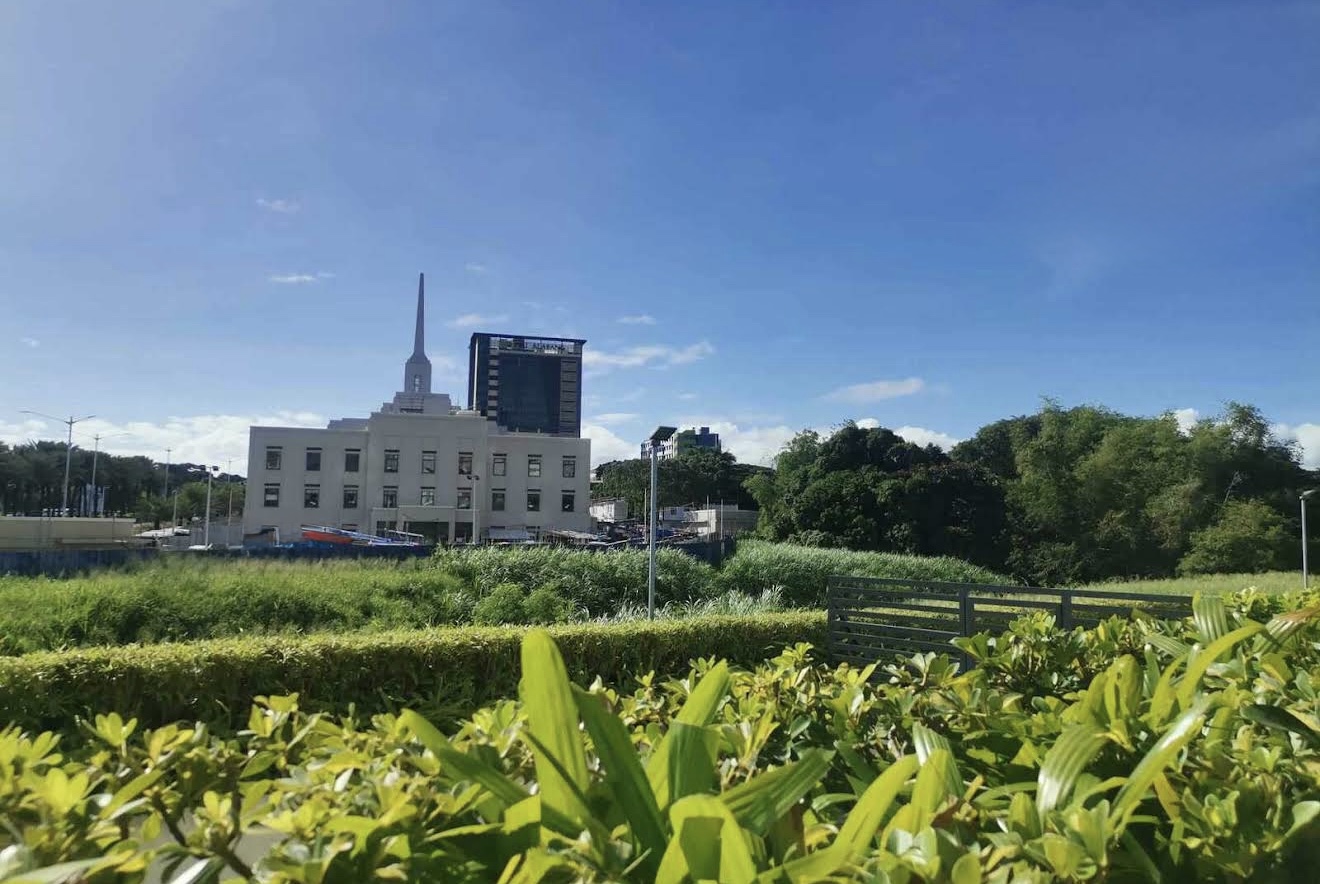
The Alabang Philippines Temple: A Significant Addition to the Spiritual Landscape
The anticipated Alabang Philippines Temple is set to be dedicated on January 18, 2026, by Apostle David Bednar, marking a pivotal moment in the history of the Church of Jesus Christ of Latter-day Saints in the Philippines. Located in Alabang, Muntinlupa City, this temple stands as a testament to the growth of the Church in the country, which has expanded from its inception to a membership of over 900,000 individuals.
Historical Context
The journey of the Church in the Philippines began with the baptism of Aniceta Fajardo in 1946, making her the first member in the nation. Since that time, the Church has experienced significant growth and development. The arrival of the first missionaries in 1961 opened up opportunities for local engagement, and the dedication of the first temple in Manila in 1984 established a permanent spiritual landmark in the region.
Architectural Design and Features
The Alabang Philippines Temple will occupy a sprawling 2.62 acres, featuring an architectural design that harmonizes with both its cultural context and spiritual significance. The temple’s exterior will be clad in White Oro Crystal granite sourced from China, offering a striking visual presence with a height of 175 feet and an elegant single attached spire.
With a total area of 35,998 square feet, the temple is considered small by the Church’s classification, which categorizes temples based on square footage. Despite its size designation, the temple will embody an expansive spirit of community and devotion. The design focuses on creating an environment that fosters peace and reverence, vital for worship activities and personal reflection.
Landscaping and Environmental Considerations
The landscape surrounding the temple has been meticulously planned to enhance the spiritual ambiance. It will feature 90 carefully chosen trees, including varieties such as Manila palm and royal palm, all contributing to a serene environment. In addition, various flowering perennial plants will be planted, enhancing the overall aesthetic and promoting a tranquil atmosphere conducive to meditation and reflection.
Interior Design Elements
Upon entering the Alabang Philippines Temple, visitors will encounter a thoughtfully designed interior that emphasizes beauty and tranquility. Art glass windows will showcase the delicate white jasmine flower, the national flower of the Philippines, allowing natural light to filter through and create a warm and inviting atmosphere. The color palette, featuring tones of cream, amber, white, green, and pink, will contribute to a calming environment.
Key interior features include a baptistry with powder-coated steel railings, gracefully designed ceilings with gypsum board painted in antique tones to optimize acoustics, and decorative lighting made from crystal, acrylic, and brass, ensuring that the temple is both functional and inspiring.
Commitment to Quality and Craftsmanship
Attention to craftsmanship is evident throughout the Alabang Philippines Temple. The use of high-quality wool rugs, locally sourced mirrors, and mahogany doors from Africa with intricate designs will exemplify the dedication to elegance and detail. The selection of decorative paints has been made with care, including shades like Alexandra Peach and Lucky Day, which will harmonize with the temple’s overall design theme.
Conclusion
The Alabang Philippines Temple is poised to become a cornerstone of spiritual life for many in the Philippines. It will serve as a sacred place for worship, where individuals and families can come together in faith, seek spiritual growth, and participate in sacred ordinances. As the date of dedication approaches, excitement is building within the Church and the broader community, providing an opportunity for renewed commitment to spiritual values.
This temple will represent a significant milestone in the Church’s history in the Philippines, highlighting the enduring faith of its members and the optimistic future ahead. The Alabang Philippines Temple is not merely an architectural feat; it is a manifestation of hope, community, and sacred connection that will resonate deeply for generations to come.