
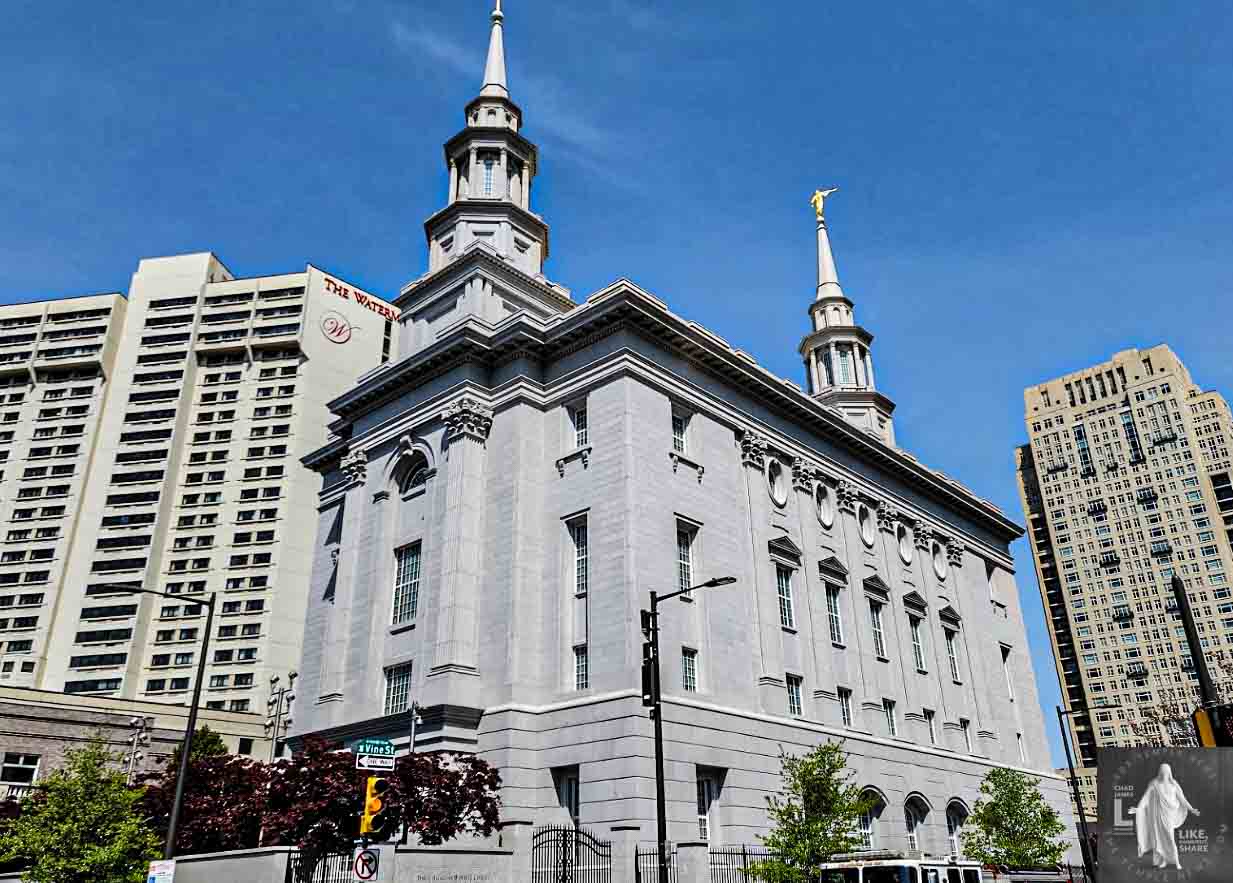
Exploring the Philadelphia Pennsylvania Temple
The Philadelphia Pennsylvania Temple is the 152nd dedicated Temple in operation, standing as a testament to faith and dedication in the heart of the city. Located at 1739 Vine St, Philadelphia, Pennsylvania, this remarkable Temple was announced to the public on October 4, 2008, by the Prophet during the General Conference.
LDS Temple News Presents the House of the Lord Philadelphia Pennsylvania Temple
The groundbreaking and site dedication occurred on September 17, 2011, led by Apostle Henry B. Eyring. This date holds historical significance, marking the 224th anniversary of the signing of the Constitution of the United States at nearby Independence Hall. Church leaders were joined by local dignitaries, including Mayor Michael Nutter. President Eyring emphasized the importance of dedicated Temples, stating that “the work done in these sacred buildings becomes the crowning element of our religious worship.”
The Temple then opened its doors for a public open house from August 10, 2016, to September 9, 2016, drawing an impressive attendance of approximately 140,000 individuals. Finally, the Philadelphia Pennsylvania Temple was dedicated on September 18, 2016, in a ceremony that highlighted the historical significance of the event, coinciding with the 240th anniversary of the signing of the Declaration of Independence at Independence Hall.
Architectural Features
Spanning 1.6 acres, the Temple encompasses 61,466 square feet and rises to a height of 208 feet 2 inches. It is a four-story construction, featuring a single attached end spire crowned by a Gold-leafed Angel Moroni Statue, measuring 21 feet 2 inches tall and crafted from fiberglass wrapped in gold leaf.
The exterior is clad in granite quarried in Maine, which was then fabricated in Canada. This design harmonizes with the neoclassical architectural style prevalent throughout historic Philadelphia. The Temple also features opalescent white art glass, embellished with beige and blue accents, enhancing the overall aesthetic of the building.
Interior Design
The interior of the Philadelphia Pennsylvania Temple is astonishingly designed with a blend of modern and classical elements. Interior doors on the lower levels are fashioned from cherry wood in a classic six-panel style, while the upper levels incorporate lavish classical orders of architecture, including Doric, Ionic, and Corinthian designs.
High-quality materials are prevalent throughout the Temple. The unique flooring combines Egyptian quarried stone with period cherry wood plank sections, reflecting the importance of historical design.
- Ceilings: Painted gypsum board ceilings feature various crown moldings, incorporating gold leaf detailing in key areas, particularly in the celestial room where an oculus provides a stunning view of a dome adorned with coffered patterns.
- Murals: Unique murals contribute to the artistic charm, including significant depictions of American and Church history, capturing monumental moments in a visually engaging way.
Landscape and Art
The surrounding environment showcases a diverse selection of trees, shrubs, and flowers native to the eastern United States, chosen to provide vibrant color and texture throughout the year. The carefully landscaped grounds complement the Temple and enhance the overall experience.
Moreover, the railing in the baptistry incorporates bronze with glass panels, influenced by the classic design of the Franklin Institute, with delicate bas-relief motifs reflective of the local flora.
Conclusion
The Philadelphia Pennsylvania Temple is a remarkable addition to the city, representing the first Temple built in Philadelphia and the entire state of Pennsylvania. Its proximity to Independence Hall and significant architectural features connect it deeply with both the historical and religious fabric of the area. The Temple continues to stand as a site of profound significance for many, embodying a commitment to faith and the shared values of a diverse population.
Philadelphia Pennsylvania Temple by LDS Temple News