
LDS Temple News Presents the Kirtland Temple House of the Lord Holiness to the Lord
Nestled in the picturesque Chagrin Valley, the Kirtland Temple at 9020 Chillicothe Road, Kirtland, Ohio, occupies a remarkable location about 25 miles east of Cleveland. This site carries profound historical and spiritual significance, tracing its roots back to the early 1830s, when its establishment was divinely instructed.
The Early Beginnings
On December 27, 1832, the vision for a house dedicated to God was articulated, as recorded in Doctrine and Covenants 88:119. This marked the foundational moment for what would become the Kirtland Temple. In June 1833, the design for the Kirtland Temple was revealed after a period of chastisement for the Saints for not moving forward with the construction.
Construction commenced on June 6, 1833, although it faced challenges, including threats from mobs. To safeguard this significant endeavor, night guards were stationed around the site during construction.
The Cornerstone Ceremony
A notable event occurred on July 23, 1833, when the First Presidency, including Prophet Joseph Smith and Apostles Sidney Rigdon and Frederick G. Williams, presided over the cornerstone-laying ceremony. The involvement of Church leadership underscored the importance of this construction for the early Saints.
Dedication and Spiritual Experiences
The Kirtland Temple was officially dedicated on March 27, 1836, with about 1,000 attendees. This moment was not just administrative but embraced remarkable spiritual experiences. Joseph Smith documented the outpouring of divine manifestations, highlighting instances of prophecy, visions, and the appearance of angels. He vividly recounted how a mighty rushing sound filled the space, leading to extraordinary occurrences among the attendees.
On April 3, 1836, during the Jewish Passover, an appearance by the Lord further validated the significance of the Kirtland Temple. This visit led to the restoration of priesthood keys through ancient prophets, establishing the spiritual legacy of the site. Although the ordinances initiated there were partial, their impact resonated through Church history.
A Legacy of Change
Two years post-dedication, the Kirtland Temple transitioned into a venue for personal and group use as the early Saints largely departed from Kirtland. It even served for a time as a public school.
In 1880, the Community of Christ reclaimed ownership and dedicated years to restoring the building to its original condition. This stewardship lasted for 144 years until a transfer of ownership occurred on March 5, 2024, when the Kirtland Temple became part of The Church of Jesus Christ of Latter-day Saints.
Architectural Features
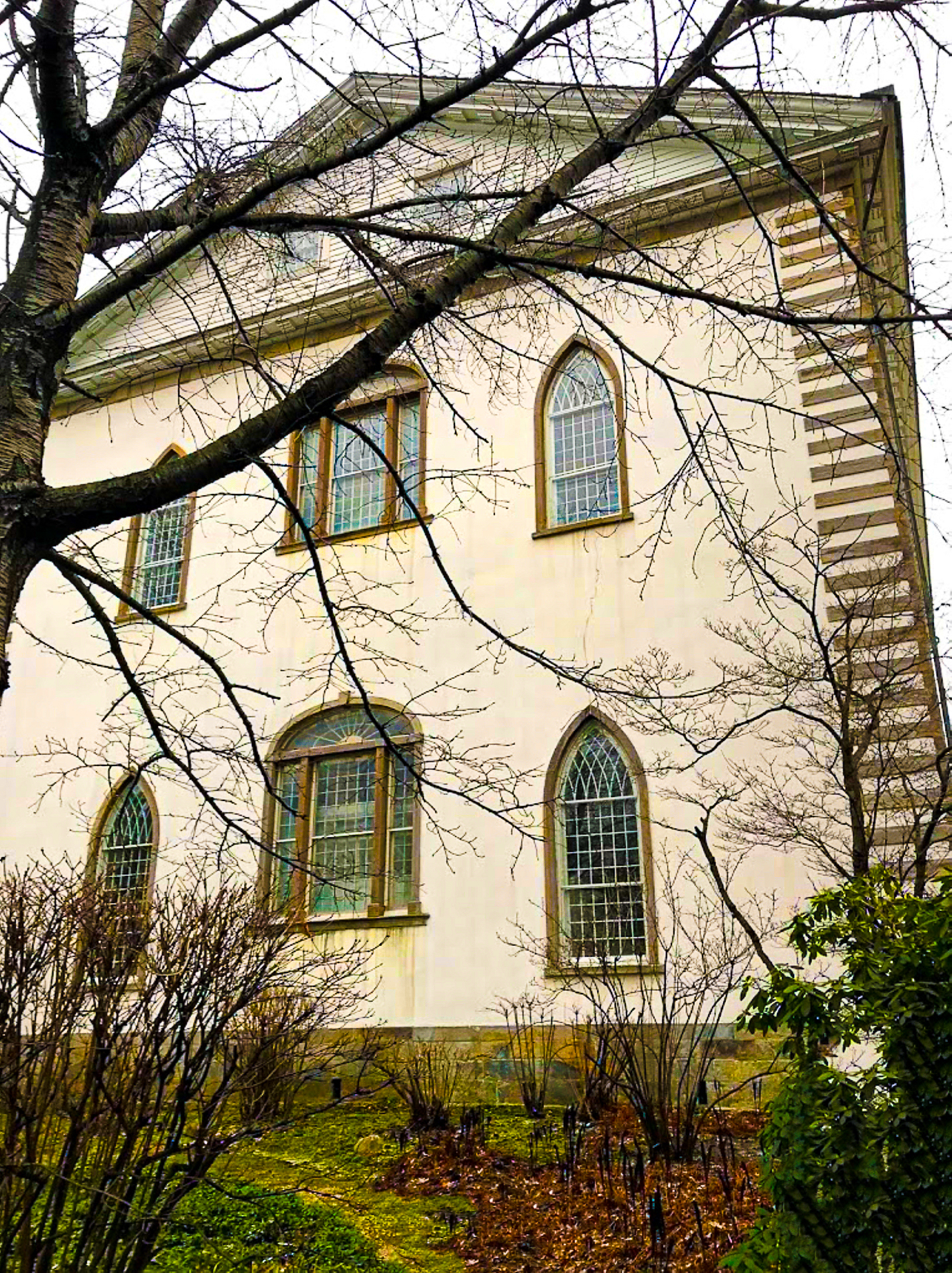
The Kirtland Temple covers an impressive area of 15,000 square feet and reaches a height of 110.5 feet. Featuring a combination of Federal, Greek Revival, and Gothic Revival architectural styles, its exterior is primarily finished with sandstone stucco and adorned with beautiful windows crafted by Brigham Young. These arched windows, along with other unique elements, showcase the craftsmanship of early Latter Day Saint artisans.
The interior highlights simplicity and utilitarian design, featuring two large assembly rooms illuminated by natural light and 19th-century oil lamps. The wooden pulpits in each room symbolize the egalitarian teachings of its early days.
Preservation and Recognition
The Kirtland Temple was added to the National Register of Historic Places in 1969 and achieved the distinction of being named a National Historic Landmark in 1977. Spanning 5.8 acres, the preservation of this site reflects the commitment to honoring its rich history while inviting exploration and learning.
In summary, the Kirtland Temple stands as a significant testament to the early history and faith of the Latter Day Saints, illustrating a journey marked by divine instruction, challenging times, and a lasting legacy. The stories and experiences associated with this historic site continue to influence and inspire.