
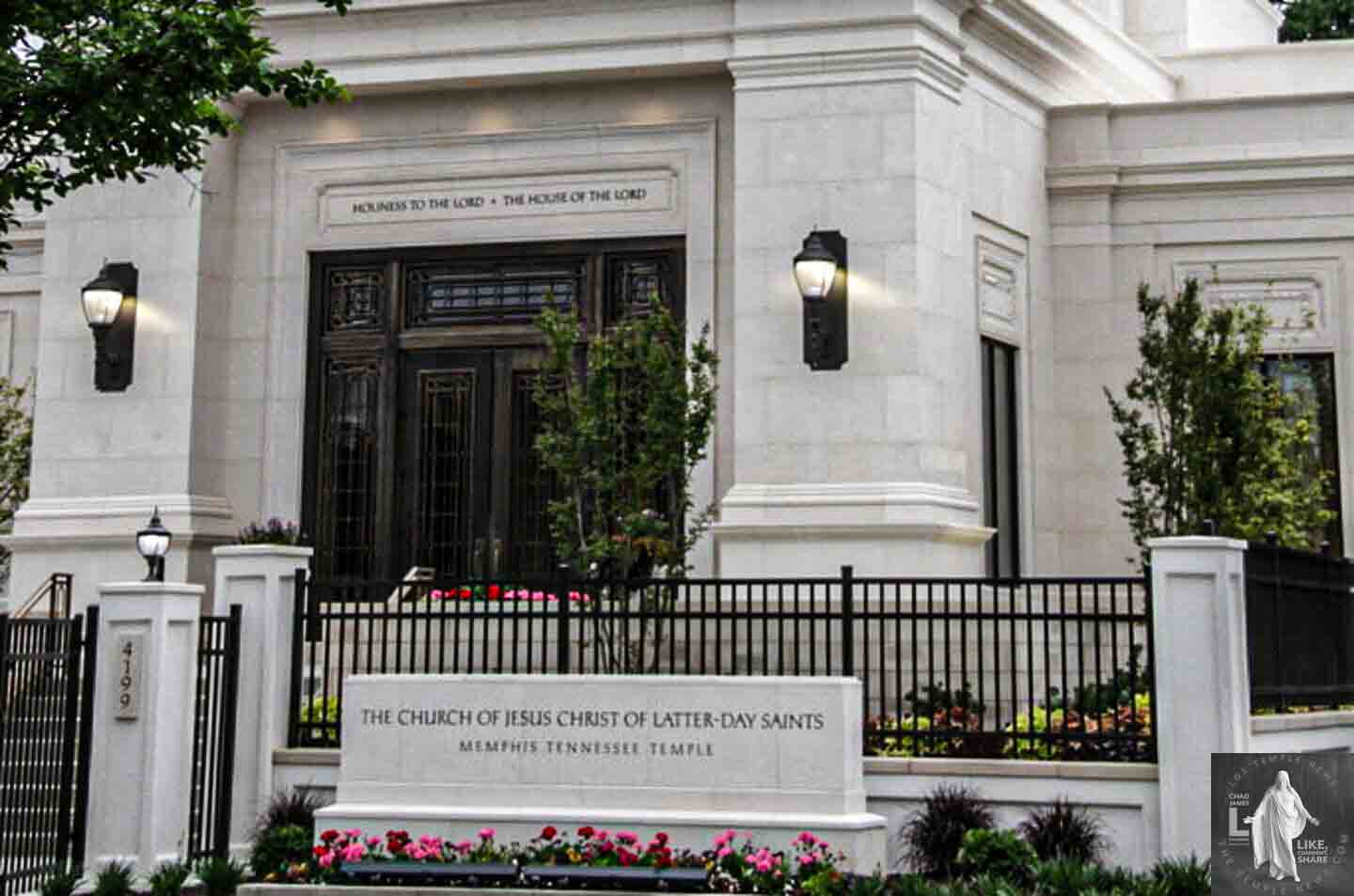
The Memphis Tennessee Temple stands as a significant example of faith and community engagement, proudly recognized as the 80th dedicated temple in operation. Its foundation was set in motion on September 17, 1998, with an announcement that sparked anticipation among the faithful. On January 16, 1999, Elder Gordon T. Watts broke ground, leading to the creation of this vital spiritual landmark.
The temple warmly welcomed the public for an open house from April 8 to 15, 2000, allowing individuals to connect with its beauty before the official dedication on April 23, 2000, officiated by Elder James E. Faust. In a testament to its ongoing community involvement, the temple held another open house from April 13 to 20, 2019, culminating in a rededication ceremony on May 5, 2019, led by Elder Jeffrey R. Holland.
Situated on an inviting 6.35 acres, the Memphis Tennessee Temple features a stunning exterior clad in beige limestone. Its eye-catching spire, topped with a gold leaf angel Moroni, makes it a landmark of spiritual significance. Inside, visitors can find thoughtfully designed spaces, including two instruction rooms, two celestial rooms, and a baptistery, all within its 10,890 square feet.
With a height of 83’9″ and an elevation of 323 feet, the temple occupies a prominent position at 4199 Kirby-Whitten Parkway in Bartlett. It also serves a practical purpose by sharing its parking lot with a chapel that caters to the Tennessee North stake, reinforcing the sense of community.
As the first temple built in Tennessee, it plays a vital role in enhancing the spiritual lives of its members. The temple underwent a major renovation starting on September 29, 2017, addressing both aesthetic and functional aspects. One of the key improvements was a 10-foot elevation of the steeple, enhancing its visual appeal and prominence.
Inside, the Memphis Tennessee Temple showcases a thoughtful design and attention to detail. The elegant gold leaf pinstriping found in the instruction, celestial, and sealing rooms adds a touch of sophistication, while vibrant art glass featuring infinity bell flowers and lazy eight motifs creates a welcoming atmosphere. The use of antiqued bronze pendant lighting throughout contributes to a warm and inviting environment, highlighted by a striking neoclassic crystal and brass chandelier in the celestial and sealing rooms.
The flooring features Daphne white stone tile from Sorrento, Florida, guiding visitors seamlessly through the entry, baptistry, and brides’ room. Rugs adorned with a pawpaw flower field pattern and lazy eight borders in calming greens, blues, and creams further enhance the space, promoting a soothing ambiance.
Ultimately, the Memphis Tennessee Temple serves as more than just a building; it functions as a vital sanctuary for peace, community, and spiritual growth. Its thoughtful design and dedicated service to all who enter reflect the commitment to fostering faith and connection among its members.