
Discovering the Palmyra New York Temple
The Palmyra New York Temple is a remarkable edifice situated in the heart of Palmyra, New York. As the 77th dedicated Temple in operation, it holds special significance within its community and beyond.
LDS Temple News Presents the Palmyra New York Temple House of the Lord Holiness to the Lord
The Palmyra New York Temple was officially announced on February 21, 1999. The groundbreaking and site dedication occurred on May 25, 1999, led by the Prophet Gordon B. Hinckley. This event marked the beginning of a significant chapter in the area’s history, culminating in its dedication on April 6, 2000. Notably, this date coincided with the 170th anniversary of the organization of the Church of Jesus Christ of Latter-day Saints in Fayette, New York, back on April 6, 1830.
Features of the Temple
Architectural Elements
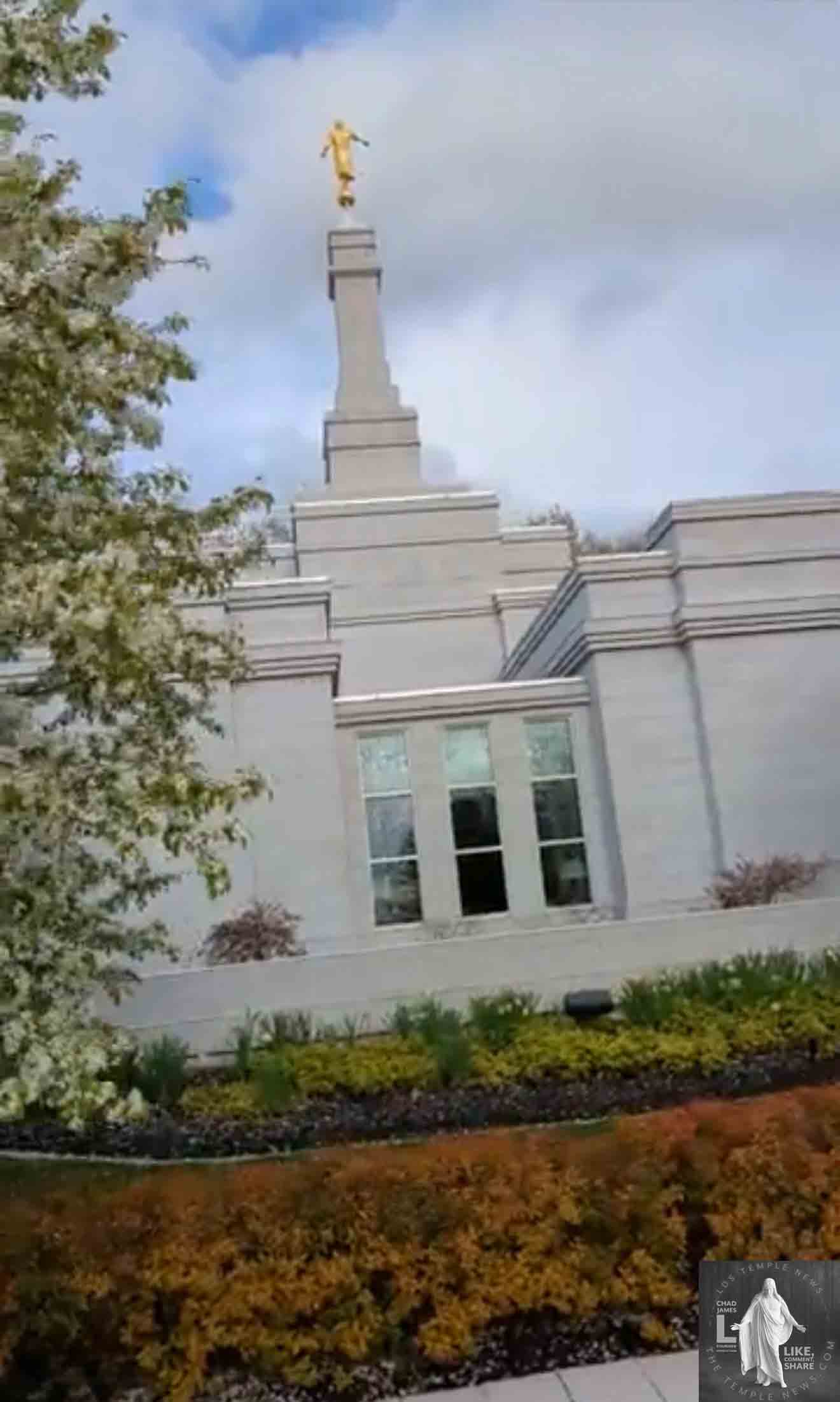
Covering an impressive 10,900 square feet, the Palmyra New York Temple boasts an exterior finish of Bethel white granite. One of its striking architectural features is the single attached spire topped with a gold-leaded statue of the angel Moroni. The Temple is built on an elevation of 578 feet, situated in an elevated area just past the Sacred Grove, where divine appearances took place in the spring of 1820.
Interior Design
Inside, the Temple is thoughtfully designed with two instruction rooms, two sealing rooms, and a baptistry. The stained glass windows exhibit intricate etchings of the Sacred Grove, integrating the sacred history of the area into its very fabric.
Land and Location
The Palmyra New York Temple is constructed on a five-acre plot of land on the original Smith Family Farm, consisting of a total of 100 acres. This location holds immense historical significance, emphasizing the profound connection between the site and the early days of the Church.
In Conclusion
The Palmyra New York Temple serves as a space for spiritual enrichment and reflection. With its deep historical roots, architectural beauty, and tranquil setting, it stands as a testament to the enduring legacy of faith in the region, ringing true for countless individuals seeking a deeper connection with their beliefs. Whether through its design or its historical context, the Temple offers a unique perspective on the developments that shaped the area’s religious landscape.