
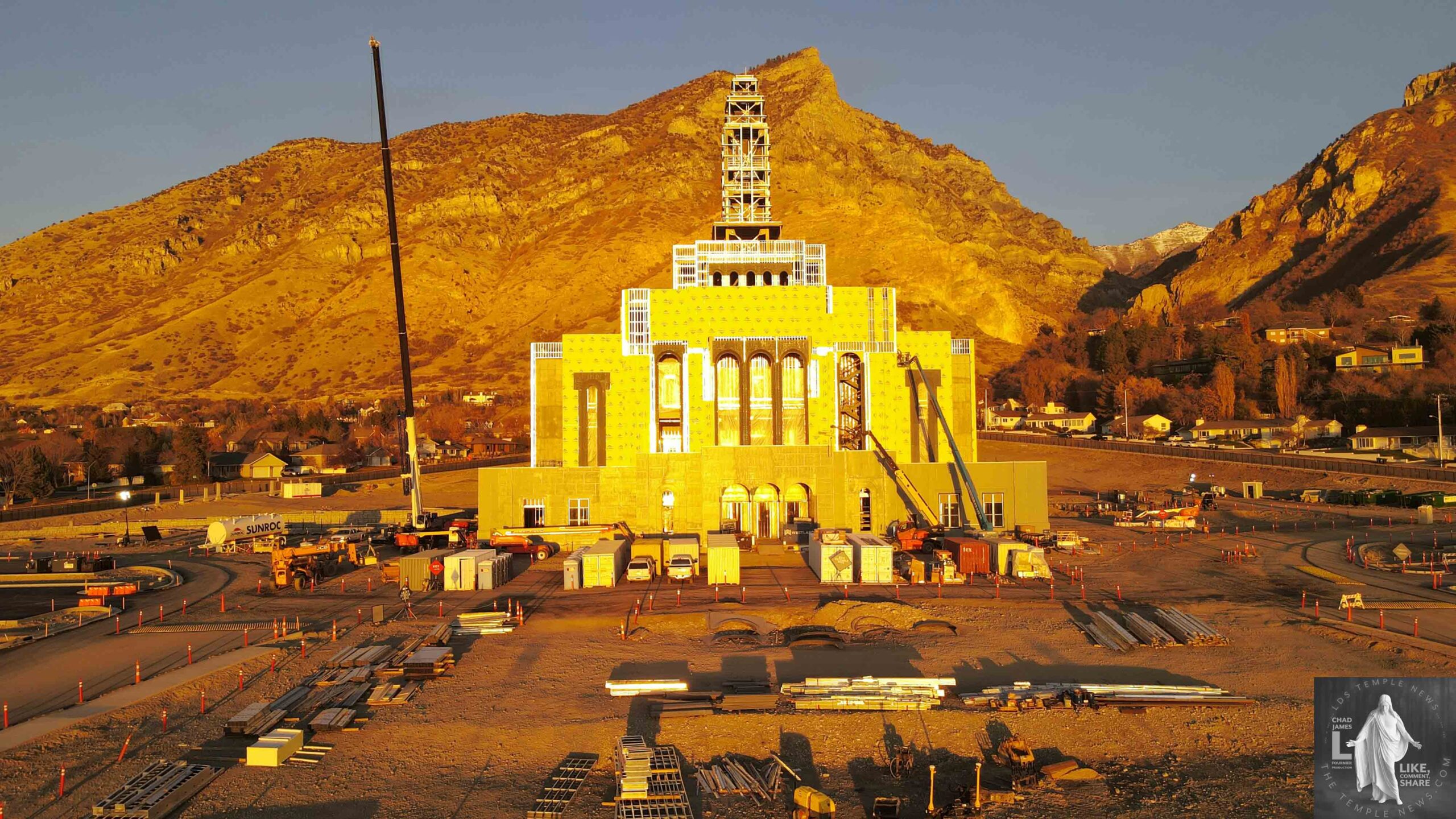
On November 29, 2025, significant changes regarding the Provo Utah Rock Canyon Temple can be seen in this updated picture. Prophet Russell M. Nelson’s statement during the October 2021 General Conference. The temple is set for a major transformation through demolition and reconstruction after the dedication of the Orem Utah Temple. The existing Provo Utah Temple will officially close on February 24, 2024, ceasing all ordinance work and thus paving the way for a new facility.
The new temple, named the Provo Utah Rock Canyon Temple, will be located on Provo’s east bench at the mouth of the picturesque Rock Canyon, surrounded by a stunning mountain backdrop. It will feature expansive grounds that include a cascading water feature amidst a variety of flowers, shrubs, and trees that highlight the region’s natural beauty. Additionally, the Provo Missionary Training Center (MTC) is nearby, further enhancing the spiritual atmosphere of the location.
Spanning approximately 163,000 square feet across a 17-acre site, the Provo Utah Rock Canyon Temple will include six instructional rooms, ten sealing rooms, and two baptistries designed to accommodate temple patrons effectively. The temple’s renaming on February 20, 2024, emphasizes its geographical significance, marking a celebratory closure of the original structure shortly after.
Currently under construction with an expected completion date of late 2027, the new temple will feature traditional yet contemporary architectural elements, characterized by long arched windows and a striking multi-level tower with a rectangular base topped by a golden spire, marking a notable departure from the mid-century modern design of the original temple.
Safety and sustainability are priorities in the new design, with the structure being built to meet current seismic codes and incorporate energy-efficient systems. The entrance will boast three grand white arches, welcoming visitors to the serene space. As part of the ongoing construction, exterior materials are being applied with modern standards in mind, and a notable change includes the absence of the Angel Moroni statue atop the spire.
The extensive grounds will blend hardscaping elements, such as concrete walkways and aesthetically pleasing intersection features, enhancing both functionality and aesthetics in harmony with the natural surroundings of Rock Canyon. Additionally, landscaping will emphasize native, drought-tolerant plant varieties in a sustainable approach, ensuring beauty and environmental stewardship.
The gardens will feature manicured terraces, symmetrical walkways, and picturesque water features, creating a tranquil environment for visitors. This thoughtful design aims to enhance the spiritual experience and reflect the values of those who use the temple.
In summary, the Provo Utah Rock Canyon Temple is set to become not only a site for worship but also a sanctuary that embodies the beauty of its environment and the community’s values. Its commitment to modern design, sustainability, and spiritual significance promises to make it an important landmark for many in the years to come.