
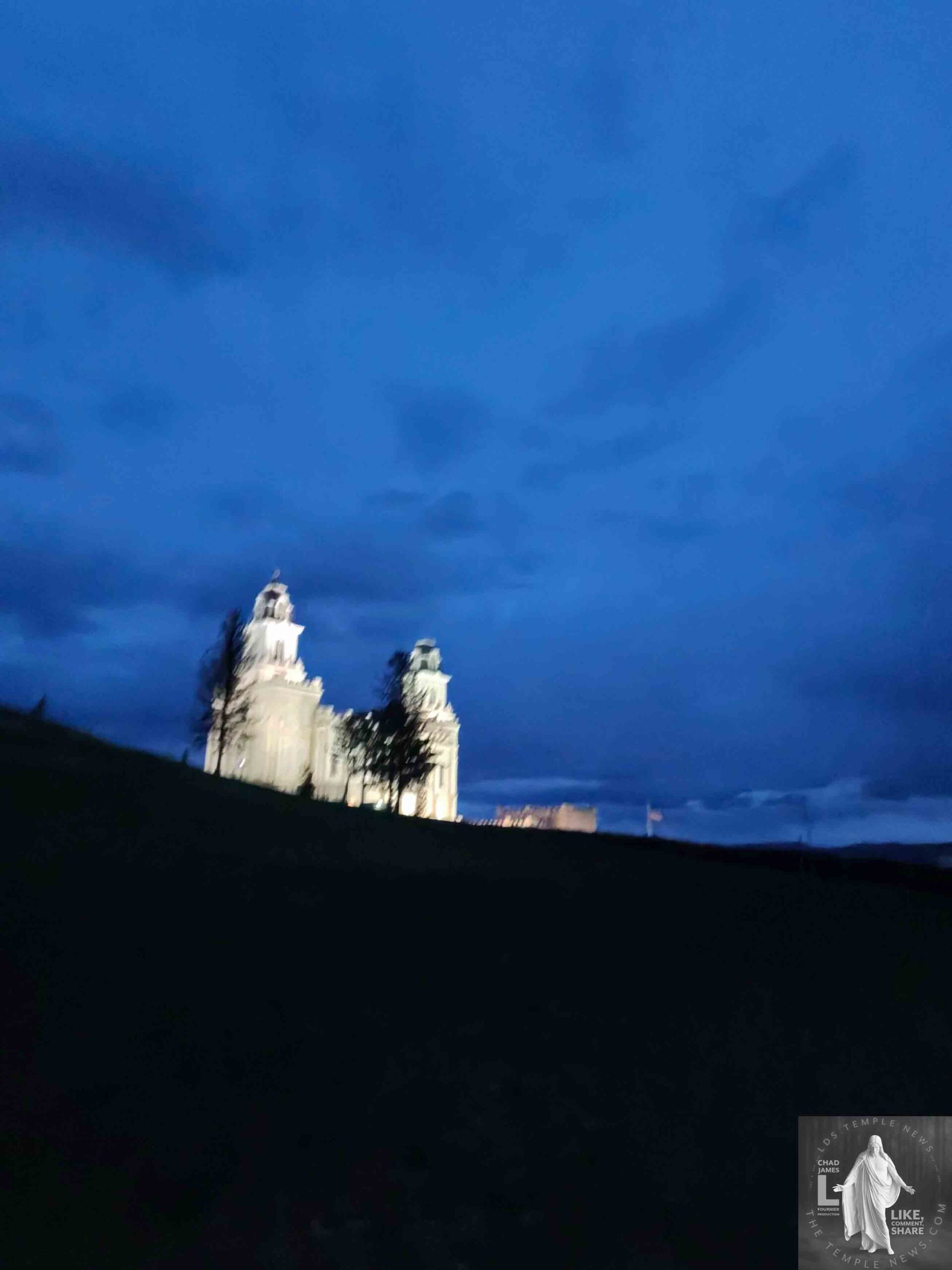
Manti Utah Temple address is 200 E 510 N Manti, Utah 84642
Nestled on a rising knoll known as “Temple Hill,” the Manti Utah Temple offers a captivating view of the Sanpete Valley in Central Utah. With its striking architecture and rich history, this beautiful space provides a profound experience for those who seek to explore its significance.
A Historical Milestone
The journey of the Manti Utah Temple began on June 25, 1875, when it was officially announced. Two years later, on April 25, 1877, the Prophet Brigham Young performed the groundbreaking and site dedication. As the third dedicated Temple in operation, Manti holds a special place in the hearts of many.
Over the years, the Temple has undergone several renovations, resulting in public dedications and open houses. The most recent open house occurred from March 14 to April 5, 2024, showcasing the Temple’s updated features before its dedication on April 21, 2024, by the Prophet Russell M. Nelson.
Stunning Architectural Features
The Manti Utah Temple stands proud at 74,792 square feet, reaching a height of 179 feet, and is built on a sprawling 27-acre site. Its exterior is clad in fine-textured cream-colored oolite limestone, quarried right from the grounds upon which the Temple resides. The craftsmanship is evident throughout, including the twin self-supporting, open-centered spiral staircases that gracefully wind five stories in both octagonal towers on the west side. These staircases are an engineering marvel, with walnut handrailings so expertly crafted that no joints are visible.
Unique Elements
An interesting characteristic of the Manti Utah Temple is that it does not display a sign bearing its name. Yet, its distinctive architectural features, including two attached towers and the lack of a gold-leafed Angel Moroni statue, make it unmistakable.
Inside, the Temple houses four instruction rooms, nine sealing rooms, and one baptistry, providing ample space for various sacred activities. A large arching tunnel once allowed cars to traverse under the east tower, though it is now closed. However, the arch remains visible when passing through the Temple’s sealing rooms.
The Manti Utah Temple has also been known for its colorful murals, especially in the Creation Room, Garden Room, and World Room, providing an enriching backdrop to the experience.
Resilience Through the Years
An interesting chapter in the Temple’s history occurred in 1928, when a lightning strike ignited a fire in the east tower that blazed for three hours. Despite this challenge, the Temple has remained a focal point of devotion and artistry.
For over 133 years, live endowments were beautifully presented in the Temple until they were suspended after renovations on October 2, 2021. This change marked the end of an era but opened the door for new experiences within its walls.
A Space of Impressive Scale
At an elevation of 5,657 feet, the Manti Utah Temple not only boasts breathtaking views but also stands as a testament to the dedication and craftsmanship of those who built it. The Temple continues to be a cherished place, capturing the attention and admiration of all who encounter it.
In conclusion, the Manti Utah Temple is more than just a beautiful building; it is a mosaic of faith, history, and human artistry standing proudly in the heart of Utah.