
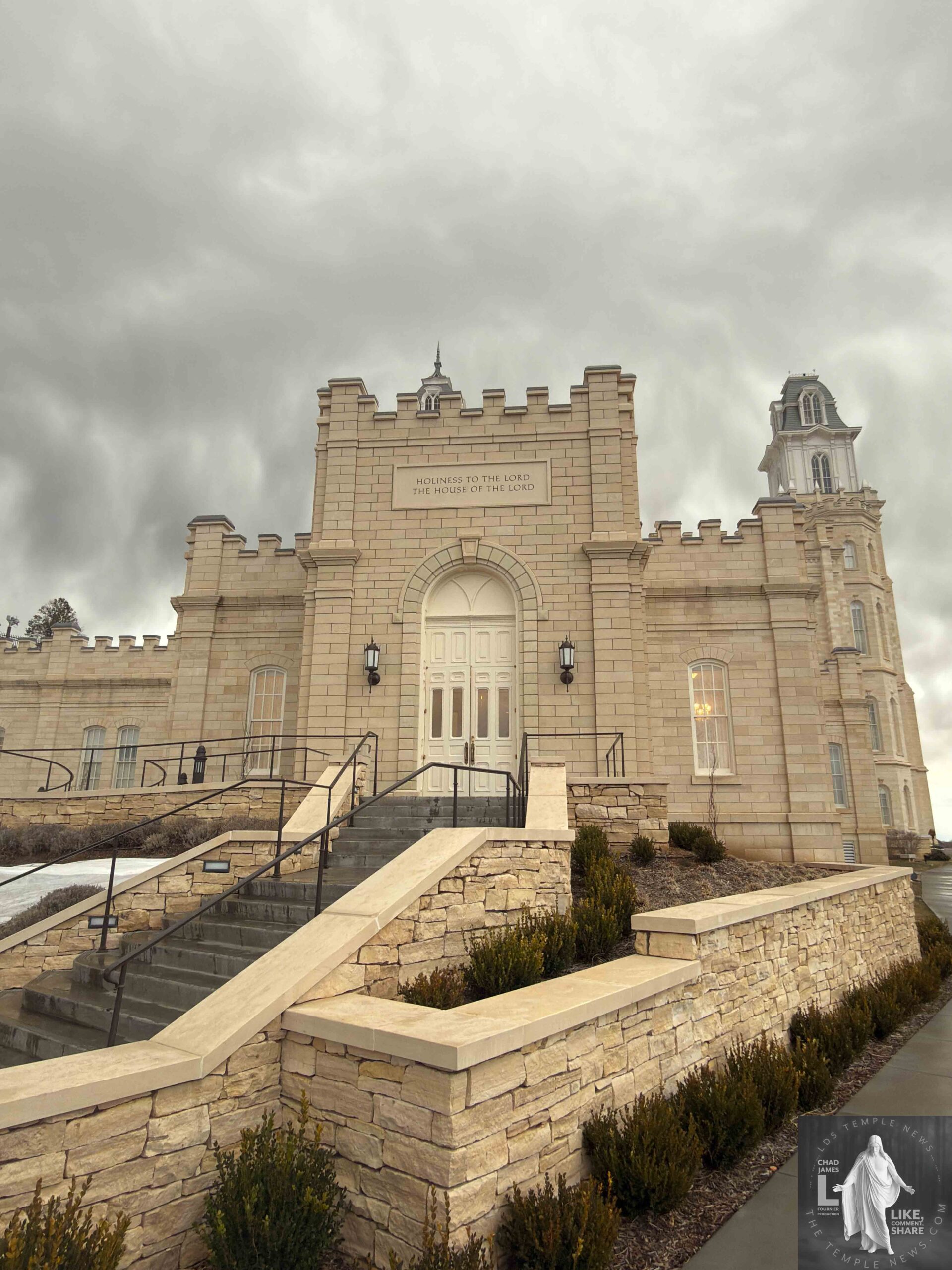
Discovering the Magnificence of the Manti Utah Temple
Nestled high in the picturesque Sanpete Valley of Central Utah, the Manti Utah Temple stands as a beacon of faith, history, and architectural beauty. This stunning edifice, dedicated as the third temple of The Church of Jesus Christ of Latter-day Saints, has captivated visitors and locals alike with its storied past and enchanting features. Located at 200 E 510 N, Manti, Utah 84642, the temple is not just a spiritual haven but also a testament to the ingenuity and dedication of its builders.
A Journey Through Time
The story of the Manti Utah Temple begins on June 25, 1875, when it was first announced by church leaders. The groundbreaking ceremony, conducted by none other than the Prophet Brigham Young on April 25, 1877, marked the beginning of a monumental project that would take nearly a decade to complete. The temple’s original name was simply the Manti Temple, and since its inception, it has undergone several renovations, each time bringing new life and purpose to this sacred space.
Over the years, the Manti Utah Temple has experienced numerous public dedicatory events and open houses, the most recent taking place from March 14 to April 5, 2024, leading up to its dedication by Prophet Russell M. Nelson on April 21, 2024.
Architectural Marvels and Design
Spread over 27 acres, the temple is constructed using fine-textured, cream-colored oolite limestone—quarried from the very ground on which it stands. With a sprawling 74,792 square feet of interior space and a majestic height of 179 feet, the temple’s presence is both commanding and inviting. Perched upon a rising knoll known as “Temple Hill,” it offers breathtaking views of the surrounding landscape, making it a memorable landmark along Highway 89.
One of the most striking features of the Manti Utah Temple is its twin self-supporting, open-centered spiral staircases, which gracefully wind five stories within the octagonal towers on the west side. Crafted with such skill that no joints are visible in the walnut handrailings, these staircases are considered an engineering marvel of the pioneer era.
Unique Features
Unlike many other temples, the Manti Utah Temple does not showcase a gold-leafed Angel Moroni statue on its spires. Instead, it features two distinctive towers and retains a unique architectural character. It offers four instruction rooms, nine sealing rooms, and a baptistry for various sacred rites.
Beautifully designed, the temple includes hand-painted murals in its Creation, Garden, and World Rooms, while the Terrestrial and Celestial Rooms maintain a more serene aesthetic without murals.
Interestingly, the temple once had a live endowment presentation for 133 years, though that practice ceased on October 2, 2021, after a significant renovation.
A Resilient Structure with a Rich History
The temple has endured its share of challenges, including a lightning strike in 1928 that set the east tower ablaze for three hours. Despite such difficulties, the Manti Utah Temple remains a symbol of resilience and faith.
An intriguing feature that adds to its mystique is a large arching tunnel beneath the east tower, which, although closed now, historically allowed vehicles to pass from one side of the temple to the other. Visitors can still catch a glimpse of this architectural wonder when they walk through the sealing rooms.
Embrace the Spirit of Manti
Whether you are a local resident or a visitor passing through, the Manti Utah Temple offers more than just an architectural marvel; it is a profound spiritual retreat that invites exploration and reflection. With its rich history, breathtaking craftsmanship, and serene environment, the temple is a reminder of the enduring faith and determination of those who built it and continue to cherish it today.