
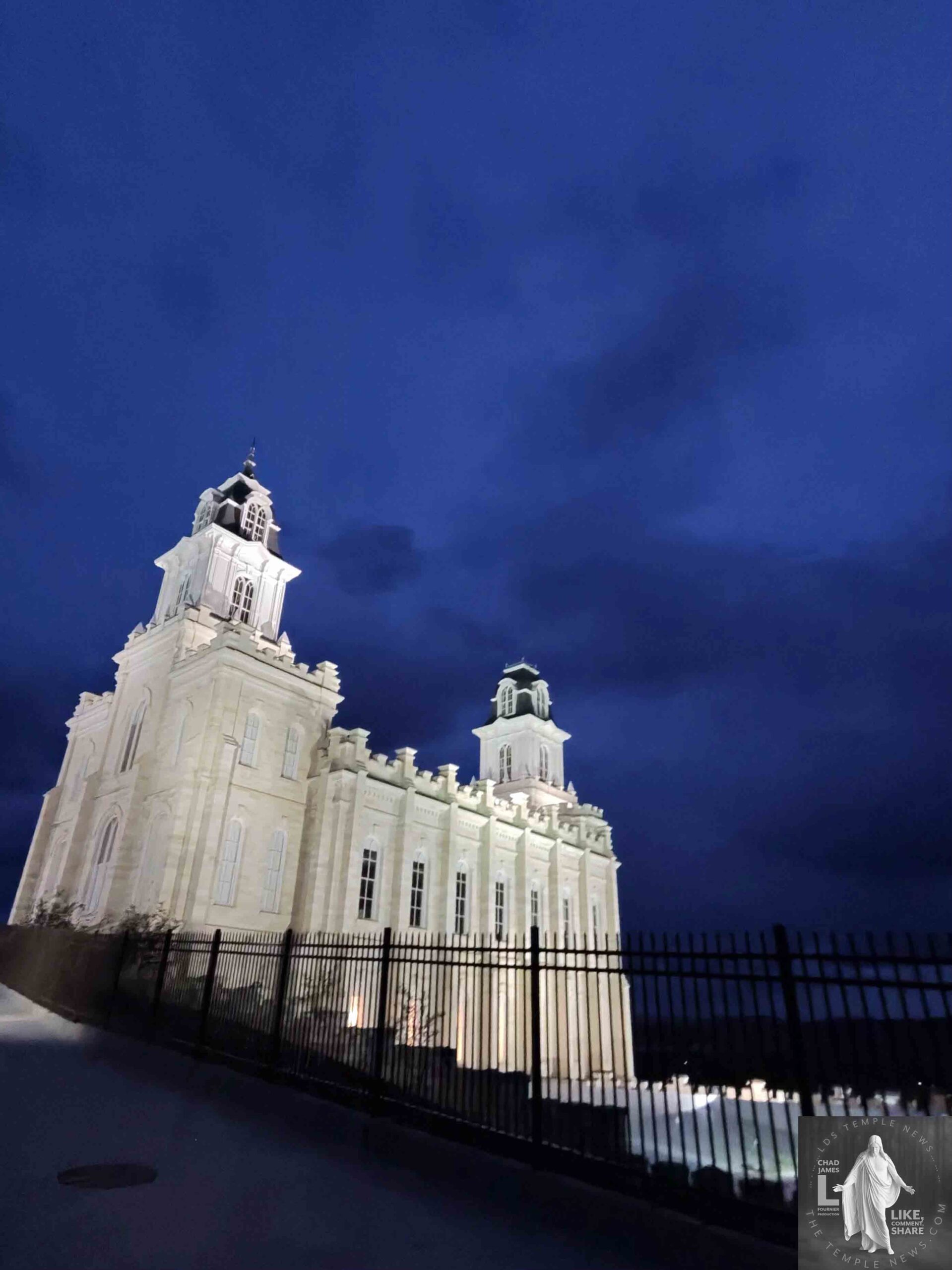
Manti Utah Temple Public Open House was from March 14th through April 5 2024
Nestled in the picturesque Sanpete Valley, the Manti Utah Temple stands as a remarkable achievement in architecture and dedication. This impressive site, built on 27 acres, was the third dedicated Temple to enter operation, following its announcement on June 25, 1875. Over the years, it has become a cherished part of the Manti landscape.
A Journey Through History
Historically significant, the Manti Utah Temple was groundbreaking on April 25, 1877, presided over by the Prophet Brigham Young. Since then, it has undergone several noteworthy renovations, leading to multiple dedications. The latest dedication took place on April 21, 2024, under the leadership of Prophet Russell M. Nelson, although previous building enhancements drew substantial public interest through various open houses, including the most recent from March 14 to April 5, 2024.
Architectural Wonders
The exterior of the Manti Utah Temple showcases fine-textured cream-colored oolite limestone, unique to the very site on which it stands. A defining feature of this Temple is its twin self-supporting, open-centered spiral staircases. These impressive stairs, winding five stories within the octagonal towers on the west side, are devoid of visible joints in the walnut handrailings, attesting to the exceptional craftsmanship of the builders, who were pioneers in their own right.
Engaging Spaces and Features
Inside, the Temple occupies a substantial area of 74,792 square feet and reaches a height of 179 feet, sitting at an elevation of 5,657 feet. It includes four instruction rooms, nine sealing rooms, and one baptistry, facilitating a variety of sacred activities. While many rooms are adorned with beautiful murals, including the Creation Room, Garden Room, and World Room, the Terrestrial and Celestial Rooms feature a more minimalist approach.
One architectural curiosity of the Manti Utah Temple is the large arching tunnel that once passed under the east tower, allowing vehicles to traverse from one side to the other. Though the tunnel is now closed, glimpses of its arch can still be seen when one walks through the sealing rooms.
A Testament to Resilience
This Temple has also witnessed its share of challenges. In 1928, a lightning strike ignited the east tower, leading to a prolonged fire that lasted three hours. Despite such trials, the dedication and spirit of those who cherish this site have kept its legacy alive. Notably, the Temple formerly featured a live endowment presentation for 133 years, a cherished tradition that concluded after renovations in October 2021.
Located just off Highway 89, the Manti Utah Temple is gracefully positioned on a rising knoll, often referred to as “Temple Hill.” It does not display a sign bearing its name, adding an air of quiet elegance to its impressive façade. The absence of the well-known gold-leafed Angel Moroni statue and its two attached towers contribute to a unique aesthetic that stands as a testament to both its historical significance and architectural beauty.
Conclusion
The Manti Utah Temple is not just a beautiful achievement; it is a story of faith, craftsmanship, and resilience. As it stands proudly overlooking the Sanpete Valley, it continues to inspire those who encounter it, offering a unique glimpse into the rich history of the region.