
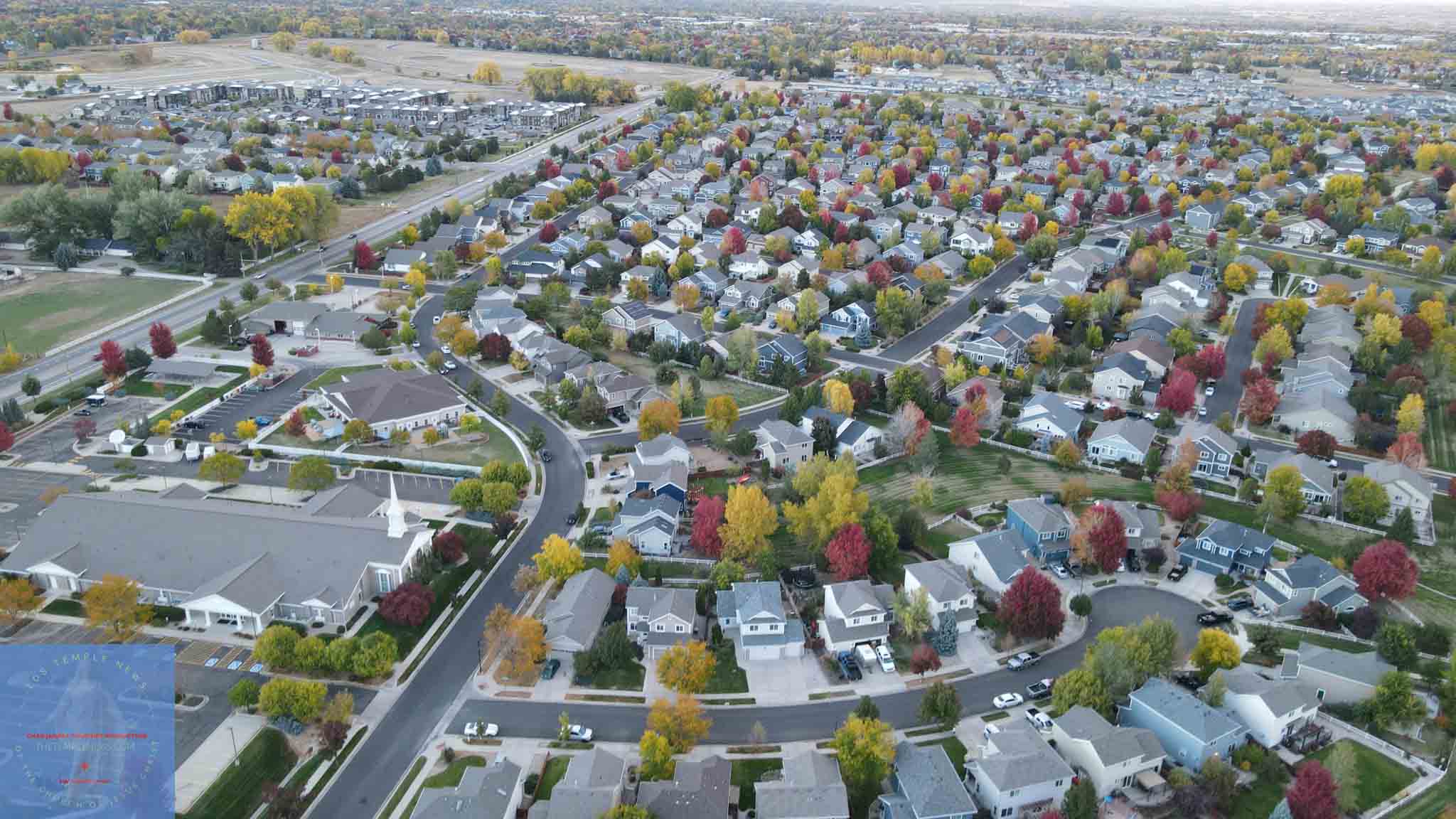
The Fort Collins Colorado Temple: A Marvel of Architecture and Faith
Nestled in the scenic landscape of Fort Collins, Colorado, the Fort Collins Colorado Temple stands as the 153rd Operating Temple of the Church of Jesus Christ of Latter-day Saints. Located at 2180 Majestic Drive, this impressive edifice not only beautifies the area but also serves a significant spiritual purpose.
A Journey to Completion
The journey to the completion of the Fort Collins Colorado Temple began with a momentous announcement made by President Thomas S. Monson on April 2, 2011. The official groundbreaking and site dedication took place on August 24, 2013, led by Elder Ronald A. Rasband. Following several years of diligent work, the Temple opened its doors for a public open house from August 19 to September 10, 2016, drawing a remarkable total of 105,000 visitors eager to explore its sacred spaces.
The Dedication
On October 16, 2016, the Fort Collins Colorado Temple was dedicated by Apostle Dieter F. Uchtdorf. This significant event marked the culmination of years of effort and the realization of a dream for many.
Architectural Highlights
Covering 15.69 acres, the Temple is constructed primarily from beige concrete panels, which harmonize beautifully with the surrounding environment. The design features a central tower topped with a stunning gold-leafed statue of the Angel Moroni, added on August 26, 2015, that adds a majestic touch to the skyline.
At 42,000 square feet and standing 112 feet tall, the Fort Collins Colorado Temple includes two instruction rooms, three sealing rooms, and a baptistry, providing various facilities for its sacred functions. Sitting at an elevation of 4,921 feet, the Temple offers breathtaking views of the Colorado landscape, enhancing its spiritual and architectural significance.
Nearby Amenities
Adjacent to the Temple is a chapel located across the residential street, allowing for additional congregational activities and gatherings. This thoughtful layout emphasizes the importance of both individual and collective spiritual experiences.
Conclusion
The Fort Collins Colorado Temple, the second of its kind in Colorado, is not just a place of architectural beauty; it represents personal faith and devotion for countless individuals in the area and beyond. Its history, design, and purpose create a lasting impression that resonates deeply with those who encounter it.