
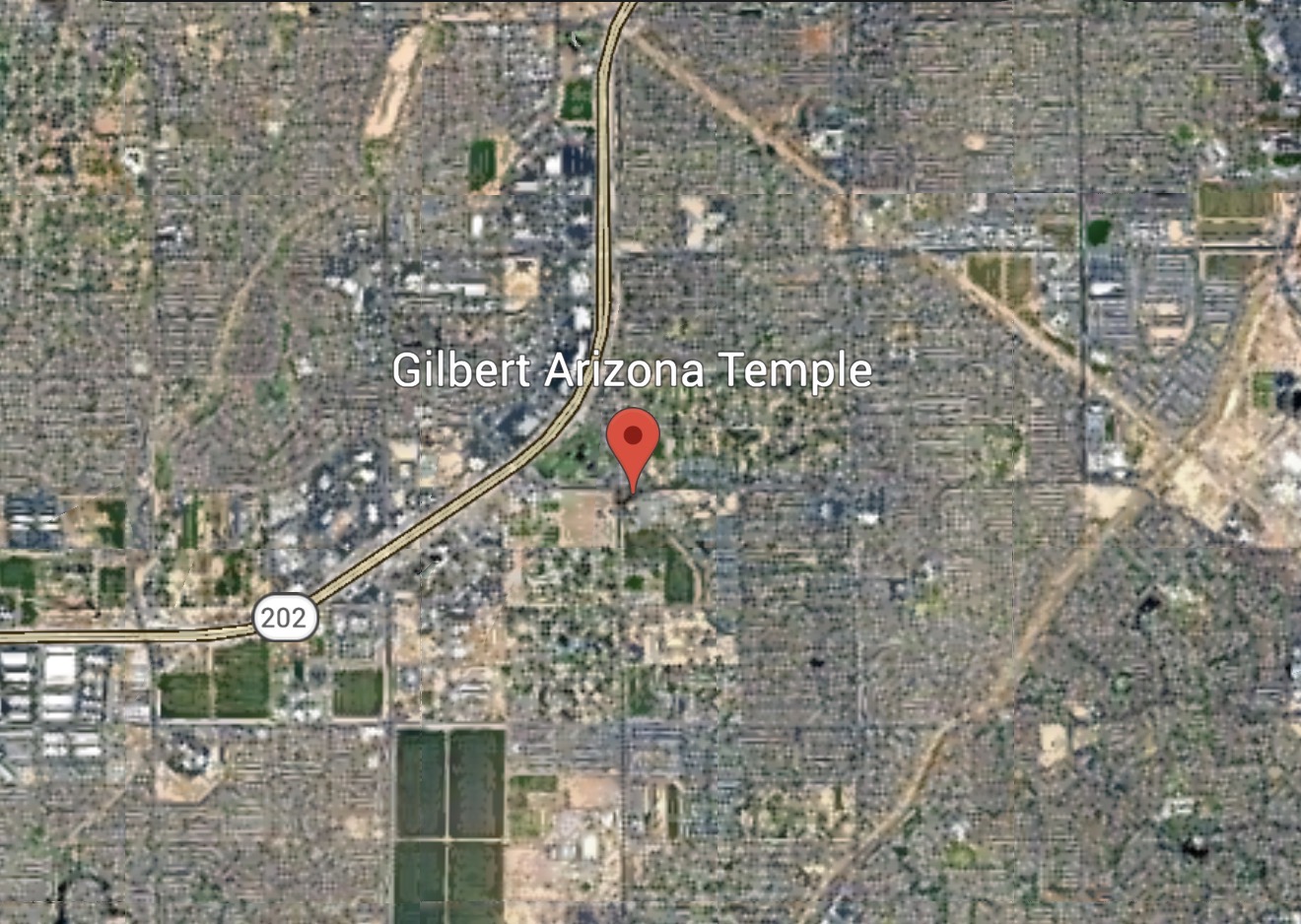
Regional Map of the GIlbert Arizona Temple
Nestled in the heart of Gilbert, Arizona, the Gilbert Arizona Temple stands as the 142nd dedicated Temple in operation. Located at 3301 S Greenfield Rd, this impressive site covers 15.38 acres and boasts an elegant design that captures the essence of devotion and serenity.
A Brief History
The journey of the Gilbert Arizona Temple began on April 26, 2008, when it was first announced. The groundbreaking ceremony took place on November 13, 2010, led by Elder Claudio R.M. Costa, marking a significant moment in its development.
To raise awareness and allow individuals to appreciate the beauty of this remarkable space, a public open house was held from January 18 through February 15, 2014, attracting an astounding 407,020 attendees. This event allowed the community to explore and experience the Temple before its dedication.
The official dedication occurred on March 2, 2014, officiated by the Prophet Thomas S. Monson, with Elder Henry B. Eyring reading the dedicatory prayer. This moment solidified the Temple’s role in the spiritual life of the area.
Architectural Features
One of the most striking features of the Gilbert Arizona Temple is its majestic single attached central spire, topped with a gold-leafed Angel Moroni statue, which was added on May 15, 2012. The exterior is composed of precast concrete panels, giving it a distinctive and sophisticated look.
Spanning 85,326 square feet, the Temple includes three instruction rooms, seven sealing rooms, and one baptistry. Its height reaches an impressive 195 feet, making it a notable site against the Arizona skyline.
Elevation and Surroundings
Situated at an elevation of 1,269 feet, the Gilbert Arizona Temple offers a picturesque view of its surroundings, enhancing its tranquil atmosphere. The expansive grounds invite reflection and peace, contributing to the overall experience of the site.
The Gilbert Arizona Temple continues to be a place of significance and inspiration, serving those who seek to deepen their faith and understanding. Its history, architecture, and serene setting make it a notable addition to Gilbert’s rich cultural tapestry.