
Discovering the Tulsa Oklahoma Temple
The Tulsa Oklahoma Temple is set to be a significant addition to the religious landscape of Oklahoma. Announced by President Russell M. Nelson on October 1, 2023, during the October General Conference, this new edifice will be the state’s second according to local church history, following the Oklahoma City Oklahoma Temple, which was dedicated in 2000 and rededicated in 2019. The official announcement has generated anticipation among the approximately 50,000 Latter-day Saints spread across 90 areas in Oklahoma.
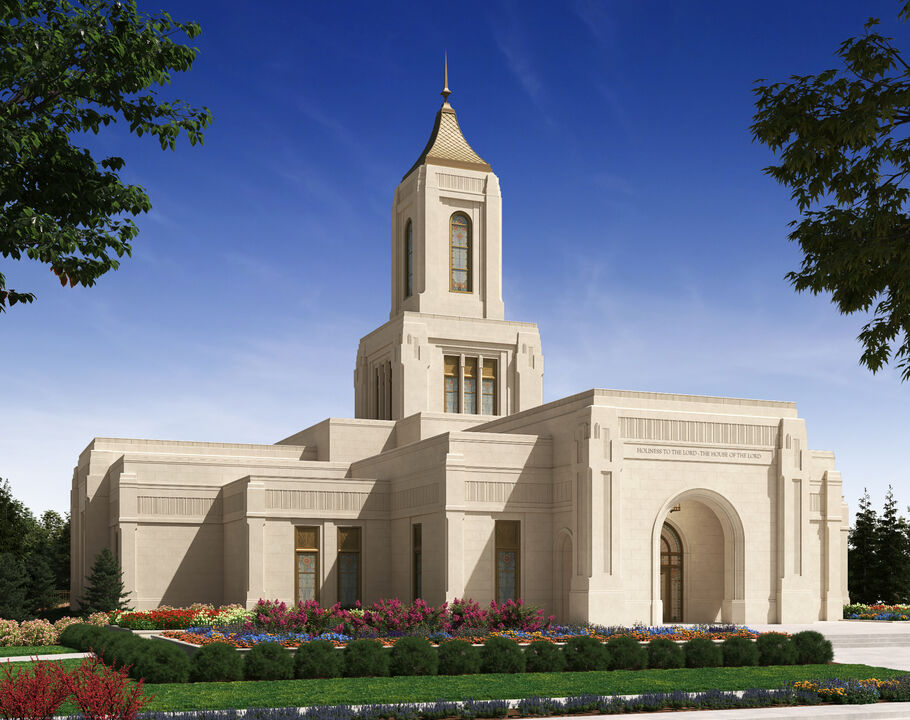
Rendering of the Tulsa Oklahoma Temple
The Tulsa Oklahoma Temple will occupy a sizable 25.7-acre lot situated at the intersection of 51st and 136 E Avenue in Tulsa, Oklahoma. This central location in northeast Oklahoma, the second-largest city in the state, is intended to serve the needs of local church members seeking a designated space for spiritual activities.
Architectural Features
The design of the Tulsa Oklahoma Temple includes several notable features:
Dimensions
The total area of the Temple will be 29,600 square feet, providing ample space for various activities.
Design Elements
Architecturally, it is characterized by a single attached central tower and an end spire, which is distinctive in its design as it does not include a Gold-leafed Angel Moroni Statue.
Exterior Finish
The exterior of the Temple will showcase an elegant granite finish, contributing to both its beauty and durability.
Timeline and Development
As it stands, the Tulsa Oklahoma Temple is still in the planning stages, and a start date for construction has not yet been announced. However, a rendering of the design was released to the public on October 20, 2025, allowing the local populace a glimpse into what this new addition will look like.
Elevation
The Temple will be positioned at an elevation of 724 feet, adding to its prominence in the area.
In conclusion, the Tulsa Oklahoma Temple represents a forward step for the Latter-day Saints in Oklahoma, providing them with a new place for spiritual growth and connections within their faith. Its planned architectural features, substantial footprint, and prime location highlight its significance to both the local congregation and the broader community in the area.