
St. George Utah Temple We Shall Seek Him
Discovering the St. George Utah Temple: A Historical Overview
Nestled in the heart of St. George, Utah, the St. George Utah Temple stands as a testament to devotion and perseverance. With its intriguing history and architectural significance, this Temple has captivated many since its inception.
St. George Temple We Shall Seek Him
The Announcement and Groundbreaking
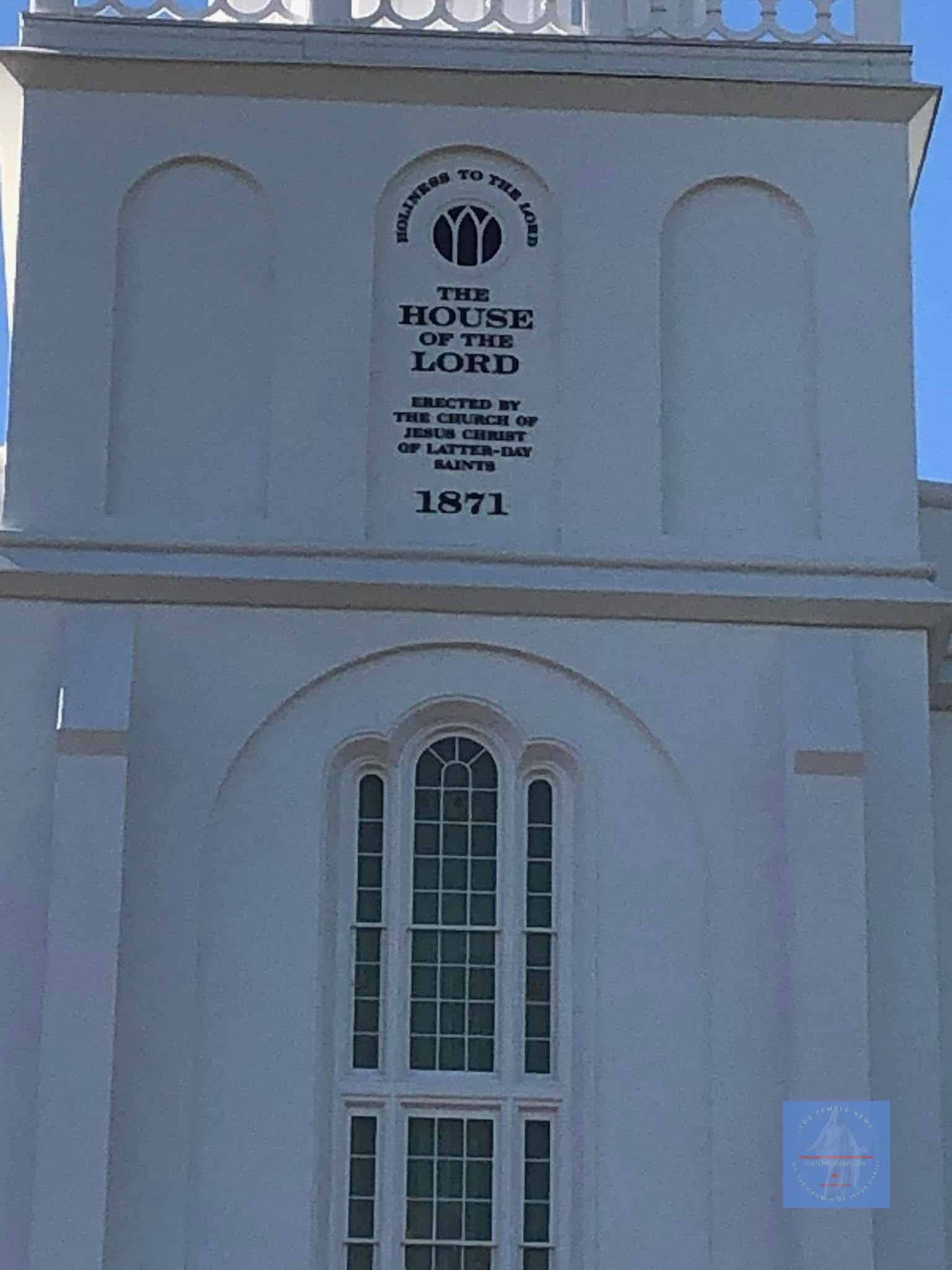
The St. George Utah Temple was announced on January 31, 1871. Just a few months later, on November 9, 1871, the groundbreaking and site dedication took place, led by Brigham Young, the Second Prophet of The Church of Jesus Christ of Latter-day Saints. This moment marked a significant milestone for the region.
Construction Challenges
Constructing the Temple was no small feat. The site was once swampy ground, laden with volcanic rock. Remarkably, these rocks were utilized during construction through innovative methods, including the use of a cannon. Visitors can find some of this rock on display at the visitor center. Encompassing 6.5 acres, the Temple’s construction involved native redstone sandstone quarried north of the city, which was complemented by white plaster. Additional materials included precast concrete and steel, all contributing to its unique exterior.
A First for the Territory
The St. George Utah Temple holds the distinction of being the first Temple built in the Utah Territory. It also stands out as the only Temple completed during Brigham Young’s 30-year tenure as Prophet.
Architectural Highlights
Size and Dimensions
With a total area of 143,969 square feet, the Temple boasts a height of 175 feet and an elevation of 2,678 feet. Its single attached end tower adds vertical elegance to its overall design, creating a magnificent silhouette against the Utah sky.
Interior Features
Inside, the Temple features three instruction rooms, several sealing rooms, and one baptistry, serving multiple functions within its sacred space. The original presentation of the endowment was delivered live, which offered a unique experience to participants.
Dedication and Early Use
The dedication of the St. George Utah Temple took place on January 1, 1877, consisting of a series of three dedicatory prayers delivered by prominent leaders: the baptistry by Wilford Woodruff, the assembly room by Erastus Snow, and the sealing room by Brigham Young, Jr. Just a few days later, on January 9, 1877, baptisms for the dead commenced, followed by the start of endowments on January 11, 1877, while construction on other areas continued.
Significant Events
The Tower Incident
Not long after the dedication, the original tower fell victim to a lightning storm, leading to substantial damage. A new tower was erected in 1883, which was taller and more majestic than its predecessor.
Unique Appearances
In a remarkable spiritual event, Wilford Woodruff experienced two visits from the Founding Fathers of the United States, inquiring about the pending completion of their temple work. A striking painting illustrating this event, titled That We May be Redeemed by Harold I. Hopkinson, adorned the Temple lobby for many years.
Fire and Preservation
In November 1928, a fire devastated the annex built in 1883; however, all records and furnishings were preserved. This event marked another chapter in the Temple’s storied history, showcasing the resilience of those who have cared for it.
Recent Developments
Public Open House
The latest public open house occurred from September 15th through November 11th, 2023, presided over by Apostle Jeffrey R. Holland, allowing many to learn about the Temple’s rich heritage and significance in contemporary times.
The St. George Utah Temple stands as a remarkable example of faith, enduring craftsmanship, and historical importance in the region. Its journey from conception to completion and beyond continues to inspire awe and reverence in all who come to understand its legacy.