
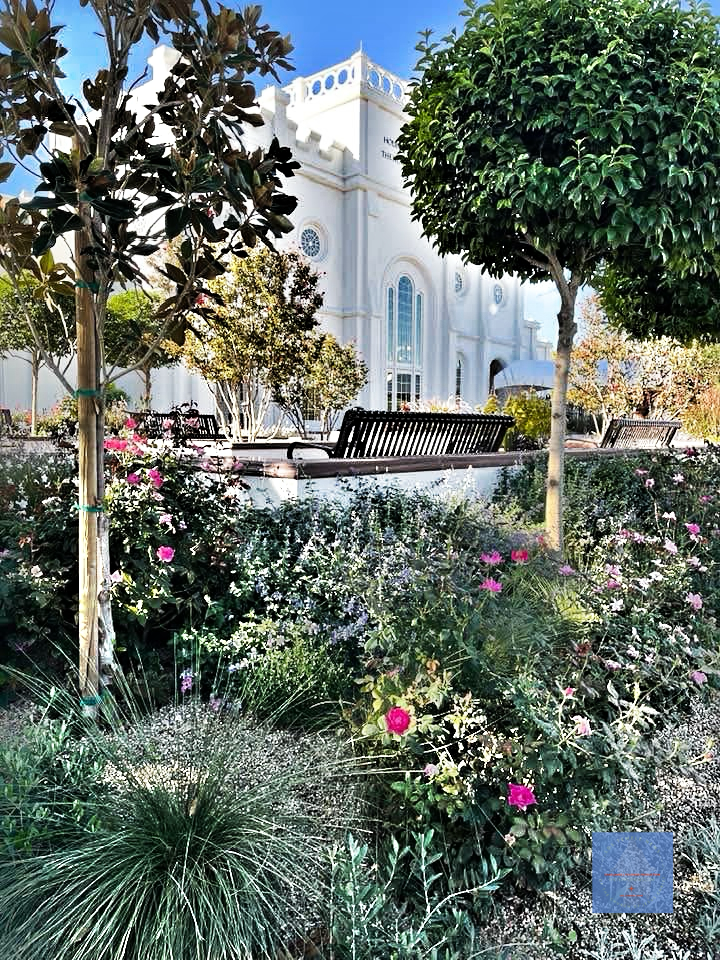
St. George Utah Temple was first announced on January 31, 1871
St. George Utah Temple was first announced on January 31, 1871
Nestled in the heart of St. George, Utah, the St. George Utah Temple stands as a testament to history, craftsmanship, and dedication. This site has a rich narrative that spans over a century, inviting all to explore its intriguing past.
Discovering the St. George Utah Temple: A Historical Journey
The St. George Utah Temple was announced on January 31, 1871, during a period of growth and expansion for The Church of Jesus Christ of Latter-day Saints. Just a few months later, on November 9, 1871, the groundbreaking and site dedication took place. This event was significant, led by the Prophet Brigham Young, who played a pivotal role in its development.
The Announcement and Groundbreaking
Construction Challenges
Interestingly, the land where the Temple now stands was originally swampy. To prepare the site, volcanic rock was used, which was transported using a cannon. This unique approach highlights the determination and resourcefulness of those involved in the construction. The rock can be seen displayed at the visitor center, serving as a tangible reminder of the challenges faced during the early days of this endeavor.
Architectural Highlights
Design and Materials
The St. George Utah Temple covers an impressive area of 143,969 square feet and is built on 6.5 acres. Its exterior is finished with native redstone sandstone quarried from the north of the city, complemented by white plaster. Various additions are made using precast concrete and steel, seamlessly blending tradition with modern techniques.
At a height of 175 feet and sitting at an elevation of 2,678 feet, this Temple boasts a single attached end tower, creating a profound visual impact against the blue Utah sky.
Key Features
Inside the Temple, visitors can find three instruction rooms, several sealing rooms, and a baptistry. This thoughtful design reflects the careful planning that went into ensuring the Temple meets diverse needs. The layout and features contribute to a sense of reverence and purpose within its walls.
Notable Events and Changes
Dedication and Early Days
The St. George Utah Temple was dedicated on January 1, 1877, in a series of three dedicatory prayers. The baptistry was dedicated by Wilford Woodruff, followed by the assembly room led by Erastus Snow, and finally, the sealing room by Brigham Young, Jr. Following the dedication, baptisms for the dead commenced on January 9, 1877, with endowments starting soon after on January 11, 1877, while construction continued in other areas.
Trials and Triumphs
The Temple’s history includes its share of challenges. The original tower fell victim to a lightning storm about a year after its dedication, leading to significant damage. However, resilience prevailed, and a new tower was completed in 1883, even taller and more majestic than its predecessor.
Unique Experiences
One of the remarkable events in the Temple’s history involves a vision experienced by Wilford Woodruff. The Founding Fathers of the United States appeared to him, expressing their concerns regarding the lack of temple work performed on their behalf. This profound encounter was captured in a striking painting, “That We May Be Redeemed” by Harold I. Hopkinson, which adorned the temple lobby for decades.
A 1928 Fire
In November 1928, disaster struck with a fire that destroyed the annex built in 1883. Miraculously, all records and furnishings were saved, allowing the community to preserve their heritage even through adversity.
Conclusion
The St. George Utah Temple is more than just a building; it’s a narrative woven into the fabric of local history and culture. From its challenging beginnings to its architectural splendor and memorable events, this site continues to inspire and engage those who learn about it. Whether you are exploring its rich history or appreciating its intricate design, the Temple stands as an embodiment of perseverance and dedication.