Syracuse Utah Temple
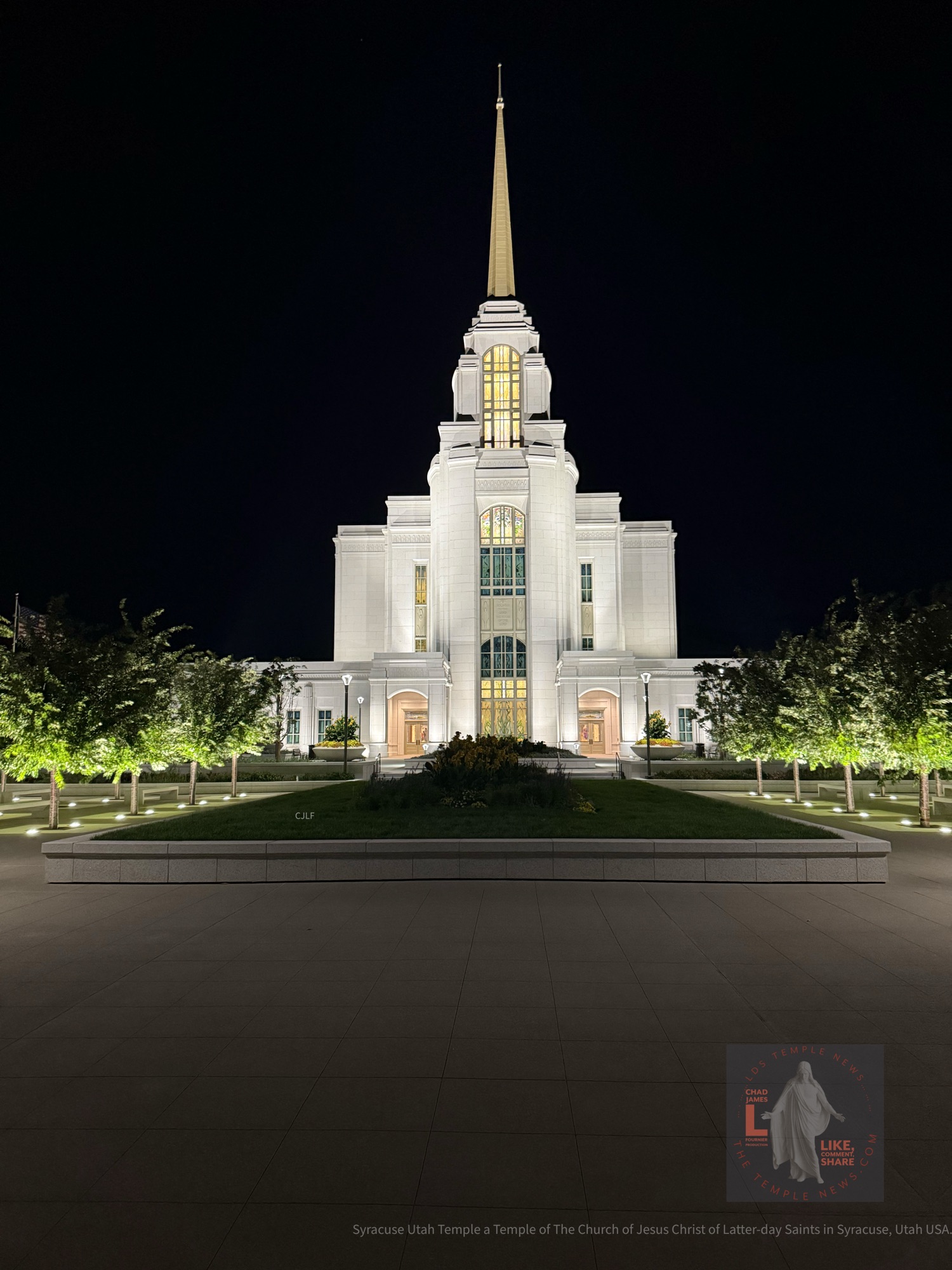
The Syracuse Utah Temple represents a significant addition to the landscape of religious devotion in Utah. As the 206th Temple in Operation and the 24th in the state, it holds a unique position in the hearts of many.
Key Facts About the Syracuse Utah Temple
Location and Construction
Located at 1098 South 2500 West in Syracuse, Utah, this Temple spans an impressive 90,526 square feet and is built on a 12-acre site. The exterior is adorned with white moncini granite, creating a visually striking appearance. The architectural design includes a single attached end spire, which makes a unique statement, though it notably excludes a gold-leafed angel moroni statue.
Historical Milestones
The journey toward the completion of this Temple began with an announcement on April 5, 2020, by Prophet Russell M. Nelson. A milestone came on June 12, 2021, when Kevin R. Duncan conducted the groundbreaking and site dedication. He acknowledged the rich heritage of faith and sacrifice passed down from the area’s pioneers, setting the stage for this new addition.
Dedication and Open House
After a public open house from May 10 to May 3, 2025, the Temple was dedicated on June 8, 2025, again by Prophet Russell M. Nelson.
Inside the Syracuse Utah Temple
Architectural Features
With a height of 219.8 feet and situated at an elevation of 4,275 feet, the Syracuse Utah Temple is designed to be both functional and beautiful. The interior includes four instruction rooms, four sealing rooms, and two baptistries, catering to various spiritual needs.
Unique Design Elements
- Exterior: The white granite finish offers a clean and elegant look.
- Spire: The single attached end spire distinguishes this Temple from others in the region.
Community Significance
As the third Temple built in Davis County, following the Bountiful Utah Temple in 1995 and the Layton Utah Temple set for completion in 2024, this Temple joins a meaningful legacy in the area.
A Closer Look at the Syracuse Utah Temple
For those who hold a Temple recommend, this sacred space provides a unique environment for reflection and spiritual activities. Its design, size, and history contribute to its importance and the impact it will have on individuals and families.
Conclusion
The Syracuse Utah Temple is more than just a physical space; it is a vibrant part of the religious tapestry in Utah. As it stands completed and open, it invites individuals to deepen their faith and participate in meaningful experiences. This Temple is poised to become a cherished part of the local landscape for generations to come.