
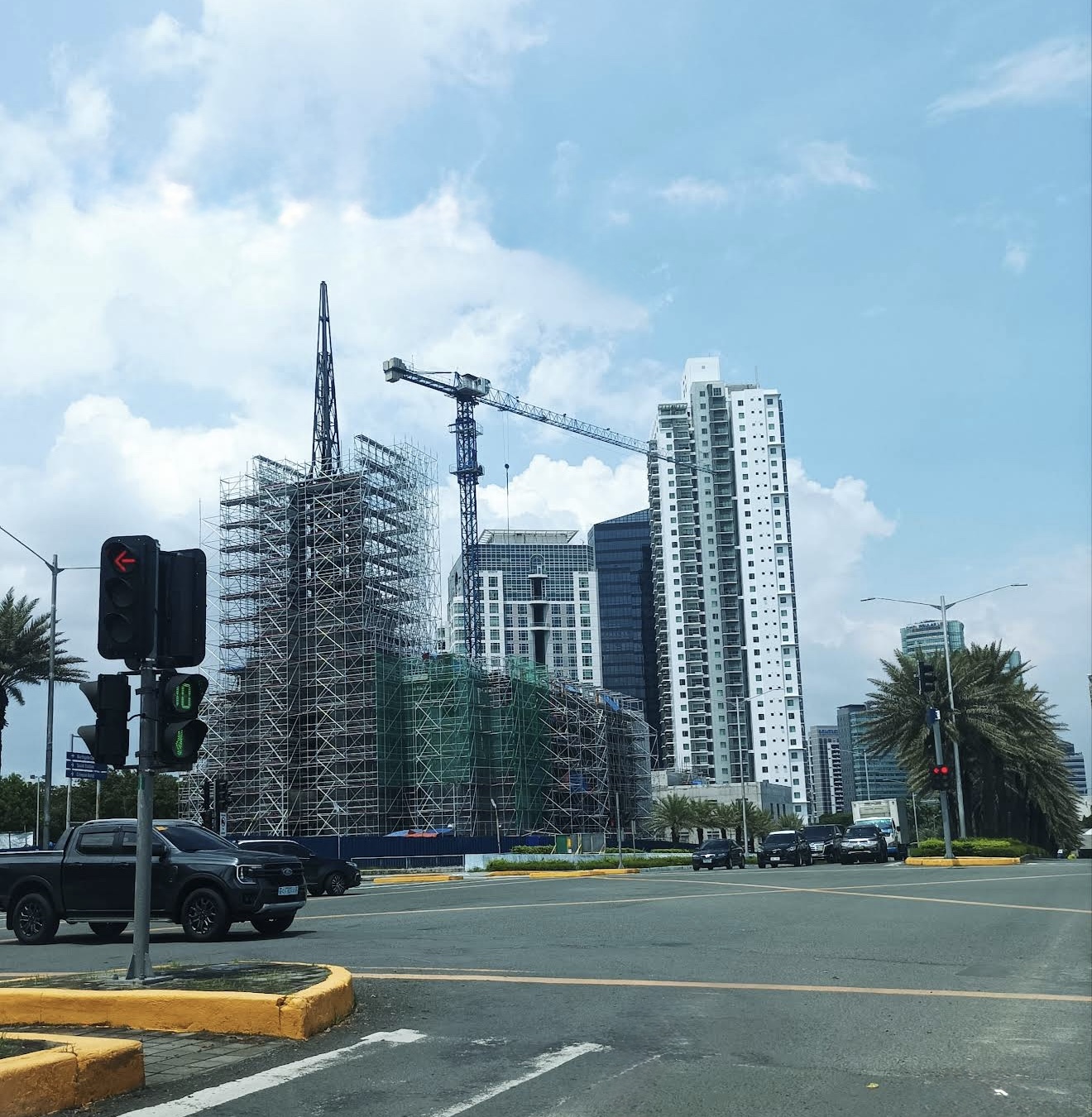
The Alabang Philippines Temple: A Detailed Overview of a New Spiritual Landmark
The Alabang Philippines Temple is on track to become a vital spiritual and community resource for members of the Church of Jesus Christ of Latter-day Saints, with a dedication date set for January 18, 2026, by Apostle David Bednar. This temple marks a significant development in the Church’s history within the Philippines, an area where membership has surged to over 900,000 and is projected to surpass one million in the near future.
Historical Background
The roots of the Church in the Philippines stretch back to 1946, when Aniceta Fajardo became the first member to be baptized. Since that time, the Church has experienced remarkable growth. The arrival of the first missionaries in 1961 laid the foundation for a thriving congregation, and the dedication of the first Philippine temple in Manila in 1984 further solidified the Church’s presence in the region. The Alabang Philippines Temple is seen as a pivotal addition to this growing legacy.
Architectural Design
Situated on 2.62 acres in Alabang, Muntinlupa City, the Alabang Philippines Temple will boast an elegant exterior made of White Oro Crystal granite, meticulously sourced from China. This material provides a visually striking feature while symbolizing purity. The temple will reach a height of 175 feet, topped by a distinct spire that epitomizes the architectural style of Latter-day Saint temples worldwide.
With a total area of 35,998 square feet, this temple is classified as a small temple according to the Church’s criteria, which designates temples between 12,000 and 40,000 square feet as ‘small.’ Despite its classification, the design prioritizes spirituality and community, creating an intimate atmosphere for worship and reflection.
Landscaping and Surrounding Environment
The grounds surrounding the temple will enhance its serene atmosphere, thoughtfully designed to promote tranquility and contemplation. The landscaping will feature a mix of 90 trees, including Manila palm, royal palm, banaba, and katmon, alongside a variety of flowering perennial plants. This diverse planting scheme will contribute to a lush, inviting environment for visitors and community members.
Interior Features and Design Elements
Inside, the Alabang Philippines Temple will embody beauty and reverence. Visitors will be welcomed by art glass windows that showcase the delicate white jasmine flower, the national flower of the Philippines. The windows are designed to allow natural light to filter through, casting a warm and inviting glow throughout the spaces.
The interior color schemes will include calming tones of cream, soft amber, green, and pink, promoting a peaceful setting conducive to meditation and prayer. Wool rugs will adorn the floors, providing both comfort and aesthetic appeal, while decorative lighting made from crystal, acrylic, and brass will illuminate the temple’s interior with elegance.
The baptistry will feature railings made from powder-coated steel, ensuring safety while maintaining a sophisticated look. The ceilings will be constructed from gypsum board and painted in antique tones, carefully designed to enhance acoustics throughout the temple.
Commitment to Quality and Local Craftsmanship
A hallmark of the Alabang Philippines Temple’s construction is its commitment to high-quality materials and local craftsmanship. The temple’s mahogany doors, sourced from Africa, will be intricately designed, featuring motifs that pay homage to the local culture.
Furnishings and decorative elements within the temple will reflect a diverse sourcing approach; they will come from local Filipino artisans as well as locations in North Carolina, Vietnam, and Murray, Utah. This emphasis on localized materials not only supports the economic fabric of the community but also honors the cultural identity of the Philippines.
Conclusion: A Catalyst for Spiritual Growth
The Alabang Philippines Temple is set to become a cornerstone for the community, providing a sacred space where families can gather for worship and participate in important religious ordinances. This temple embodies hope, faith, and the strengthening of familial bonds, offering a place for personal reflection and spiritual growth.
As the dedication day draws near, there is palpable excitement within the congregation and among community residents. January 18, 2026, will herald a new chapter in the spiritual journey of many, reinforcing the enduring values of faith and community connection. The Alabang Philippines Temple promises to be more than merely a building; it will be a vibrant center of spiritual life and support for generations to come.