
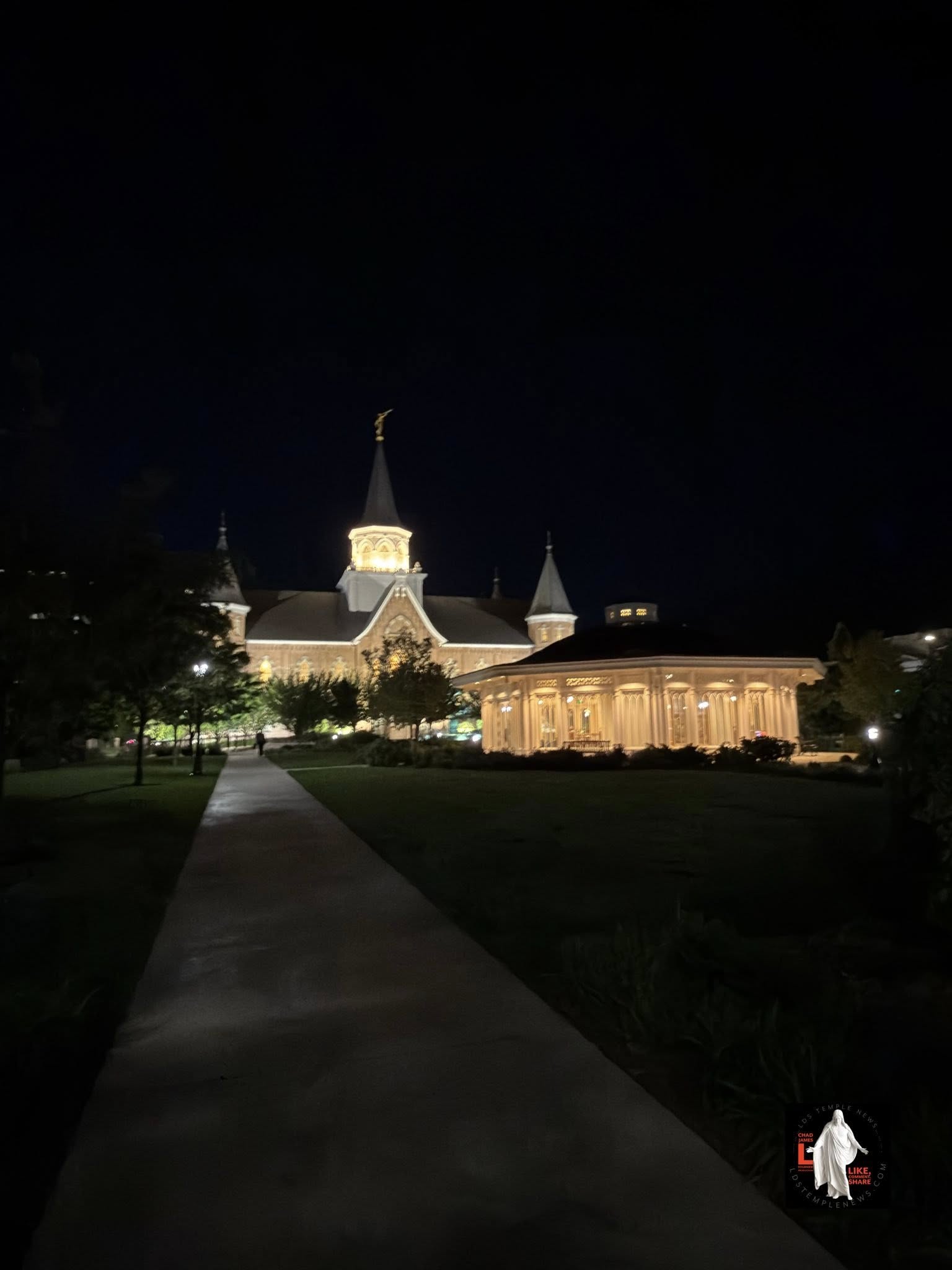
From Ashes to Sacred: The Remarkable Rebirth of the Provo City Center Temple
The Provo City Center Temple stands as a beautiful tribute to dedication and craftsmanship, reflecting the deep-rooted history and vibrant spirit of Provo, Utah. This impressive edifice is a significant addition to the area, catering to the needs of a growing congregation and serving as a place of tranquility and learning.
The Journey to Its Establishment
Announcement and Groundbreaking
The announcement for the new Provo City Center Temple was made on October 1, 2011, by President Thomas S. Monson during the general conference. He noted the increasing attendance at the existing Provo Temple, emphasizing the need for an additional space to support the faithful community in the region. Groundbreaking for this ambitious project took place on May 12, 2012, led by Elder Jeffrey R. Holland of the Quorum of the Twelve Apostles. Notably, over 5,600 individuals attended the groundbreaking ceremony, demonstrating the excitement and anticipation surrounding the new addition.
Open House and Dedication
An extensive open house occurred from January 15 to March 5, 2016, allowing the public to explore the interiors of the Provo City Center Temple. This unique opportunity drew more than 800,000 guests. The temple was officially dedicated on March 20, 2016, during a series of sessions presided over by Elder Dallin H. Oaks and President Russell M. Nelson.
Architectural Marvel
Design Elements and Features
Covering an area of 85,084 square feet and reaching a height of 150 feet, the Provo City Center Temple showcases a striking design. The exterior is adorned with red sandstone bricks and arched art-glass windows, resulting in a harmonious blend with the surrounding landscape.
At each of the four corners, blue conical towers rise elegantly, complemented by a central white tower. The roofing features blue gables, adding to the temple’s visual appeal and distinctiveness.
Interior Aesthetics
The inside of the Provo City Center Temple embraces Victorian influences, preserving the historic essence of the original Provo Tabernacle. Beautiful floral motifs are evident throughout the interior, featuring intricate wood carvings of columbine flowers and stunning art glass depictions of lotus flowers and sunflowers.
Luxurious materials such as African mahogany and walnut accentuate the staircases, railings, and furniture. Among the most notable pieces is an oval-shaped baptistry font crafted from rose gold granite sourced from India. Additionally, a stunning stained-glass representation of Christ, salvaged from a demolished Presbyterian church in New York, graces the main entrance, melding history with contemporary design.
A Cultural Celebration
On the eve of the dedication, a vibrant cultural celebration titled “Beauty for Ashes” brought together 4,500 youth at Brigham Young University’s Marriott Center. The event featured performances and presentations celebrating the rich heritage of the area. Church leaders, including President Russell M. Nelson, attended the celebration, marking an exciting milestone leading up to the temple’s dedication.
Significance in the Heart of Provo
As both a physical and spiritual cornerstone for residents, the Provo City Center Temple serves a vital role in providing a space for reflection and connection. Its rich history, stunning architecture, and deep cultural ties make it an integral part of the Provo landscape.
Conclusion
The Provo City Center Temple embodies a blend of history, artistry, and faith. Its establishment speaks volumes about the growth and aspirations of its community, making it a celebrated addition to the Utah landscape. Whether through its stunning architecture or deep-rooted traditions, this remarkable addition continues to leave an indelible mark on all who learn about its story.
Visiting the Provo City Center Temple
For those interested in exploring more about this incredible addition, consider checking out local resources or engaging with community members who can share their experiences and insights. The Provo City Center Temple stands ready to enrich understanding and appreciation for its historic and artistic legacy.