Exploring the Provo City Center Temple: A Living Testament of Faith and Heritage
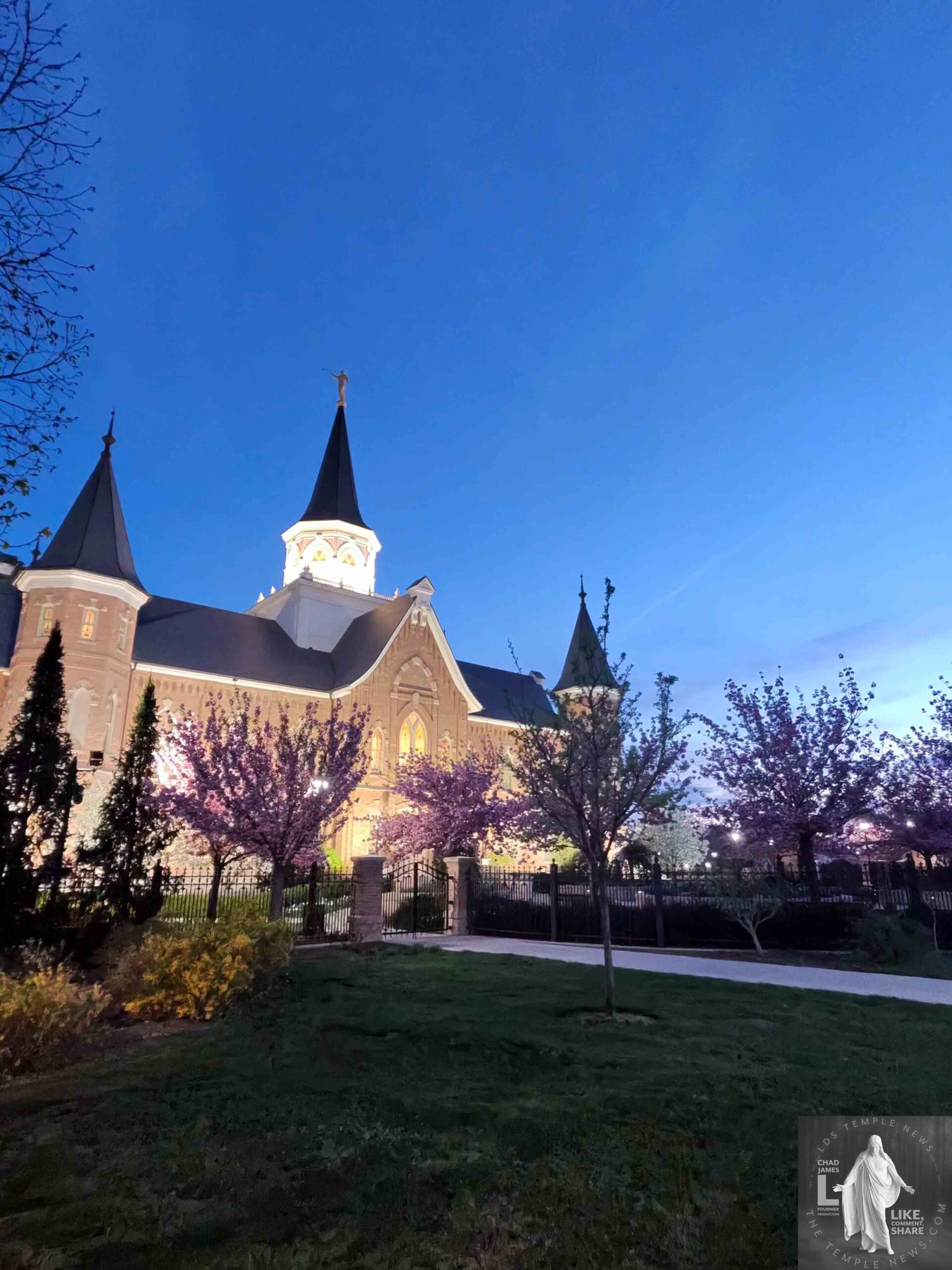
Nestled in the heart of Provo, Utah, the Provo City Center Temple stands as the 150th dedicated Temple in operation, a significant milestone in the ongoing legacy of temples worldwide. With its address at 50 South University Avenue, this remarkable edifice is more than just a building; it’s a vibrant embodiment of faith and the community’s lineage.
Historical Roots
The Provo City Center Temple’s journey began on October 1, 2011, when President Thomas S. Monson announced its construction during the Semiannual General Conference. He emphasized the importance of Temples as places where eternal relationships are forged, expressing gratitude for their presence in the lives of church members.
After the groundbreaking ceremony led by Elder Jeffrey R. Holland on May 12, 2012, the transformation of the previous tabernacle began. Prior to its conversion, a tragic accidental fire in 2010 had enveloped the original building, marking a pivotal moment in its history. The extensive renovations revived the spirit of the edifice, culminating in its dedication on March 20, 2016, by President Dallin H. Oaks.
Architectural Marvel
The Temple occupies 5.6 acres and boasts a total area of an impressive 85,084 square feet. With a height of 150 feet, its striking red brick exterior features a central spire surrounded by four corner spires. Crowning the structure is the striking 13-foot tall Angel Moroni, which was installed on March 31, 2014. This architectural design harmonizes traditional and modern influences, creating an aesthetic that resonates with visitors and locals alike.
Inside, the Temple encompasses a variety of spaces, including three instruction rooms, five sealing rooms, and one baptistry. The building is organized across four levels—two above ground and two below. The lower levels house the baptistry, dressing rooms, offices, and a bridal room, while the upper levels feature endowment rooms, sealing rooms, and lobbies.
Community Engagement
Before its transformation into a Temple, the original building was a bustling center of activity, having hosted General Conference sessions in 1886 and 1897. Today, it continues to serve as a focal point in the Provo business district, complemented by a Victorian pavilion across the street, which includes a basement connected to the Temple’s own basement.
The parking facilities accommodate up to 245 vehicles in a basement garage, with an additional 50 spots available on the main level, ensuring accessibility for those who cherish this sacred space.
Concluding Thoughts
The Provo City Center Temple stands not only as a physical edifice but as an important force in the heritage and faith of the region. From its historical roots and architectural beauty to its role in educational outreach in local institutions like Brigham Young University and Utah Valley University, the Temple contributes to the rich tapestry of life in Provo.
Through its design, function, and community involvement, the Provo City Center Temple serves as a lasting tribute to the principles and values held dearly by those who serve and engage with it.