
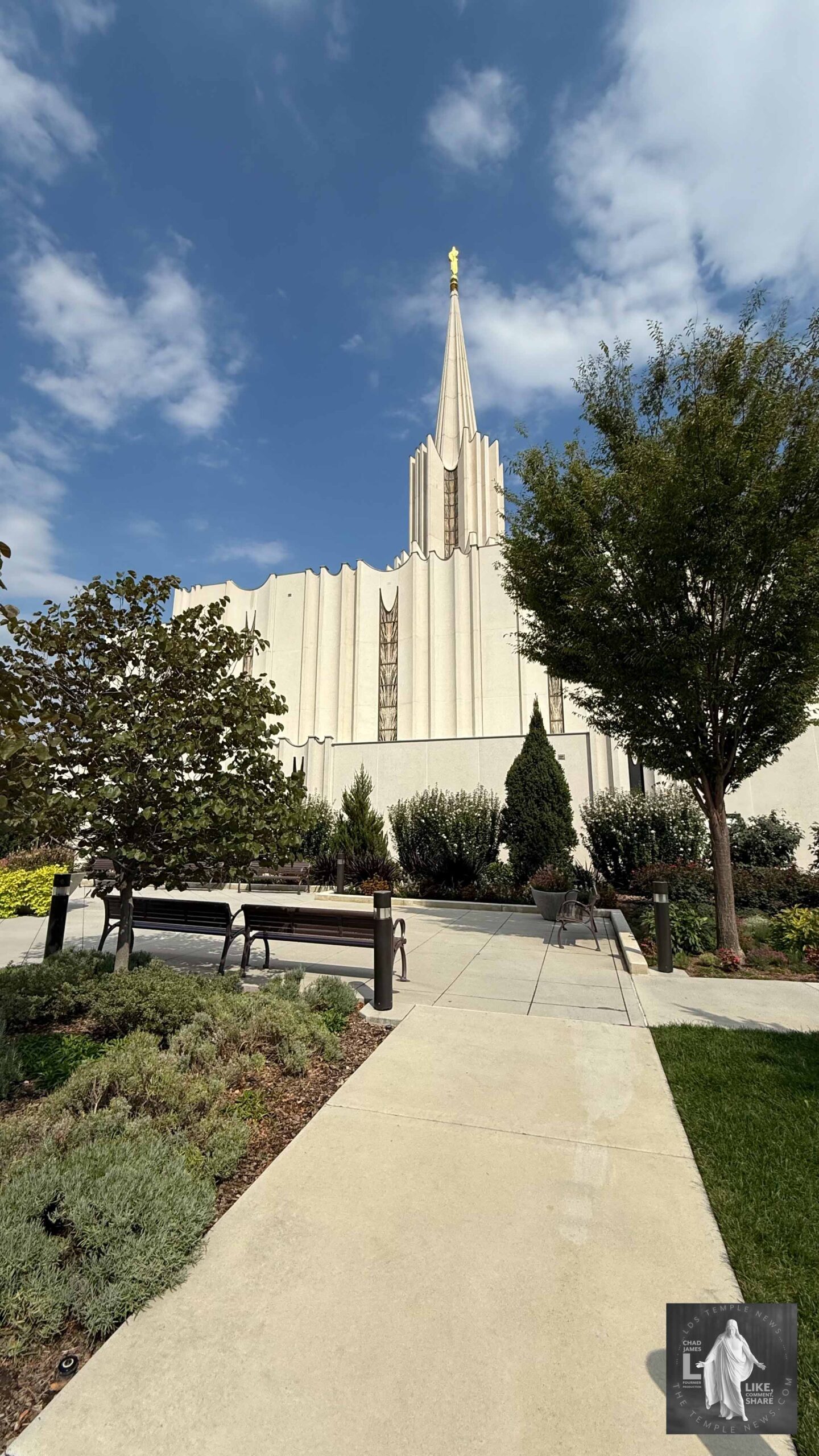
Discovering the Jordan River Utah Temple
The Jordan River Utah Temple, situated at 10200 S Temple Drive in South Jordan, Utah, holds the distinction of being the 20th dedicated Temple in operation. This significant location stands as a testament to the enduring beliefs held within the community.
Visit the Jordan River Utah Temple by LDS Temple News
Originally announced on February 3, 1978, the Jordan River Utah Temple has a rich history. Notably, the groundbreaking took place on June 9, 1979, presided over by Prophet Spencer W. Kimball. A public open house followed from September 29, 1981, until October 31, 1981, allowing the public to explore its ornate design and features.
In a momentous dedication event from November 16 to November 20, 1981, the Temple was blessed by Apostle Marion G. Romney. After years of faithful service, the Temple closed for extensive renovations on February 15, 2016. It reopened with a second public open house from March 17, 2018, to April 28, 2018, culminating in a rededication on May 20, 2018, led by Apostle Henry B. Eyring.
Unique Architectural Features
The Jordan River Utah Temple spans an impressive 148,236 square feet and stands at a height of 219 feet, sitting at an elevation of 4,438 feet. The architectural design includes a central spire topped by a gold-leafed painted Angel Moroni statue, which is a notable feature in many Temples.
Exterior and Interior
The exterior finish combines cast stone with white marble chips. Interestingly, while the tower appears to be made of the same material, it incorporates fiberglass in a product named cemlite for weight reduction. Inside, the Temple houses six instruction rooms, sixteen sealing rooms, and one baptistry, making it one of four Temples with six instruction rooms, alongside the Ogden Utah Temple, the Provo Utah Rock Canyon Temple, and the Washington D.C. Temple.
Renovations and Upgrades
The recent renovations included substantial updates while maintaining the original floor plan. Key improvements featured the remodeling of the Celestial Room, bride’s room, and initiatory areas. A separate entrance for the baptistry was also added, and both the interior and exterior saw refreshing embellishments, including new furnishings and artwork.
Moreover, modernization was a priority; outdated mechanical and electrical systems were replaced with contemporary equipment, and landscaping enhancements beautified the Temple grounds significantly.
The Legacy of the Jordan River Utah Temple
Originally named the Jordan River Temple, this significant location was renamed in 1999. It is noteworthy for being the seventh Temple built in Utah and the second in the Salt Lake Valley. Notably, it, along with the Oquirrh Mountain Utah Temple, marks the distinction of being the first pair of Temples built in the same city.
Furthermore, only five Temples globally feature an Angel Moroni statue holding the gold plates, of which the Jordan River Utah Temple is one. The construction and upkeep of this Temple have been made possible through the generous monetary donations from local members, and the site itself was gifted to the Church, illustrating the enduring spirit of contributions to the Temple mission.
In summary, the Jordan River Utah Temple stands not only as a center for faith-driven activities but also as a notable achievement in architectural design and community commitment. Its history, architectural splendor, and recent renovations contribute to its significance, making it a point of interest in South Jordan, Utah.