
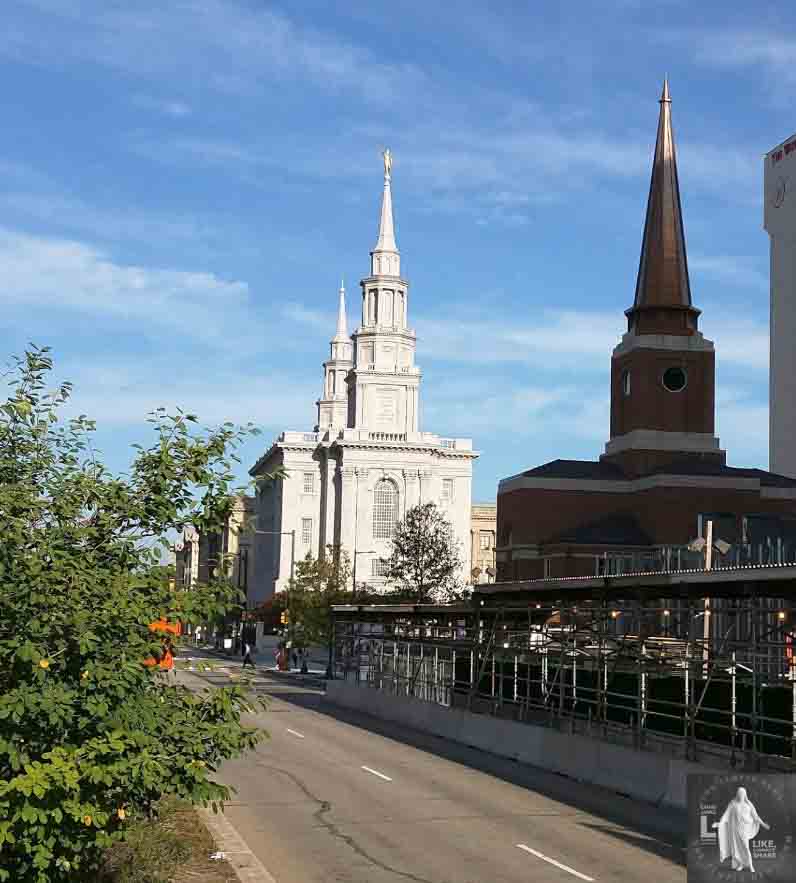
Exploring the Philadelphia Pennsylvania Temple
The Philadelphia Pennsylvania Temple stands as the 152nd dedicated Temple of its kind and is located at 1739 Vine St, Philadelphia, Pennsylvania 19103. This extraordinary building serves as a spiritual center for many, reflecting the values and teachings of the faith it represents.
Visit the Philadelphia Pennsylvania Temple by LDS Temple News
The journey to the Philadelphia Pennsylvania Temple began with an announcement by the Prophet at the General Conference on October 4, 2008. Subsequent milestones included its groundbreaking and site dedication on September 17, 2011, where Apostle Henry B. Eyring presided over the event. This date also marked the 224th anniversary of the signing of the Constitution at Independence Hall. The event attracted local leaders, including Mayor Michael Nutter, who joined Church authorities in celebrating this significant occasion. President Eyring highlighted the importance of such buildings, stating they embody the essence of religious devotion.
The Temple opened its doors for an extensive public open house from August 10 to September 9, 2016, during which an impressive 140,000 individuals experienced its beauty. The official dedication occurred on September 18, 2016, also led by Apostle Henry B. Eyring, aligning with the 240th anniversary of the signing of the Declaration of Independence at the Pennsylvania State House. During the dedicatory prayer, President Eyring expressed gratitude for the Constitution and its role in safeguarding freedom.
Architecture and Design
Constructed on 1.6 acres, the Philadelphia Pennsylvania Temple encompasses a total of 61,466 square feet and reaches a height of 208 feet 2 inches across four stories. The exterior features granite sourced from Maine, while the building is designed to harmonize with the neoclassical architecture found throughout historic Philadelphia, particularly echoing the clock tower of Independence Hall.
Key Architectural Features
- Angel Moroni Statue: Prominently positioned atop the east spire, this statue is 21 feet 2 inches tall and crafted from fiberglass with gold leafing.
- Interior Layout: The Temple includes two instruction rooms, four sealing rooms, and one baptistry, designed with a focus on elegance and tradition.
- Art Glass: Exterior art glass incorporates opalescent white with beige and blue accents, while interior murals and decorative elements depict significant historical narratives.
Decorative Elements
The interior showcases walls and ceilings enhanced with various shades of white, featuring applied plaster molding and decorative ceiling ornamentation. Rooms boast unique design elements, from Doric and Ionic to Corinthian styles, each room displaying its distinct crown moldings. The baptistry’s railing is a beautiful blend of bronze and glass, inspired by surrounding historic themes.
Landscaping and Surroundings
The Temple grounds are adorned with a selection of trees, shrubs, and flowers native to the eastern United States, chosen specifically for their ability to provide year-round color and texture. The landscape complements the fountain and enhances the overall aesthetic of the area.
Iconic Statues
It’s notable that the Angel Moroni statue on this Temple faces a statue of William Penn, the founder of Pennsylvania, located on City Hall approximately half a mile away. This unique positioning symbolizes a connection between the two significant figures and their contributions to the city.
Conclusion
The Philadelphia Pennsylvania Temple not only enriches the cultural and spiritual landscape of Philadelphia but also serves as a beacon of faith and community values. With its intricate design, historical significance, and dedication to tradition, the Temple stands proudly as an exceptional addition to the city’s architectural heritage.
Philadelphia Pennsylvania Temple by LDS Temple News