
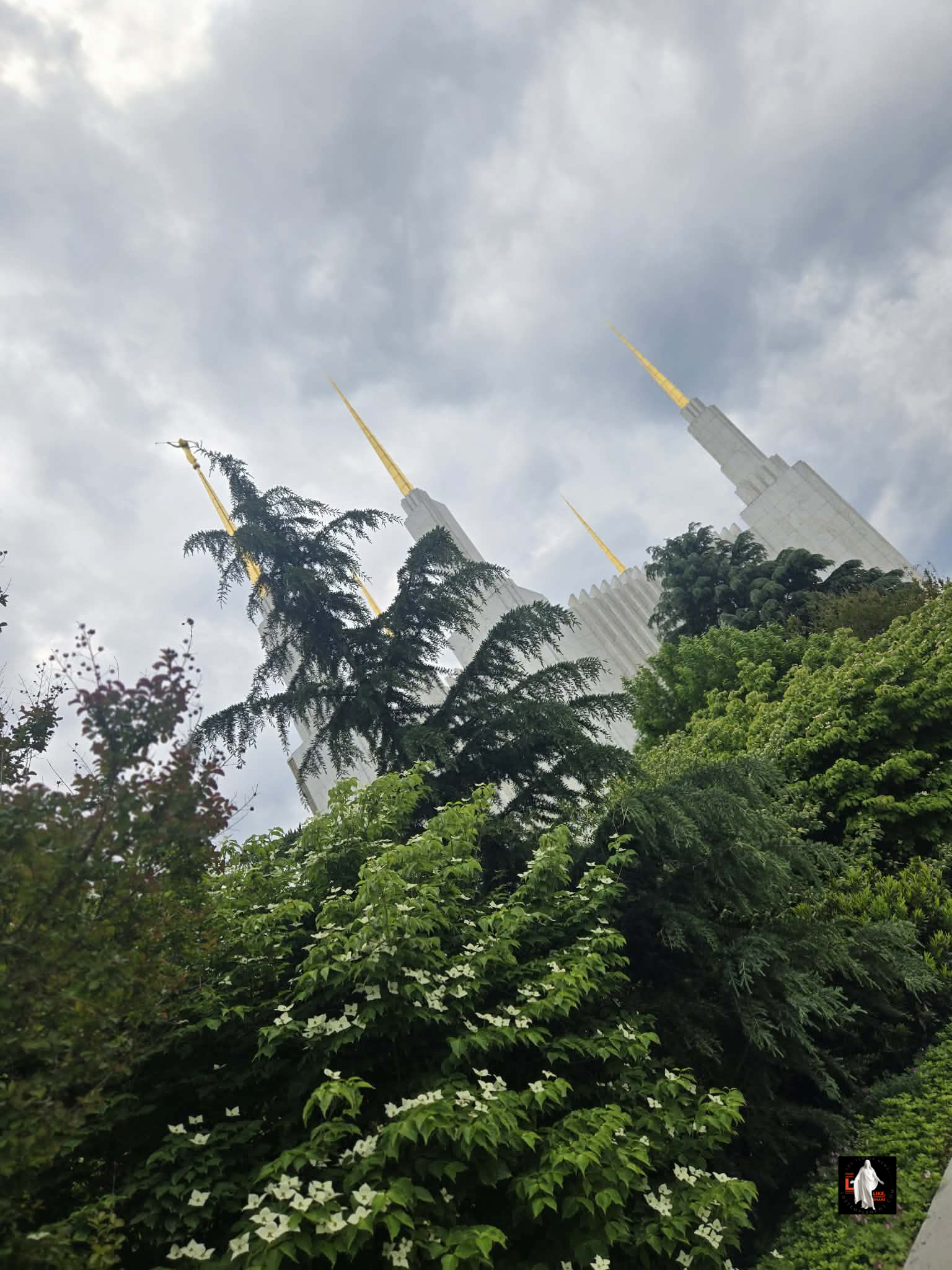
Discovering the Washington D.C. Temple
The Washington D.C. Temple, an iconic representation of faith and dedication, stands as the 16th Temple of The Church of Jesus Christ of Latter-day Saints. Nestled in Kensington, Maryland, this extraordinary place invites exploration for all who wish to learn about its significance and beauty.
History and Construction
The history of the Washington D.C. Temple began on November 15, 1968, when the announcement was made to construct this remarkable edifice. Shortly thereafter, on December 7, 1968, the groundbreaking and site dedication took place, led by Hugh B. Brown. This marked the beginning of what would become a deeply meaningful addition to the region.
The Temple opened its doors to the public for the first time from September 17, 1974, through November 2, 1974, allowing 758,328 guests to tour its impressive halls. Its first dedication occurred shortly after, from November 19 to 22, 1974, by Prophet Spencer W. Kimball.
In a significant milestone, the Temple underwent a second dedication on August 14, 2022, led by Prophet Russell M. Nelson, illustrating its enduring importance to the faith community.
Architecture and Design
Covering 52 acres, the Washington D.C. Temple features stunning architecture. The exterior finish consists of reinforced concrete sheathed in 173,000 square feet of Alabama White Marble, giving it a striking presence against the skyline. At a height of 288 feet, this Temple holds the title of being the tallest among its peers in the Church.
Washington D.C. Temple Unique Features
Inside, the Washington D.C. Temple encompasses 156,558 square feet. It includes six instruction rooms, ten sealing rooms, and one baptistry, making it one of only four temples worldwide with six instruction rooms, and the only one situated outside of Utah. The other temples with this feature include the Ogden Utah Temple, the Provo Utah Rock Canyon Temple, and the Jordan River Utah Temple.
The Temple is also known for its eight bronze medallions, which represent themes of creation, mortality, and the degrees of glory. These intricate designs adorn both gates and doors, capturing the imagination with depictions of celestial bodies and concentric circles that denote eternity.
A Feast for the Senses
Stained Glass Artwork
One of the most captivating elements of the Washington D.C. Temple is its beautiful stained glass windows. Running the full length of the end towers, these windows showcase a spectrum of colors, from vibrant oranges and reds to tranquil blues and whites. They embody the continuous journey toward the divine, emphasizing the purity that can be achieved when one focuses on higher aspirations.
The Angel Moroni
Notably, the Washington D.C. Temple features a magnificent 18-foot statue of the angel Moroni, a cherished figure in the faith. This statue holds the gold plates in his left hand and a trumpet in his right, symbolizing the important role Moroni plays in the teachings of the Church. It stands alongside four other temples across the globe featuring this highly revered statue.
The Floors of Creation
The design of the Temple is also symbolic in its layout; it consists of seven floors, representing the six days of creation and the day of rest. This thoughtful design invites contemplation and reflection, allowing individuals to connect with the deeper meanings behind the architecture.
Conclusion
The Washington D.C. Temple is not just a place of beauty; it is a testament to faith, dedication, and community values. With its rich history, stunning design, and thoughtful symbolism, it holds a unique position in the landscape of Maryland and the wider faith community. The Temple continues to inspire countless individuals and offers a glimpse into the profound beliefs held by those who cherish it and the work done within. Whether you’re drawn by its history, its architectural elegance, or its spiritual significance, the Washington D.C. Temple offers a wealth of insight and appreciation for all who come to learn about its legacy and work we do.