
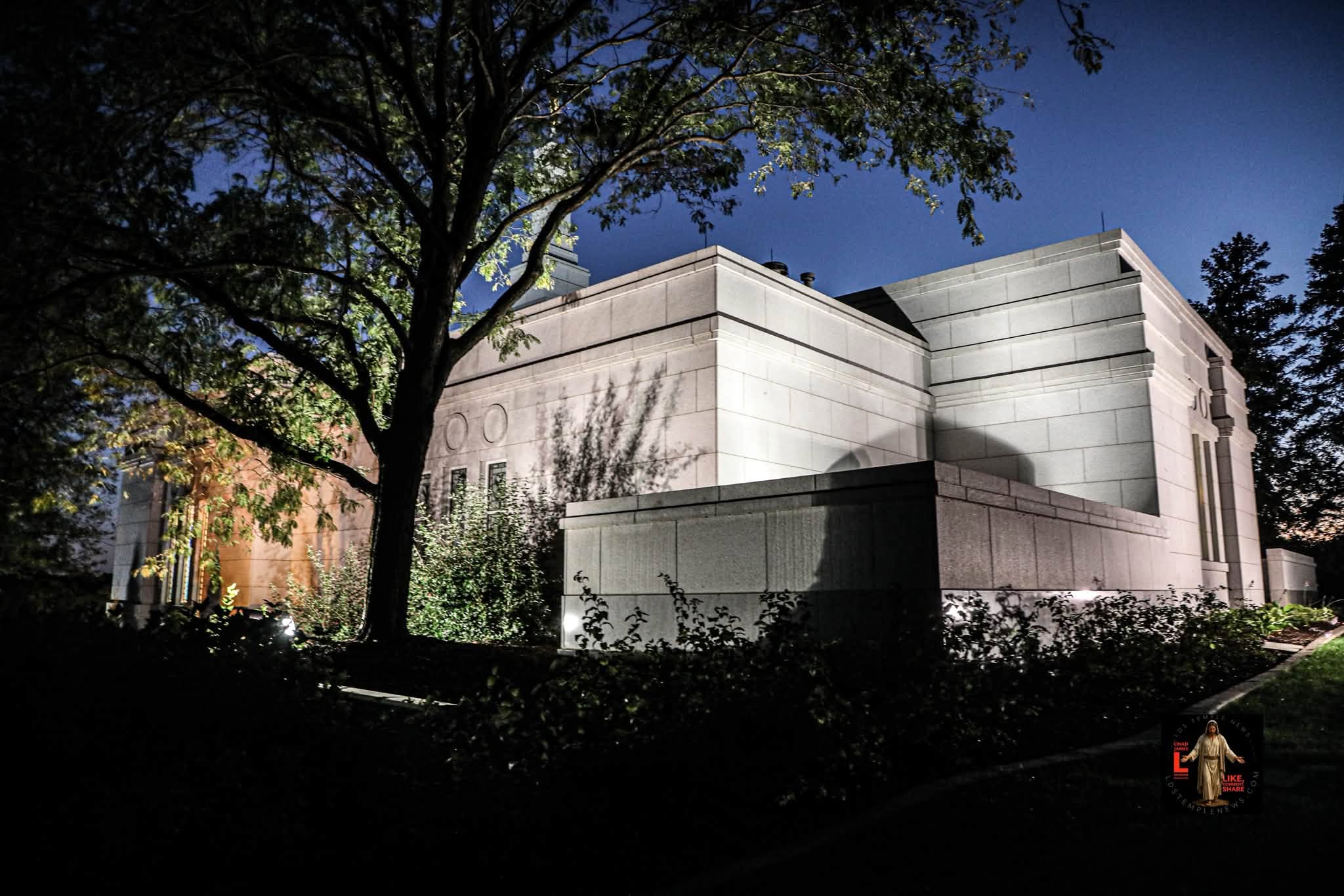
Winter Quarters Nebraska Temple Photography in focus by LDS Temple News
The Winter Quarters Nebraska Temple stands as the 104th dedicated Temple and features a rich history intertwined with the pioneering spirit central to its location. Nestled at 8283 N 34th St, Omaha, Nebraska 68112, this remarkable site encapsulates profound stories and artistic expressions that reflect an important chapter in the history of The Church of Jesus Christ of Latter-day Saints.
Historical Significance
The announcement of the Winter Quarters Nebraska Temple was made on June 14, 1999, by the Prophet Gordon B. Hinckley, sparking excitement among members. On November 28, 1999, the groundbreaking and site dedication took place, led by Hugh W. Pinnock, marking the commencement of construction on this sacred ground.
After a public open house from March 30 to April 14, 2001, where hundreds attended, the Temple was dedicated on April 22, 2001, by Prophet Gordon B. Hinckley. Spanning 1.92 acres, the Temple stands with an impressive height of 86 feet, featuring a striking exterior finish of Bethel white granite.
Architectural Features
The architectural design includes a single attached end spire topped with a gold-leafed Angel Moroni Statue. Inside, the Winter Quarters Nebraska Temple boasts 16,000 square feet, accommodating two instruction rooms, two sealing rooms, and a baptistry, all within two stories.
Artistic Elements
The Temple is adorned with exquisite art and stained glass that encapsulate pioneer history. The windows tell stories of the western trek, including significant moments such as William Clayton writing “Come, Come, Ye Saints” and poignant depictions of pioneer families. Symbolic geometric patterns, such as cabin quilt designs, pay homage to the resilience of the pioneers.
One noteworthy feature is the depiction of the River of Life, which incorporates pulverized crystal, resonating with the theme of “living water.” Other significant elements include flora and celestial imagery, which celebrate the state flowers of the five states crossed by the pioneers.
Contributions from Artists
The interior of the Winter Quarters Nebraska Temple features works from notable artists, including Walter Rane and C.C.A. Christensen. The craftsmanship extends to light fixtures made of brass and crystal elements, with solid cherry interior doors complemented by cast bronze hardware. Exterior doors are also made of bronze, while railings around the baptismal font utilize bronze and etched glass.
A Sister Temple
Interestingly, the Winter Quarters Nebraska Temple is a sister building to the Snowflake Arizona Temple, with the same foundational design applied to the Quetzaltenango Guatemala Temple, albeit with some modifications. This Temple joins two others built at historically significant locations—Palmyra, New York, and Nauvoo, Illinois—enhancing its importance within the context of early Church history.
A Historical Context
The dedicatory services were broadcast via the Church’s encrypted satellite system, reaching stake centers and facilities across North America. Elder Hugh W. Pinnock reflected on the groundbreaking in the context of a broader history that included significant sites such as Kirtland, Ohio, and Palmyra, New York. Omaha Mayor Hal Daub also acknowledged the site’s historical significance, emphasizing its relevance to both the Church and the city of Omaha.
The Winter Quarters Nebraska Temple is not just a place of pilgrimage; it stands as a testament to perseverance, history, and spiritual aspirations. The beauty and thoughtfulness of its design, coupled with its rich historical narrative, offer insight into the experiences of early Church members and their collective heritage.