
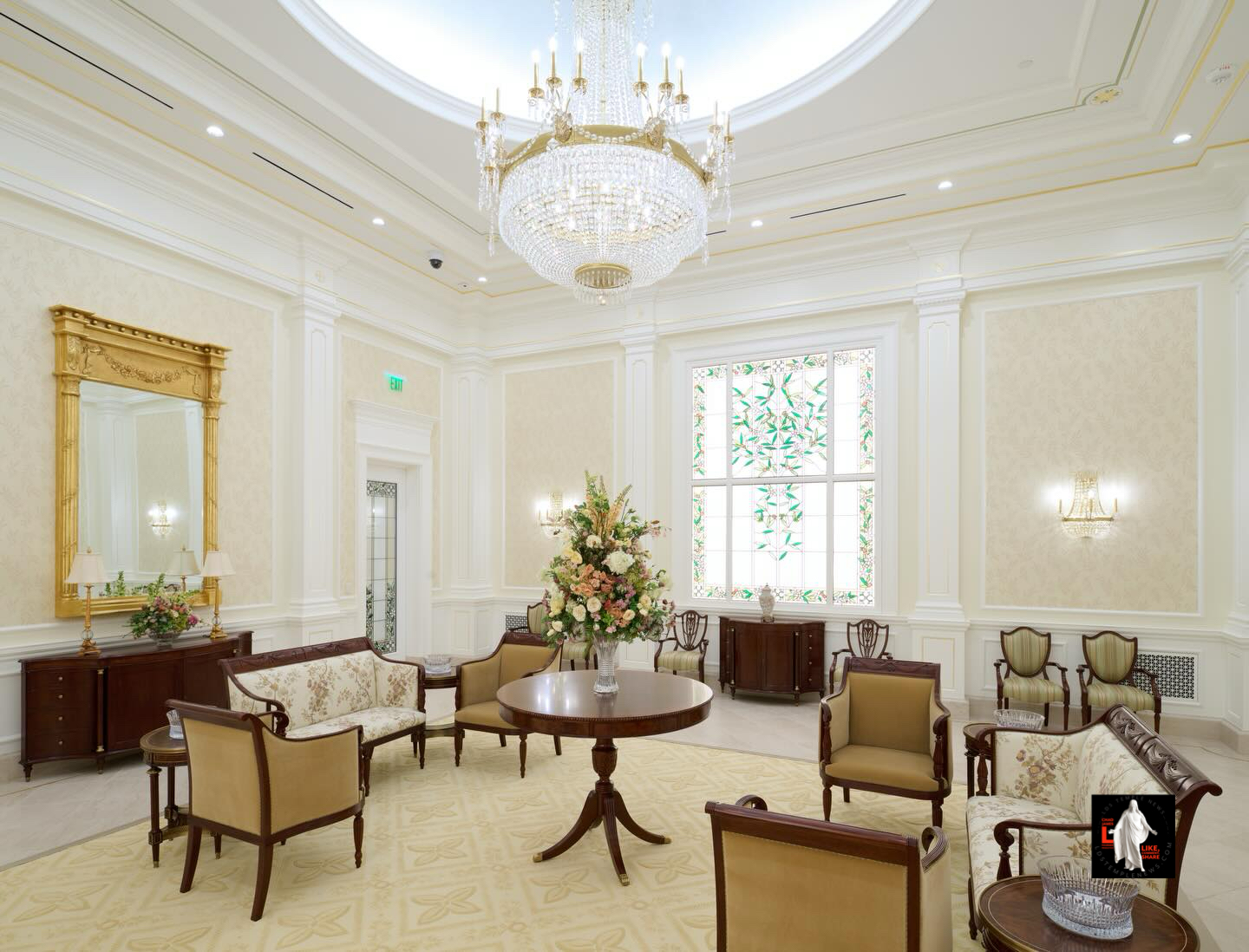
The Celestial Room: Sacred Beauty in LDS Temples
A Comprehensive Guide to Understanding the Church’s Most Heavenly Space
The celestial room represents the pinnacle of sacred architecture and spiritual experience within temples of The Church of Jesus Christ of Latter-day Saints. For millions of members worldwide, stepping into a celestial room is stepping into a representation of heaven itself—a moment of transcendent beauty that connects earth to eternity. This comprehensive guide explores every facet of these extraordinary spaces.
Introduction: The Heart of Temple Worship
In LDS temples, the celestial room holds a place of supreme spiritual significance. It is the destination toward which all temple ordinances lead, the final chamber in a sacred journey, and a space designed to inspire awe, peace, and divine connection.
Unlike other rooms in the temple where specific rituals are performed, the celestial room exists primarily for personal spiritual experience. It is a room of quiet majesty—elegant, peaceful, and deliberately designed to evoke feelings of heavenly glory and eternal peace.
The Architectural Significance
Purpose and Design Philosophy
The celestial room serves multiple architectural and spiritual purposes:
- Symbolic Representation – It visually represents the celestial kingdom, the highest degree of glory in LDS theology
- Spiritual Culmination – It provides the final destination of the endowment ceremony
- Sacred Sanctuary – It creates a dedicated space for prayer and personal spiritual experience
- Aesthetic Expression – It demonstrates that beauty itself can be an expression of divine truth
Every element of design—from the placement of windows to the selection of materials—is intentional and purposeful.
Common Architectural Elements
While each celestial room is unique, certain architectural principles appear across all LDS temples:
Elevated Positioning
Most celestial rooms are positioned on the upper floors of temples, literally and symbolically placing them closer to heaven. This elevation creates both a physical and psychological sense of drawing near to the divine.
Spacious Proportions
Celestial rooms typically feature generous ceiling heights and open floor plans that prevent a cramped or claustrophobic feeling. The spaciousness suggests infinite possibilities and the boundlessness of eternity.
Symmetrical Design
Many celestial rooms employ symmetrical architectural elements, creating visual harmony and a sense of perfect order—qualities associated with divine organization.
Central Focus Points
Most feature a central focal point—whether a chandelier, window, or architectural feature—that naturally draws the eye and creates a sense of unity within the space.
Visual Description of a Typical Celestial Room
The Moment of Entry
Upon entering a celestial room, visitors typically encounter:
- Soft, welcoming light that seems to emanate from every direction
- An immediate sense of peace that is almost palpable
- Visual beauty that can be genuinely overwhelming to first-time visitors
- An atmosphere of reverence created by the quiet presence of others in prayer
The transition from the previous rooms of the temple to the celestial room is intentional and dramatic—a movement from instruction and ordinance to contemplation and peace.
Color Palettes and Lighting
The Dominant Color Scheme
Celestial rooms characteristically feature:
- Whites and creams – suggesting purity and light
- Soft golds and brass accents – representing divine glory and celestial light
- Pale earth tones – creating warmth without earthiness
- Occasional jewel tones – in furnishings or accent pieces, suggesting eternal beauty
The overall effect is luminous—the room seems to glow with an inner light.
Lighting Design
Sophisticated lighting design is crucial to the celestial room experience:
- Chandeliers – often crystal or brass, serving as focal points and sources of warm light
- Recessed lighting – providing ambient illumination without visible fixtures
- Natural light – carefully controlled through positioned windows
- Wall sconces – offering soft, indirect lighting that flatters the space
- Strategic shadowing – creating depth and visual interest without harsh contrasts
The lighting is always designed to be flattering, peaceful, and conducive to spiritual reflection rather than practical task lighting.
Flooring Materials
Celestial room floors typically feature:
- High-quality carpeting – often cream, white, or soft gold, providing acoustic dampening
- Marble accents – in borders or specific areas, suggesting permanence and celestial beauty
- Polished materials – reflecting light and contributing to the luminous quality of the space
- Seamless transitions – between different areas without jarring changes
The flooring is always designed for comfort during extended periods of kneeling in prayer.
Furniture and Furnishings
Seating Arrangements
Celestial rooms feature multiple types of seating to accommodate different prayer preferences:
Comfortable Chairs
- High-quality upholstered chairs arranged in conversational groupings
- Often featuring brass or wooden frames
- Positioned to face toward the center of the room or toward windows
- Designed for comfortable sitting during extended prayer sessions
Kneeling Benches
- Specially designed benches padded for comfort during prayer
- Often positioned in front of chairs or in designated prayer areas
- Feature handrails or supports for those who need assistance
- Arranged to allow families to kneel together
Family Seating
- Larger seating arrangements designed for family groups
- Often positioned in alcoves or specific areas
- Allow multiple family members to sit together comfortably
Decorative Elements
Artwork and Sculptures
Many celestial rooms feature carefully selected artwork:
- Religious paintings – depicting heavenly or spiritual themes
- Sculptures – often of marble or bronze, symbolizing eternal beauty
- Architectural details – serving both functional and aesthetic purposes
Plants and Floral Elements
- Well-maintained plants and flowers are often present
- Always arranged tastefully to enhance rather than clutter the space
- Suggest growth, life, and divine creation
Mirrors and Reflective Surfaces
- Strategically placed to multiply light and create a sense of spaciousness
- Never used in ways that would distract from the spiritual purpose
- Help create an open, airy feeling
Specific Examples of Notable Celestial Rooms
The Salt Lake Temple Celestial Room
The celestial room of the Salt Lake Temple is among the most iconic in the Church:
Distinctive Features:
- Grand Crystal Chandelier – A spectacular centerpiece that hangs from the ceiling, featuring multiple tiers of crystals that catch and refract light throughout the room
- Elegant Proportions – High ceilings and spacious layout that convey grandeur and peace
- Beautiful Windows – Large windows positioned to allow natural light while maintaining privacy and reverence
- Fine Furnishings – Carefully selected period furniture that reflects quality and timelessness
- Marble Accents – White marble details that emphasize purity and celestial beauty
- Arched Architectural Details – Creating a sense of elevation toward heaven
Historical Significance:
Built in 1893, the Salt Lake Temple’s celestial room has been a place of spiritual experience for generations. Recent renovations have restored it to its original grandeur while incorporating modern comfort elements.
The Los Angeles Temple Celestial Room
The Los Angeles Temple features a celestial room reflecting mid-twentieth-century American design:
Distinctive Features:
- Clean, modernist lines – Reflecting the architectural style of the era
- Abundant natural light – From carefully positioned windows overlooking the grounds
- Serene color palette – Whites and soft tones creating a peaceful atmosphere
- Elegant simplicity – Avoiding ornamentation in favor of pure beauty
- Accessible design – Accommodating visitors of all physical abilities
The Tokyo Temple Celestial Room
Demonstrating how celestial room design adapts to different cultures:
Distinctive Features:
- Japanese-inspired design elements – While maintaining the sacred principles of all celestial rooms
- Careful integration of natural materials – Following Japanese aesthetic principles
- Harmony between tradition and modernity – Blending cultural expression with spiritual purpose
- Attention to detail – Reflecting Japanese craftsmanship and precision
The Provo Temple Celestial Room
Built more recently, the Provo Temple’s celestial room reflects contemporary design:
Distinctive Features:
- Modern architectural elements – While honoring traditional celestial room principles
- Technological integration – Sophisticated lighting and climate systems
- Spacious, open design – Meeting contemporary expectations for light and air
- Quality materials – Using modern finishes and furnishings
- Accessibility features – Incorporating universal design principles
The Sensory Experience
What Members Experience
Entering a celestial room engages all the senses in deliberate ways:
Visual Experience
- Beauty that can be emotionally overwhelming
- Colors and light that seem to soothe the soul
- Architectural details that draw the eye upward
- An overall impression of perfection and peace
Auditory Experience
- Profound silence (except for the quiet sounds of other visitors)
- The acoustic design that dampens outside noise
- A quietness that feels almost sacred
- The occasional soft sound of pages turning or someone settling into prayer
Tactile Experience
- The feel of fine fabrics and high-quality materials
- The comfort of well-designed seating and kneeling benches
- The temperature-controlled environment
- The smooth, polished surfaces throughout
Olfactory Experience
- Often subtle floral scents from carefully placed flowers
- The absence of harsh chemical smells
- Clean, fresh air circulation
- An atmosphere that smells sacred and pure
Emotional and Spiritual Experience
Perhaps most importantly, visitors report:
- An overwhelming sense of peace
- Feelings of being in the presence of the divine
- Emotional release and healing
- Spiritual clarity and confirmation
- A connection to something eternal and unchanging
The Atmosphere and Reverence
Creating Sacred Space
The celestial room maintains an atmosphere distinctly different from any other public space:
Silence and Quiet
- Visitors speak only in whispers, if at all
- Children are expected to be quiet and reverent
- The silence is maintained by both design and the mutual respect of visitors
- This quiet is not empty but rather full of spiritual presence
Dress and Appearance
- Members wear white temple clothing, creating a visual unity
- The all-white dress code contributes to the room’s ethereal quality
- This uniformity emphasizes spiritual equality and focus on the divine
Individual Focus
- While others are present, each person maintains focus on their own spiritual experience
- Families may pray together, but the overall atmosphere respects personal spiritual communion
- There is an implicit understanding that each person’s experience is sacred and private
Time and Presence
- Members linger without hurrying
- The room has no sense of time constraints
- Each person remains as long as needed for their spiritual experience
- This unhurried quality contributes to the room’s peaceful atmosphere
Design Elements in Detail
The Ceiling
Celestial room ceilings often feature:
- High vaulted or arched designs – Drawing eyes and attention upward toward heaven
- Ornamental details – Sometimes featuring medallions, roses, or other architectural embellishments
- Recessed lighting – Creating ambient light without visible fixtures
- Paint finishes – Often in white or cream, with subtle textures or tones
- Symbolic imagery – In some temples, subtle celestial or heavenly imagery
The ceiling design is particularly important in creating the sense of elevation toward the divine.
The Walls
Walls in celestial rooms typically feature:
- High-quality paint finishes – In whites, creams, or very soft colors
- Architectural details – Pilasters, wainscoting, or other formal elements
- Artwork and mirrors – Carefully placed for aesthetic and functional purposes
- Subtle texture – Adding visual interest without creating visual confusion
- Formal proportions – Following classical architectural principles
Wall design creates the sense of enclosure while maintaining an open, spacious feeling.
Windows and Natural Light
Windows are carefully designed to:
- Control natural light – Allowing sufficient illumination without harsh glare
- Maintain privacy – Preventing external views while allowing the sense of light
- Create visual depth – Suggesting infinite space and possibilities
- Connect to nature – Often positioned to frame views of landscaped grounds
- Vary throughout the day – As natural light changes, the room’s appearance subtly shifts, yet maintains its peaceful quality
Focal Points
Most celestial rooms feature carefully designed focal points:
Central Chandeliers
- Often the most striking visual element
- Serve as gathering points for the eye and spiritual focus
- May feature crystal, brass, or other high-quality materials
- Designed to be beautiful from every angle
Architectural Features
- Arches, domes, or other significant architectural elements
- May frame views or create visual destinations
- Often positioned at the room’s center or at strategic points
Windows or Views
- Sometimes positioned as focal points
- May frame landscaped grounds or significant architectural features outside
- Create a sense of connection to something larger
The Evolution of Celestial Room Design
Historical Development
Celestial rooms have evolved significantly since the earliest temples:
Early Temple Celestial Rooms (1800s)
- More utilitarian in design
- Focused on function and basic beauty
- Reflected the architectural styles of their eras
- Often more modest in scale and decoration
Mid-Century Celestial Rooms (1950s-1980s)
- Increasingly sophisticated design
- Better understanding of the spiritual and psychological impact of space
- More attention to comfort and accessibility
- Incorporation of modern materials and technology
Contemporary Celestial Rooms (1990s-Present)
- Highly sophisticated design based on decades of experience
- Integration of accessibility features and universal design principles
- Use of advanced lighting and climate control technology
- Careful attention to the psychological and spiritual impact of every design element
Modern Additions
Recently built or renovated celestial rooms incorporate:
- Advanced climate control – Ensuring perfect comfort year-round
- Sophisticated lighting systems – Allowing precise control of ambiance
- Universal accessibility features – Ensuring all members can fully participate
- Modern finishes – Using contemporary materials while maintaining timeless appeal
- Technological integration – Often including systems that enhance rather than detract from the spiritual experience
The Theological Significance of Design
Representing the Celestial Kingdom
Every design choice in a celestial room is meant to help members understand and experience:
- The glory of heaven – Represented through beauty and light
- Divine order – Reflected in symmetry and careful proportion
- Eternal perfection – Suggested through the use of fine materials and craftsmanship
- Peace and safety – Created through the overall atmosphere and design
Beauty as Revelation
LDS theology teaches that beauty itself can be a form of divine communication. The celestial room embodies this principle—its beauty is not mere decoration but rather a form of religious instruction about the nature of eternal glory.
Sacred Space Principles
Celestial rooms apply universal principles of sacred space design:
- Separation from the secular – Creating a distinct boundary between the everyday world and the sacred
- Elevation and transcendence – Both literal (often in upper portions of temples) and symbolic
- Visual focus – Drawing attention away from worldly concerns toward eternal truths
- Sensory engagement – Engaging all senses in the spiritual experience
- Personal transformation – Designed to facilitate a change in consciousness and spiritual awareness
First-Time Visitor Experiences
What to Expect
Members entering a celestial room for the first time often experience:
Emotional Overwhelm
- Many visitors cry upon entering, moved by the beauty and spiritual presence
- This emotional response is normal and accepted
- The room seems to open hearts and soften defenses
- Spiritual emotions flow freely in this sacred space
Sensory Delight
- The beauty can be almost shocking after the more austere spaces of earlier temple rooms
- Visual details seem to command attention
- The peaceful atmosphere can feel physically restorative
- The overall sensory experience is deeply affecting
Spiritual Clarity
- Many report unusual clarity about their life circumstances
- Answers to prayers often seem to come more readily
- A sense of divine presence and guidance
- Confirmation of their faith and spiritual path
Physical Response
- A slowing of heart rate and breathing
- A relaxation of tension held in the body
- Physical sensations of peace and calm
- Sometimes a tingling or warming sensation interpreted as spiritual presence
Preparation and Expectation
New temple-goers are often advised:
- Come with an open heart and mind
- Allow yourself to feel whatever emotions arise
- Don’t expect a specific type of experience
- Give yourself time to absorb the spiritual atmosphere
- Journal afterward to reflect on the experience
Variations Across Temples
Cultural Adaptation
While maintaining core principles, celestial rooms reflect their cultural contexts:
North American Temples
- Often feature classical or contemporary American architectural styles
- Emphasize spaciousness and light
- Incorporate local materials where appropriate
European Temples
- May reflect European architectural traditions
- Often feature more ornate design elements
- Frequently incorporate local building materials
Asian Temples
- Adapt to local aesthetic preferences and cultural sensibilities
- May incorporate design elements from local traditions
- Respect local climate and environmental conditions
- Balance Western temple design principles with cultural expression
Pacific Temples
- Often feature lighter, more open designs
- Incorporate natural light and connection to outdoor beauty
- Reflect the culture and climate of island or tropical locations
Size and Scale
Celestial rooms vary significantly in size: