
The Celestial Room: Understanding the Most Sacred Space in LDS Temples
Introduction
The Celestial Room holds a unique and deeply significant place in the theology and practice of The Church of Jesus Christ of Latter-day Saints (LDS Church). As the innermost and most sacred chamber of the temple, it represents the ultimate spiritual destination in LDS cosmology. This article explores the purpose, characteristics, and spiritual significance of the Celestial Room.
What Is the Celestial Room?
The Celestial Room is the final room that patrons enter during LDS temple worship. It represents the highest degree of heaven in LDS theology—the Celestial Kingdom. Rather than a room for performing ordinances, it serves as a space for quiet reflection, meditation, and spiritual communion after completing the temple’s ritual work.
Its Place in Temple Progression
Temple-goers progress through several rooms during an endowment ceremony:
- Terrestrial Room – representing the middle kingdom
- Celestial Room – representing the highest kingdom
This physical progression mirrors the spiritual journey Latter-day Saints believe occurs in the afterlife.
Physical Characteristics
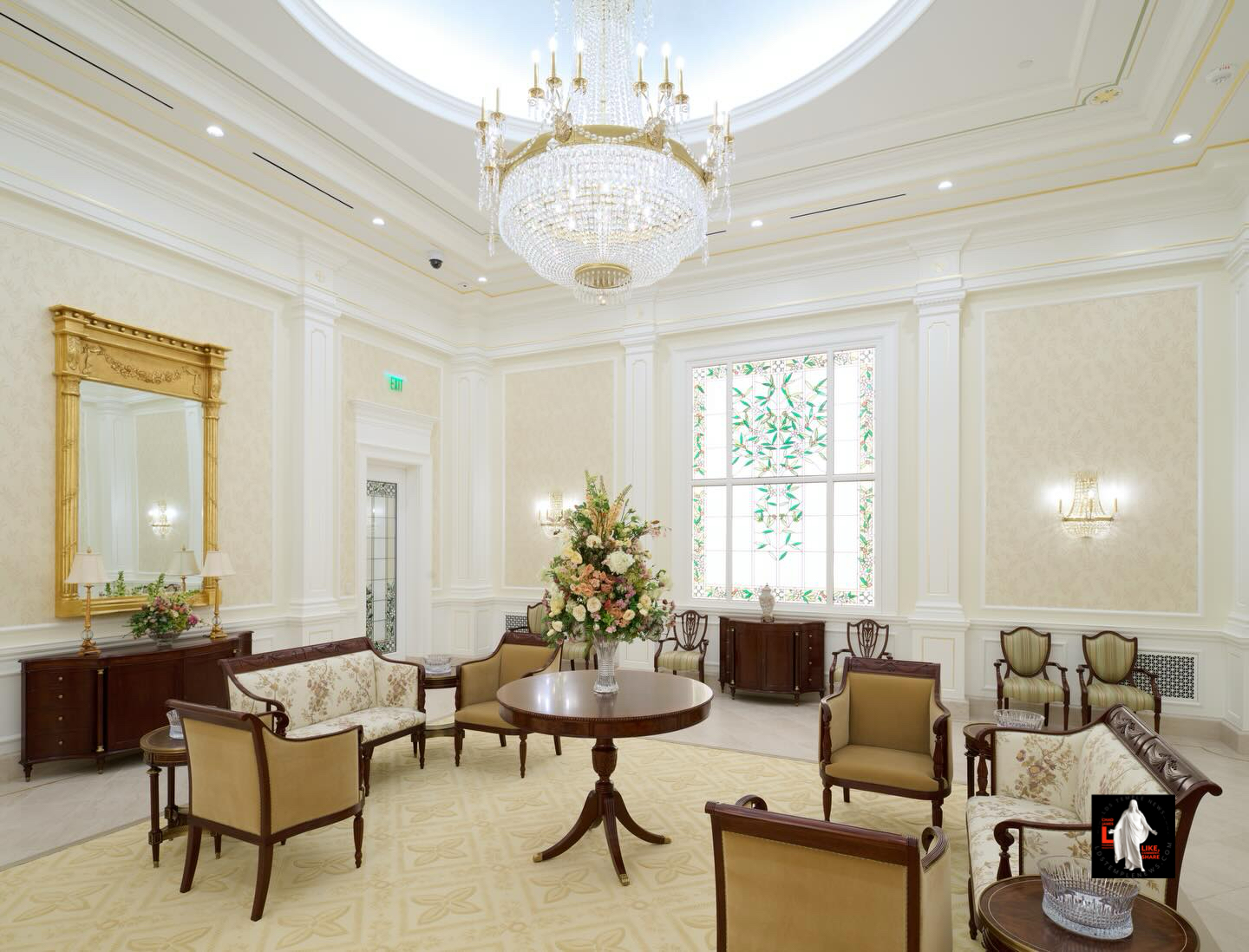
While Celestial Rooms vary slightly from temple to temple, they share common features designed to inspire reverence and peace:
Design Elements
Opulent Furnishings
- Crystal chandeliers casting warm, illuminating light
- Fine carpeting and upholstered seating
- Marble or quality stone fixtures
- Mirrors that create a sense of space and infinity
- Soft, ambient lighting
Architectural Features
- High ceilings that draw the eye and spirit upward
- Elegant columns and moldings
- Windows or artistic depictions of celestial themes
- Clean, orderly arrangements suggesting divine organization
Atmosphere
- Quiet, peaceful environments
- Flowers and plants symbolizing growth and renewal
- Temperature-controlled comfort
- Subtle background music in some temples
Spiritual Purpose
Meditation and Reflection
The Celestial Room serves primarily as a space for personal contemplation. After completing the endowment ceremony, patrons spend time here in quiet reflection, meditation, or prayer. This period allows them to process the spiritual experiences of the preceding rituals.
Spiritual Manifestation
In LDS theology, the Celestial Room is believed to be a place where the Holy Spirit can particularly manifest itself. Members often report experiencing profound spiritual feelings—comfort, peace, insight, or divine guidance—while present in this space.
Community and Connection
While primarily a place of individual reflection, the Celestial Room also facilitates quiet communion with fellow temple-goers. Members may exchange knowing glances or peaceful nods, sharing an understanding of their mutual spiritual commitment.
The Symbolism of Progression
The journey to the Celestial Room carries profound symbolism within LDS doctrine:
Return to God’s Presence
In LDS theology, the temple represents the House of the Lord. Reaching the Celestial Room symbolizes returning to God’s presence—the ultimate goal of the spiritual journey outlined in temple worship.
Preparation for Eternity
For faithful Latter-day Saints, the temple experience prepares them for their perceived destiny in the Celestial Kingdom. The Celestial Room provides a foretaste of this eternal condition.
Covenant Fulfillment
Temple patrons enter covenants (sacred agreements) throughout the endowment ceremony. The Celestial Room represents the culmination and fulfillment of these covenant obligations.
Rules and Protocols
The Celestial Room operates under specific guidelines reflecting its sacred nature:
Dress Code
- White temple clothing is required, maintaining ritual purity and equality among members
- All patrons dress identically, emphasizing that status and class distinctions are irrelevant in God’s sight
Conduct
- Respectful silence and low voices
- Photography is prohibited
- Members remain contemplative rather than conversational
- Time spent is self-determined, though typically 15-30 minutes
Access
- Only temple-recommended members may enter
- Participants must have completed the endowment ceremony that day
- Some temples may limit access during exceptionally busy times
Theological Significance
The Three Kingdoms
In LDS doctrine, heaven has multiple levels:
- Celestial Kingdom – the highest, reserved for those most faithful to temple covenants
- Terrestrial Kingdom – the middle kingdom
- Telestial Kingdom – the lowest but still glorious
The Celestial Room physically represents the highest destination, emphasizing its doctrinal importance.
Temple Worship as Proxy Work
A significant percentage of LDS temple time is spent performing ordinances on behalf of deceased individuals. The Celestial Room represents the spiritual destination these proxy ordinances aim toward.
Personal Experiences and Testimonies
Latter-day Saints frequently describe their time in the Celestial Room in deeply personal terms:
- Spiritual Clarity – Members report receiving answers to prayers or personal dilemmas
- Peace – The overwhelming emotional experience of tranquility and divine presence
- Commitment Renewal – Recommitment to religious covenants made in the temple
- Family Connection – Feelings of connection to deceased ancestors for whom work has been performed
Modern Evolution and Variations
Recent Changes
In 2020, the LDS Church made significant changes to temple worship, allowing women to wear religious headpieces and reducing some ritual elements. These changes may affect how Celestial Rooms are used, though the fundamental purpose remains.
Temple-Specific Differences
While maintaining core elements, individual temples reflect their geographic and architectural contexts. A Celestial Room in the Pacific Northwest may differ aesthetically from one in Salt Lake City, yet serve identical spiritual purposes.
The Celestial Room in LDS Identity
For members of The Church of Jesus Christ of Latter-day Saints, the Celestial Room occupies a sacred place in religious identity:
Ritual Significance
Temple work and the Celestial Room experience form central practices in LDS spirituality, distinguishing it from many other Christian denominations.
Social Bonding
The shared experience of temple worship, culminating in the Celestial Room, creates strong bonds among Latter-day Saints, affirming group identity and commitment.
Spiritual Aspiration
The vision of eventually residing in the Celestial Kingdom (represented by the room) serves as a powerful motivator for adherence to religious practices and moral standards.
Conclusion
The Celestial Room represents far more than an ornate waiting area in an LDS temple. It embodies core theological concepts, provides a space for profound spiritual experience, and symbolizes the ultimate aspirations of Latter-day Saint doctrine. Through architectural beauty, careful protocol, and intentional design, the Celestial Room creates a space where members believe they can touch the divine and prepare for their eternal destiny.
Whether viewed through theological, architectural, or sociological lenses, the Celestial Room stands as a testament to the centrality of temple worship in The Church of Jesus Christ of Latter-day Saints and the spiritual longings it addresses in the lives of its members.
Note: This article represents factual information about LDS temples and practices. Visitors interested in experiencing a Celestial Room firsthand must obtain a temple recommend from LDS Church leaders, demonstrating temple-worthiness according to church standards.