
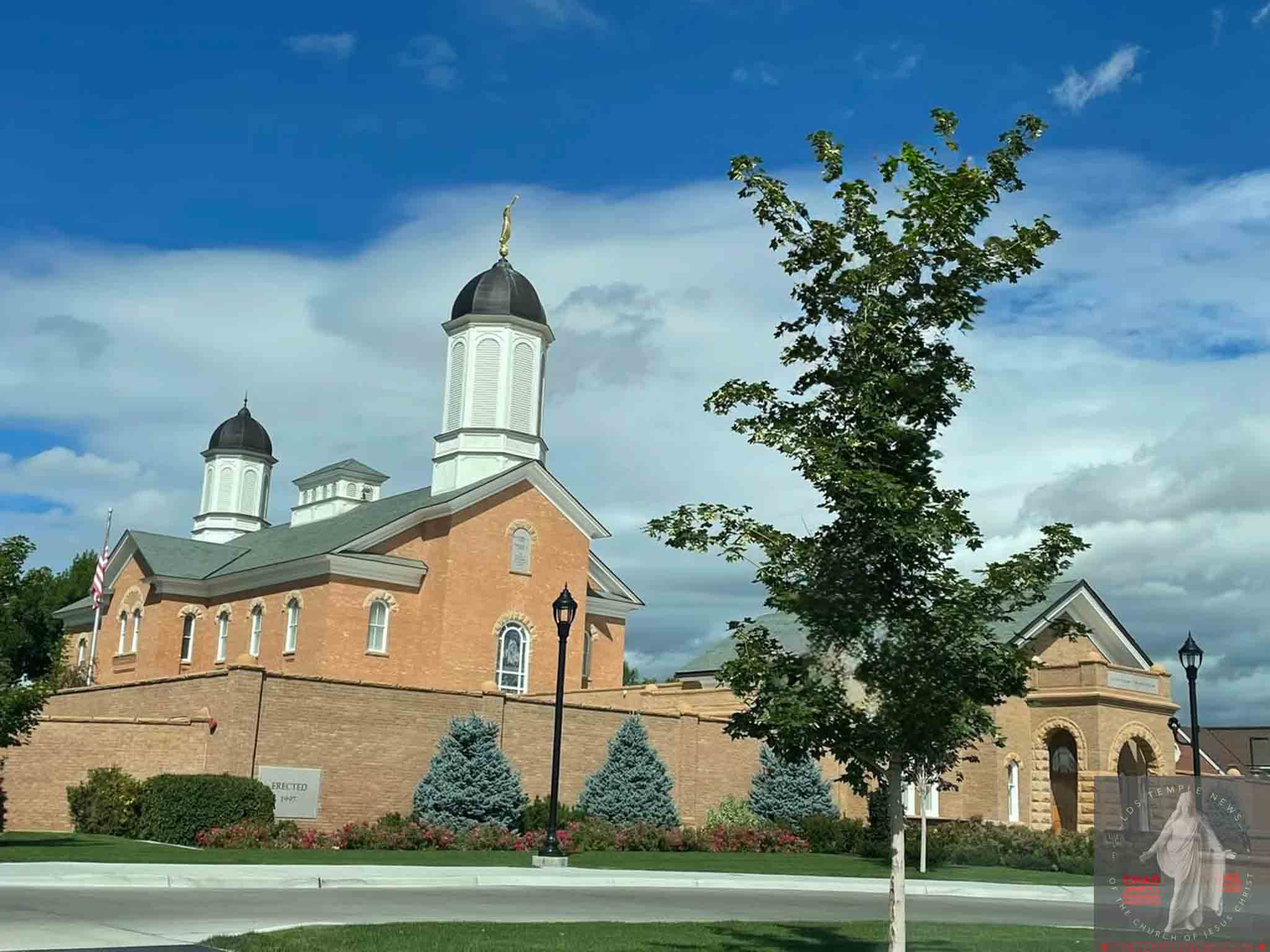
Discovering the Vernal Utah Temple
The Vernal Utah Temple, the 51st dedicated Temple in operation, stands as a significant achievement in the spiritual landscape of Utah. Nestled at 420 W 200 S, Vernal, Utah 84078, this site encapsulates a rich history and craftsmanship that attracts attention from near and far.
Historical Overview of the Vernal Utah Temple
Announced on February 13, 1994, the Vernal Utah Temple saw its groundbreaking and site dedication on May 13, 1995, led by the esteemed Prophet Gordon B. Hinckley. The long-awaited public open house took place from October 11 to October 25, 1997, attracting an impressive 18,000 attendees.
The dedication of the Temple took place from November 2 through November 4, 1997, again under the direction of Prophet Gordon B. Hinckley. This marked a momentous occasion for the area, especially given that it was the first Temple built in Vernal, Utah, and the tenth Temple constructed in the state.
Architectural Features
The Vernal Utah Temple is constructed on 1.6 acres and spans 38,771 square feet, reaching a height of 98 feet. Visitors are often captivated by its two attached end towers, topped with a gold-leafed Angel Moroni Statue. The design brilliantly integrates two instruction rooms, three sealing rooms, and a baptistry, providing necessary facilities for various needs.
A Unique Historical Context Vernal Utah Temple
Remarkably, the Vernal Utah Temple is the first Temple built from an existing building—the Uintah Stake Tabernacle. After falling into disrepair, the tabernacle had not hosted a stake conference since 1983. The proposal to convert it into a Temple first surfaced in 1984, only to be declined by the First Presidency. However, after numerous explorations and the building being briefly put up for sale, the proposal was revisited in 1993 and finally received First Presidency approval.
Another interesting note is that at the dedication of the Uintah Stake Tabernacle on August 24, 1907, President Joseph F. Smith expressed a hopeful sentiment that a Temple might one day be realized in the area, making the Vernal Utah Temple a fulfillment of prophetic words spoken over 90 years earlier.
Scenic Features
Set against the stunning backdrop of the Ashley Valley, the Temple’s captivating architecture is enhanced by colorful flowers and mature trees on its grounds. The domes of the Temple, along with the steeple of the adjacent Vernal Utah Glines Stake Center, are distinctly visible to travelers along Highway 191, making it a notable part of the local landscape.
Time Markers
The Vernal Utah Temple bears inscriptions from both 1907 and 1997, indicating its dual dedication as both a tabernacle and a Temple, serving as a testimony to the transformation of a historic site into a modern expression of faith.
Conclusion
The Vernal Utah Temple stands as a testament to spiritual aspirations, architectural ingenuity, and historical significance. From its inception inspired by prophetic words to its contemporary manifestation, this Temple is sure to continue inspiring and serving those connected to its ethos for years to come.