
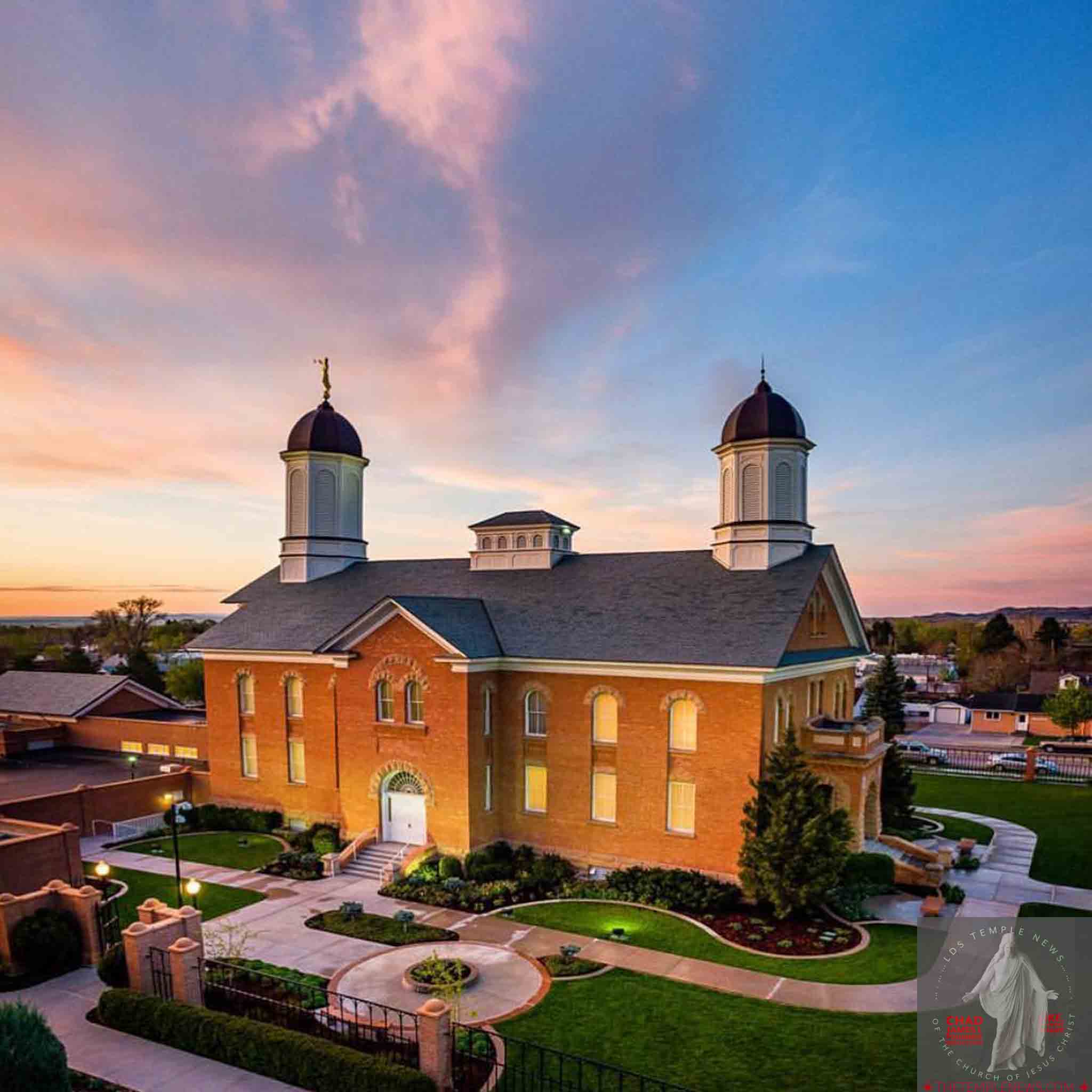
Discovering the Vernal Utah Temple: A Brief Overview
The Vernal Utah Temple holds a special place within the region, representing the 51st dedicated Temple in operation. Its address is 420 W 200 S Vernal, Utah 84078, making it easily accessible to those in the area.
Historic Background of the Vernal Utah Temple
Announced on February 13, 1994, the Vernal Utah Temple saw its groundbreaking and site dedication take place on May 13, 1995, led by the Prophet Gordon B. Hinckley. Following its construction, a public open house allowed for exploration from October 11, 1997, through October 25, 1997, attracting an impressive attendance of 18,000 individuals.
The dedication period spanned from November 2, 1997, to November 4, 1997, also led by Prophet Gordon B. Hinckley. Built on 1.6 acres of land, the overall size of the Temple is 38,771 square feet, with a height of 98 feet and an elevation of 5,358 feet.
Architectural Features
The architectural design of the Vernal Utah Temple is noteworthy, featuring two attached end towers crowned by a gold leafed Angel Moroni statue. Inside, the Temple includes two instruction rooms, three sealing rooms, and one baptistry, enhancing its functionality and overall significance.
A Unique Construction Journey
Constructed within the shell of the pioneer-built Uintah Stake Tabernacle, the Vernal Utah Temple stands out as the first Temple built from an existing building. The Uintah Stake Tabernacle had fallen into disrepair and had not hosted a stake conference since 1983. The initial proposal to convert the tabernacle into a Temple came from leaders of the Vernal Utah Glines Stake in 1984, but this proposal was initially rejected by the First Presidency. After pursuing various alternatives and even considering selling the building, the idea gained renewed interest in 1993. This time, it received approval from the First Presidency.
A Testament to Resilience and Vision
The Vernal Utah Temple, the first of its kind in Vernal, was the tenth Temple built in Utah. During the dedication of the Uintah Stake Tabernacle on August 24, 1907, President Joseph F. Smith remarked about the potential for a Temple to be built in the vicinity, a statement that would resonate many years later.
This historical narrative is highlighted by the labeling of the Temple with the years 1907 and 1997, signifying both its initial dedication as a tabernacle and its later dedication as a Temple. The combination of modern architecture with the heritage of the past adds a rich layer to its significance, creating an inviting atmosphere marked by colorful flowers and mature trees that enhance the visual experience.
The Vernal Utah Temple stands as a beacon of history and dedication within the Ashley Valley landscape, intertwining its unique past with its vibrant presence today.