
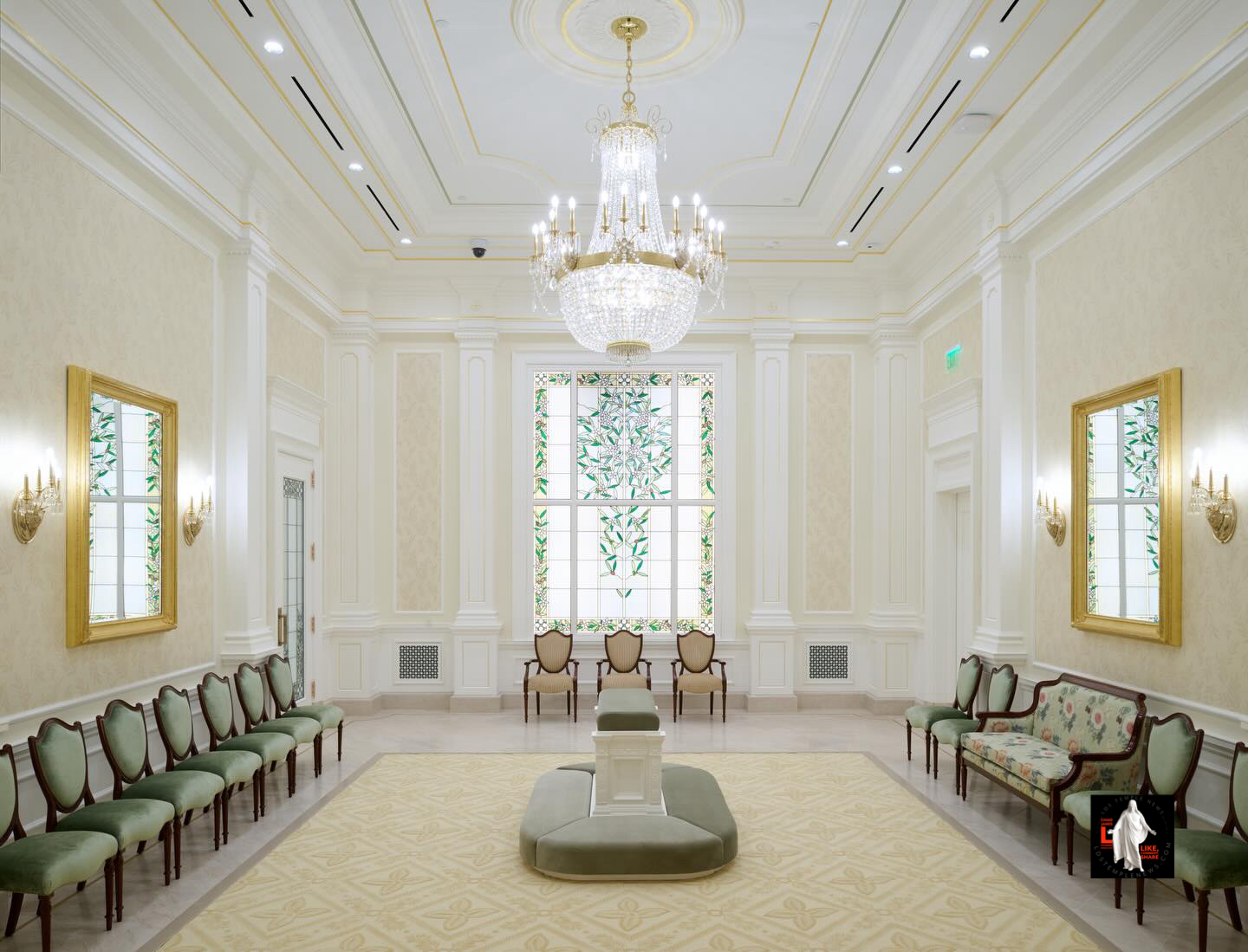
The Celestial Room: Understanding the Temple’s Most Sacred Space
Introduction
The Church of Jesus Christ of Latter-day Saints operates temples throughout the world, and within these sacred buildings exists a room that holds profound spiritual significance for members of the faith. The celestial room, often referred to as the “sealing room” or highest room in temple ordinances, represents the culmination of sacred temple worship. This article explores what this space represents and why it’s considered so important to LDS theology and practice.
What Is the Celestial Room?
The celestial room is a specially designed chamber within LDS temples where members gather after completing temple ordinances. It serves as a quiet, contemplative space that symbolically represents the highest degree of heaven in LDS theology—the celestial kingdom.
The room is typically characterized by:
- Elegant, peaceful décor featuring fine furnishings and soft lighting
- Quiet, reverent atmosphere maintained by temple patrons
- Comfortable seating arranged
- Beautiful architectural details meant to inspire spiritual reflection
The Symbolic Meaning
In Latter-day Saint doctrine, the celestial kingdom represents the highest degree of glory in the afterlife. The celestial room’s design and purpose are meant to give members a tangible sense of what that eternal glory might feel like.
Members who have completed their temple ordinances spend time in this room in a state of spiritual contemplation. For many, it represents a sacred pause—a moment to absorb the spiritual experiences they’ve just encountered and to reflect on the covenants they’ve made.
What Happens There
Prayer and Meditation
The primary activity in the celestial room is personal prayer.
Covenant Reflection
Those present often reflect on the covenants—sacred promises—they’ve made during their temple experience. These covenants are central to LDS belief and practice, representing commitments made before God.
Family Bonding
Families often attend the temple together, and the celestial room provides a space for shared spiritual experience. Extended family members may pray together, making it a meaningful communal moment.
Personal Spiritual Experiences
Many members report profound personal spiritual experiences in the celestial room—moments of clarity, peace, or divine confirmation of their faith. These experiences are considered deeply personal and sacred.
Access and Who Can Enter
The celestial room is only accessible to members of the LDS Church who:
- Hold a current temple recommend (a formal endorsement from church leaders)
- Have completed their own temple endowment ceremony
- Are in good standing with church standards
This restricted access underscores the sacred nature of the space and the ordinances performed in temples.
Architectural Considerations
Temple architects carefully design celestial rooms to create an atmosphere conducive to spiritual reflection. Elements typically include:
- Natural light where possible, often filtered through carefully placed windows
- Quality furnishings that suggest the glory and beauty of heaven
- Peaceful color palettes using whites, golds, and soft earth tones
- Acoustical design that maintains quietness despite multiple people present
- Comfortable temperature control
The Role in Temple Work
The celestial room represents the final stage of the temple endowment ceremony, the most sacred ordinance in LDS temples. The journey through the temple—passing through various rooms, each with specific religious significance—culminates in this space.
In LDS theology, this progression mirrors the spiritual journey toward God and represents the path back to the divine presence. The celestial room isn’t the end of that journey in an ultimate sense, but rather a foretaste or symbol of what members believe awaits the faithful.
Frequently Asked Questions
How long do members typically stay in the celestial room?
There’s no set time limit. Members remain as long as they feel necessary for their prayers and reflection, typically ranging from 10 to 30 minutes.
Can non-members visit the celestial room?
No. Temple ordinances, including access to the celestial room, are reserved for members in good standing. However, temples occasionally hold open houses before dedication where the public can tour the building.
Are there specific prayers required in the celestial room?
No specific prayers are mandated. The experience is personal and tailored to each individual’s or family’s spiritual needs.
Is the celestial room the same in all temples?
While the basic purpose and spiritual meaning are universal, the specific design and décor vary by temple location and architectural choices.
Spiritual Significance
For members of the LDS Church, the celestial room experience represents more than architectural beauty or a quiet space. It embodies core beliefs about:
- The nature of heaven and divine glory
- The importance of covenants in spiritual life
- The possibility of personal revelation and spiritual confirmation
- The role of temples in drawing individuals closer to God